Fenbendazole Dosage Calculator: How to Determine Your Correct Dose
SafeRxPills Pharmacy Team
Editorial team at SafeRxPills. Articles are written and checked against regulatory drug labelling (DailyMed, FDA, EMA) and published literature.
Fenbendazole Dosage Calculator: How to Determine Your Correct Dose | SafeRxPills - pharmacy guide
Fenbendazole Dosage Calculator: How to Determine Your Correct Dose
A fenbendazole dosage calculator helps you determine the correct amount based on your body weight and chosen protocol. The most common human dosing formula is 1 mg per pound of body weight daily, which equals approximately 2.2 mg per kilogram. For a 150-pound person, this translates to 150 mg daily, though protocols vary from 150-300 mg depending on the specific regimen being followed.
The calculation itself is straightforward, but choosing the right protocol and understanding how to time your doses requires more nuance. Unlike traditional antiparasitic dosing where you treat an active infection and stop, many people use fenbendazole on extended schedules that involve cycling patterns.
How to Calculate Your Fenbendazole Dose
Start with your body weight in pounds. The standard calculation uses 1 mg of fenbendazole per pound of body weight as the baseline dose. Someone weighing 180 pounds would calculate 180 mg as their base daily dose.
If you prefer metric, convert your weight to kilograms (divide pounds by 2.2) and multiply by 2.2 mg per kilogram. A 70 kg person would need approximately 154 mg daily using this method.
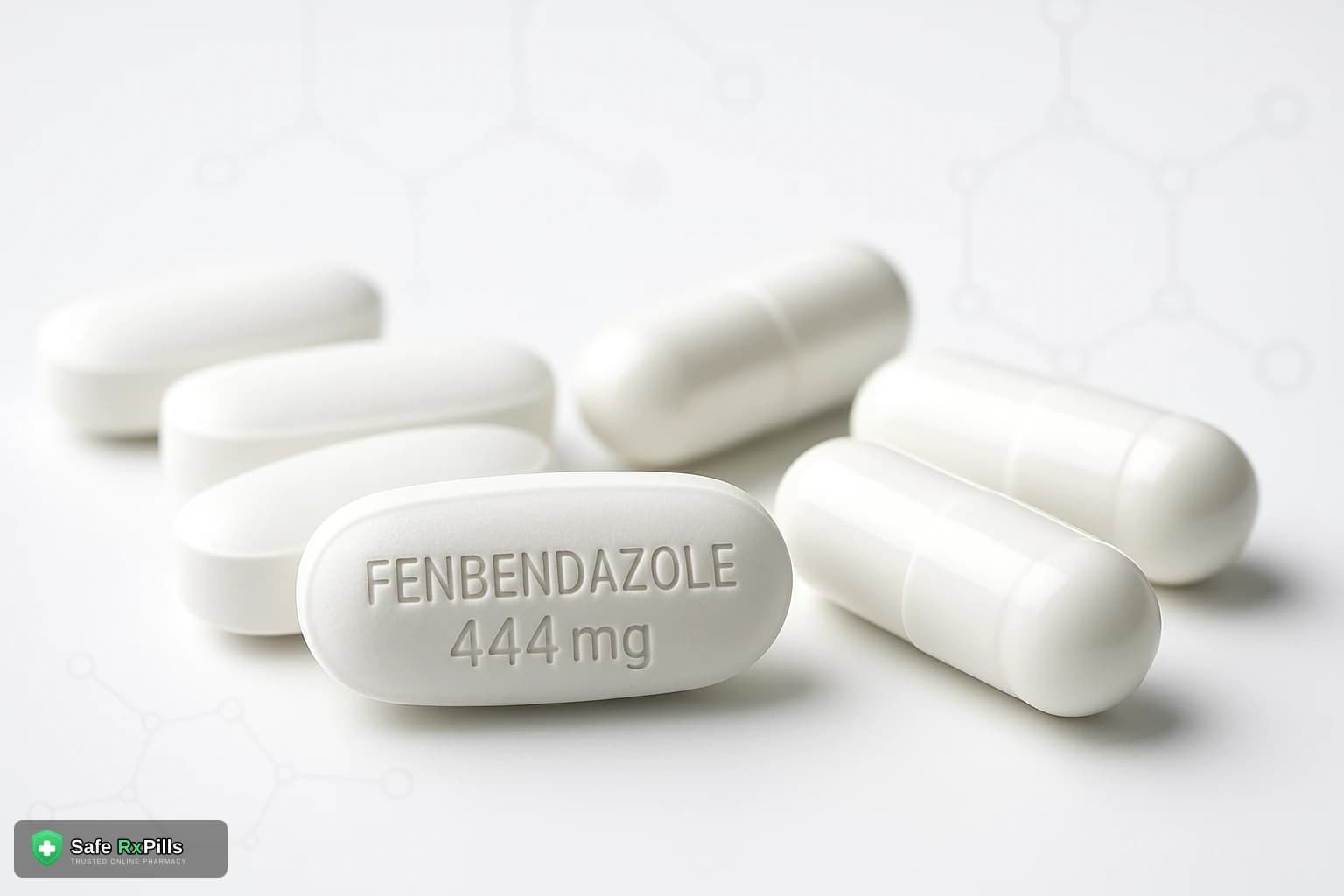
Most people round to the nearest available capsule strength. Fenbendazole 444mg capsules are one of the most common strengths available, representing a full gram packet divided into standard dosing. With 444 mg capsules, many people take one capsule daily regardless of exact weight, as this falls within the 150-300 mg range used in various protocols.
The 222 mg strength (half of 444 mg) suits lighter individuals or those starting with conservative dosing. Some protocols use higher doses up to 1000 mg daily for specific durations, though these should only be followed under professional guidance.
Common Fenbendazole Dosing Protocols
Three main protocols dominate current use. The first is continuous daily dosing at 150-222 mg per day without breaks. Users following this pattern typically take one 222 mg dose or a smaller measured amount from a 444 mg capsule.
The second common approach uses 222-300 mg daily for three consecutive days, followed by four days off. This creates a weekly cycle where you dose Monday through Wednesday, then resume the following Monday. The theory behind this pattern involves giving the body recovery time while maintaining consistent exposure.
The third protocol employs higher intensity cycles: 444-1000 mg daily for three to five consecutive days, followed by 10-14 days off before repeating. This aggressive approach mirrors some veterinary deworming schedules adapted for different purposes.
Your choice of protocol depends on your specific situation and tolerance. Many people start with the gentlest option (continuous low-dose) and adjust based on how they respond. Similar to how we approach ED medicine dosing, individual response varies significantly.
Daily Schedule and Timing Considerations
Fenbendazole absorption improves when taken with food, particularly meals containing some fat. Most users take their daily dose with breakfast or dinner to maximize bioavailability. The medication reaches peak blood levels approximately 4-6 hours after ingestion.
Timing consistency matters more than the specific hour you choose. Taking fenbendazole at roughly the same time each day maintains steadier blood levels. If you're on a three-days-on, four-days-off schedule, many people prefer starting their cycle on the same weekday to simplify tracking.
You can split larger doses if needed. Someone taking 444 mg daily could divide this into 222 mg twice daily, though most find once-daily dosing more convenient. There's no evidence that splitting provides superior results.
Avoid taking fenbendazole on a completely empty stomach if you experience nausea. While not strictly required with food like some medications, the presence of dietary fat helps with absorption and reduces the chance of mild gastric discomfort.
Fenbendazole Dosage Chart by Weight
Here's a practical reference chart using the 1 mg per pound guideline:
Body Weight → Calculated Dose → Practical Dose with 444mg Capsules
- 100 lbs → 100 mg → 1/4 capsule or one 222mg capsule every other day
- 125 lbs → 125 mg → 1/3 capsule or 222mg daily
- 150 lbs → 150 mg → 1/3 capsule or 222mg daily
- 175 lbs → 175 mg → 1/2 capsule or one 222mg capsule daily
- 200 lbs → 200 mg → 1/2 capsule or one 222mg capsule daily
- 225 lbs → 225 mg → 1/2 capsule or one 444mg capsule every other day
- 250 lbs → 250 mg → just over 1/2 capsule, round to 222mg or 444mg depending on protocol
These calculations assume standard protocols in the 150-300 mg daily range. Higher-dose protocols (444-1000 mg) don't scale linearly with weight. Instead, they use fixed amounts regardless of body size, similar to how many pharmaceutical drugs work above certain weight thresholds.
For children or individuals under 100 pounds, dosing becomes more conservative and should involve medical supervision. The safety profile in smaller individuals hasn't been as extensively documented as in average-weight adults.
Converting Between Different Strengths
Fenbendazole comes in several strengths: 222 mg (common in single-dose packets), 444 mg (double packets), and bulk powder that you measure yourself. Converting between these forms requires basic math but can confuse people initially.
One 444 mg capsule equals two 222 mg capsules. If your protocol calls for 222 mg daily but you only have 444 mg capsules, you can take one capsule every other day to average 222 mg daily, or carefully open capsules and measure half portions.
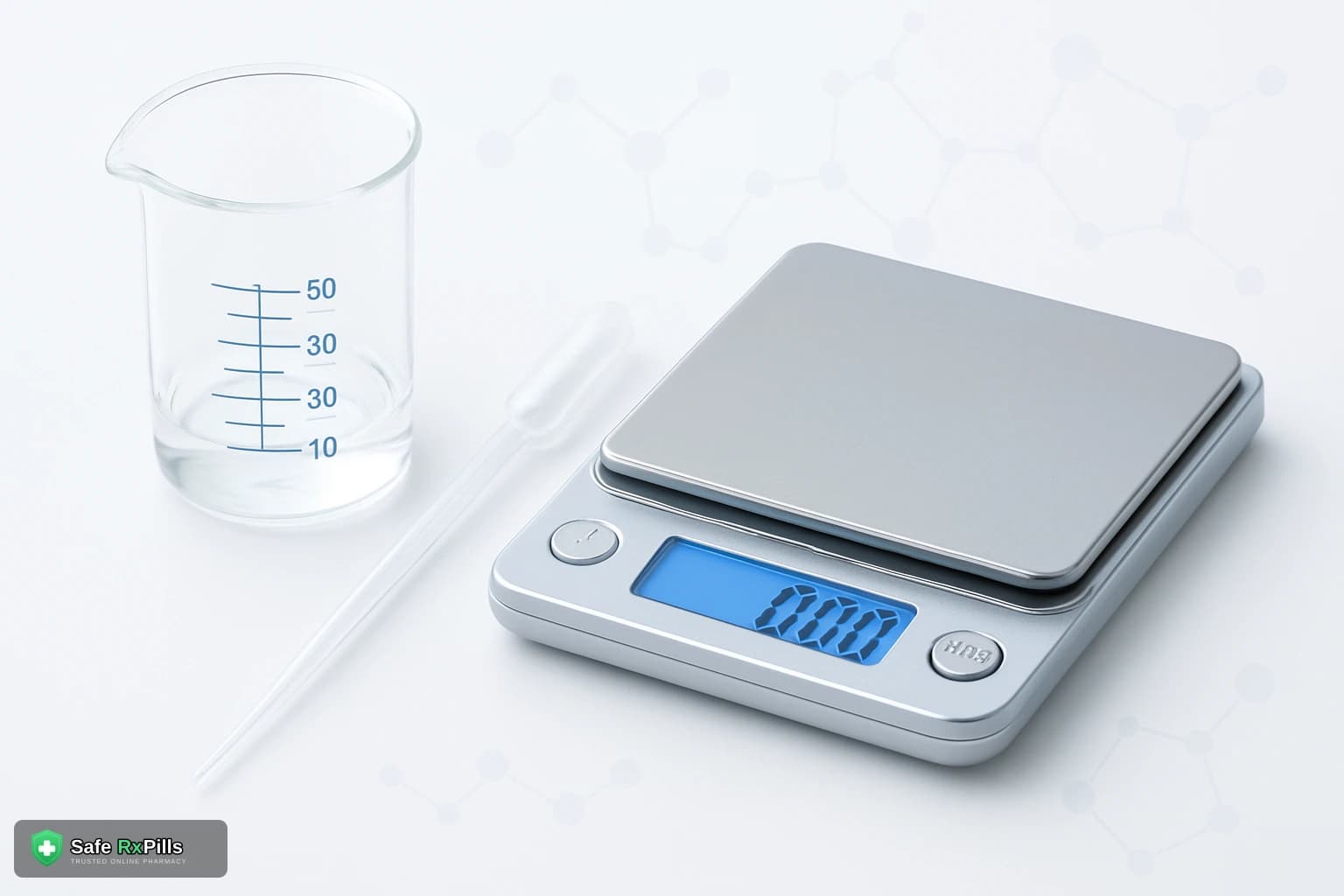
Many users invest in a milligram scale (accurate to 0.01g) if they're working with bulk powder or want to measure precise partial doses from capsules. A scale that reads to 100 mg accuracy costs under $20 and removes guesswork.
The Wormiza 500mg formulation provides another option, though less common for human use protocols. Someone wanting 250 mg daily could take half of a 500 mg dose, which might be easier to measure than portions of 444 mg capsules.
When opening capsules to measure partial doses, store the remaining powder in a sealed container away from moisture. Fenbendazole powder remains stable at room temperature but degrades in humid conditions.
Ordering and Using Fenbendazole in the USA
In the United States, fenbendazole is not FDA-approved for human use and is only officially approved as a veterinary antiparasitic. This creates a unique situation where the compound is legal to purchase but is marketed for animal use. Many Americans obtain fenbendazole through veterinary suppliers or specialized online pharmacies.
SafeRxPills ships pharmaceutical-grade fenbendazole to USA addresses, typically with delivery times of 10-14 business days for standard shipping. The medication arrives in sealed packaging with clear labeling of strength and quantity.
Prices in the US market vary significantly. A month's supply at 222 mg daily (approximately 6600 mg total) costs between $30-$60 depending on source and quantity purchased. Buying in larger quantities reduces per-dose cost. For detailed information about US-specific suppliers and regulations, see our guide on buying fenbendazole in the USA.
No prescription is required to purchase fenbendazole in the US through most channels, though this may change as usage patterns evolve. Some healthcare providers are becoming more familiar with fenbendazole use and may provide monitoring even if they don't formally prescribe it.
US users should verify that any fenbendazole they purchase lists the actual milligram content clearly. Some veterinary products list percentage concentration rather than total milligrams, which complicates dosing calculations. Pharmaceutical-grade products intended for human use always specify exact milligrams per dose.
Factors That Affect Your Dosage
Several factors influence whether you should adjust from standard calculated doses. Liver function tops this list. Fenbendazole undergoes hepatic metabolism, meaning people with compromised liver function may need reduced doses or extended time between cycles. If you have any liver condition history, start at the lower end of dosing ranges.
Kidney function matters less than liver function, but people with significant renal impairment might experience altered drug clearance. Standard doses appear safe in mild kidney dysfunction, but severe impairment warrants dose reduction.
Medication interactions can affect fenbendazole metabolism. CYP450 enzyme inducers (like rifampin or certain seizure medications) may reduce fenbendazole blood levels, potentially requiring higher doses. CYP450 inhibitors (like ketoconazole or grapefruit juice) can increase levels, suggesting lower doses.
Age influences drug metabolism, though the effect on fenbendazole specifically hasn't been extensively studied. Elderly users often start with conservative doses (150-222 mg) rather than higher protocols. There's no specific pediatric dosing guidance, as use in children remains uncommon and should involve medical oversight.
Gastrointestinal conditions affect absorption. People with inflammatory bowel disease, chronic diarrhea, or malabsorption syndromes may not absorb fenbendazole as efficiently as those with healthy gut function. Some users in this category find that taking doses with extra fat (like a tablespoon of olive oil) improves absorption.
What to Monitor While Taking Fenbendazole
Regular monitoring helps help safe usage, particularly on extended protocols. Basic bloodwork every 8-12 weeks provides useful baseline data. This should include a complete blood count (CBC) and complete metabolic panel (CMP) that covers liver enzymes and kidney function.
Medical References
Sources: U.S. National Library of Medicine (DailyMed, PubMed), openFDA
Liver enzymes (ALT, AST) deserve specific attention. Mild elevations occasionally occur with fenbendazole use, typically resolving when you reduce dose or take a break. If ALT or AST rise above twice the upper normal limit, consider pausing fenbendazole and consulting a healthcare provider.
White blood cell counts sometimes decrease slightly on fenbendazole, though usually remain within normal range. Significant drops in WBC, particularly neutrophils, warrant stopping the medication and medical evaluation.
Physical symptoms to note include digestive changes (diarrhea, nausea, or abdominal pain), unusual fatigue, yellowing of skin or eyes (jaundice), or dark urine. These could indicate liver stress and require immediate medical attention.
Many people track subjective effects in a journal: energy levels, sleep quality, digestive comfort, and any other changes they notice. This creates a personal baseline that helps identify patterns or problems early.
If you're taking other medications regularly, similar to monitoring approaches for medications like metronidazole or ivermectin, maintaining awareness of potential interactions helps prevent complications.
This information is for educational purposes only and does not constitute medical advice. Consult with a qualified healthcare professional before starting any new medication or supplement regimen, especially if you have existing health conditions or take other medications.
Related Products
- Wormiza 444mg (Fenbendazole) - most popular fenbendazole dose for human protocols
- Wormentel 888mg (Fenbendazole) - higher dose fenbendazole tablets
- Wormiza 1000mg (Fenbendazole) - 1000mg fenbendazole for advanced protocols
?Frequently Asked Questions
Can I take fenbendazole every day without breaks?
Yes, many people use continuous daily dosing at 150-222 mg without scheduled breaks. However, this approach requires regular blood work monitoring (every 8-12 weeks) to check liver enzymes and blood counts. Some protocols recommend taking occasional weeks off even with low-dose continuous use, though there's no established standard. If you develop any symptoms or see concerning lab changes, take a break and consult a healthcare provider.
What happens if I miss a dose on my protocol?
Missing a single dose isn't critical. On continuous protocols, just take your next scheduled dose without doubling up. On cycling protocols (like three days on, four days off), you can either extend that cycle by one day or skip the missed dose and continue your normal schedule. Fenbendazole has a half-life of approximately 10-15 hours, so missing one day doesn't eliminate it from your system completely.
Should I adjust my dose based on how I feel?
Starting conservatively makes sense, but avoid constantly changing doses based on minor day-to-day variations in how you feel. Give any dosing level at least 2-3 weeks before adjusting. If you experience clear negative effects (persistent nausea, fatigue, digestive upset), reduce your dose or take a break. If you feel completely normal and want to increase dose, do so gradually, adding no more than 50-100 mg at a time while monitoring your response.
Is higher dose always more effective?
Not necessarily. Fenbendazole's effectiveness depends on maintaining consistent blood levels over time more than peak dose intensity. A 222 mg daily dose taken consistently may work better than sporadic 1000 mg doses with long breaks. Higher doses do increase the risk of side effects, particularly liver enzyme elevation. Unless you have specific reasons to use higher doses, standard protocols (150-300 mg daily or equivalent cycling patterns) work well for most purposes.
Can I combine fenbendazole with other supplements or medications?
Fenbendazole can generally be combined with most common supplements and medications, but several warrant caution. Avoid combining with other drugs that stress the liver (like high-dose acetaminophen or certain antibiotics) without medical guidance. Some people combine fenbendazole with supplements like vitamin E, curcumin, or CBD oil, though these combinations haven't been formally studied. If you take prescription medications regularly, discuss potential interactions with your pharmacist or doctor, as fenbendazole affects certain drug-metabolizing enzymes.
SafeRxPills Pharmacy Team
SafeRxPills Editorial Team
Editorial team at SafeRxPills. Articles are written and checked against regulatory drug labelling (DailyMed, FDA, EMA) and published literature.
Comments (0)
Leave a Comment
No comments yet. Be the first to share your thoughts!
Related Articles