Fenbendazole vs Mebendazole: Which Antiparasitic Should You Use?
SafeRxPills Pharmacy Team
Editorial team at SafeRxPills. Articles are written and checked against regulatory drug labelling (DailyMed, FDA, EMA) and published literature.
Fenbendazole vs Mebendazole: Which Antiparasitic Should You Use? | SafeRxPills - pharmacy guide
Fenbendazole vs Mebendazole: Which Antiparasitic Should You Use?
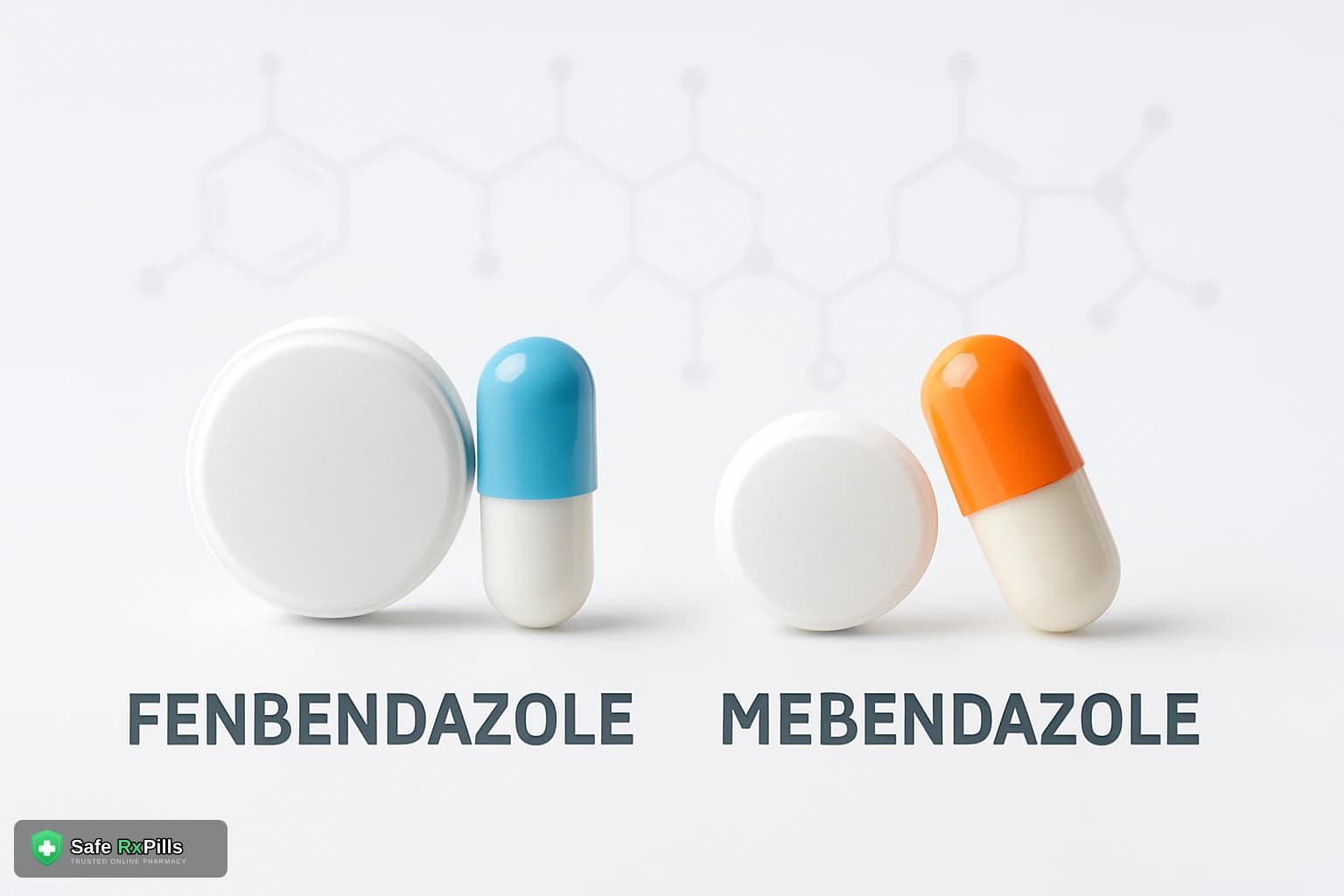
Fenbendazole and mebendazole are both benzimidazole antiparasitic drugs that work by disrupting worm cell structure, but they differ significantly in regulatory status, approved uses, and how people in the USA can access them. Mebendazole is FDA-approved for human use and prescribed for specific intestinal worm infections, while fenbendazole is primarily marketed as a veterinary drug in the US yet is widely used off-label by humans. Understanding those differences is what determines which one makes sense for your specific situation.
What Are These Two Drugs?
Both fenbendazole and mebendazole belong to the benzimidazole class of anthelmintics, meaning they share a common chemical backbone and a broadly similar way of attacking parasitic worms. Despite that shared ancestry, their clinical histories are quite different.
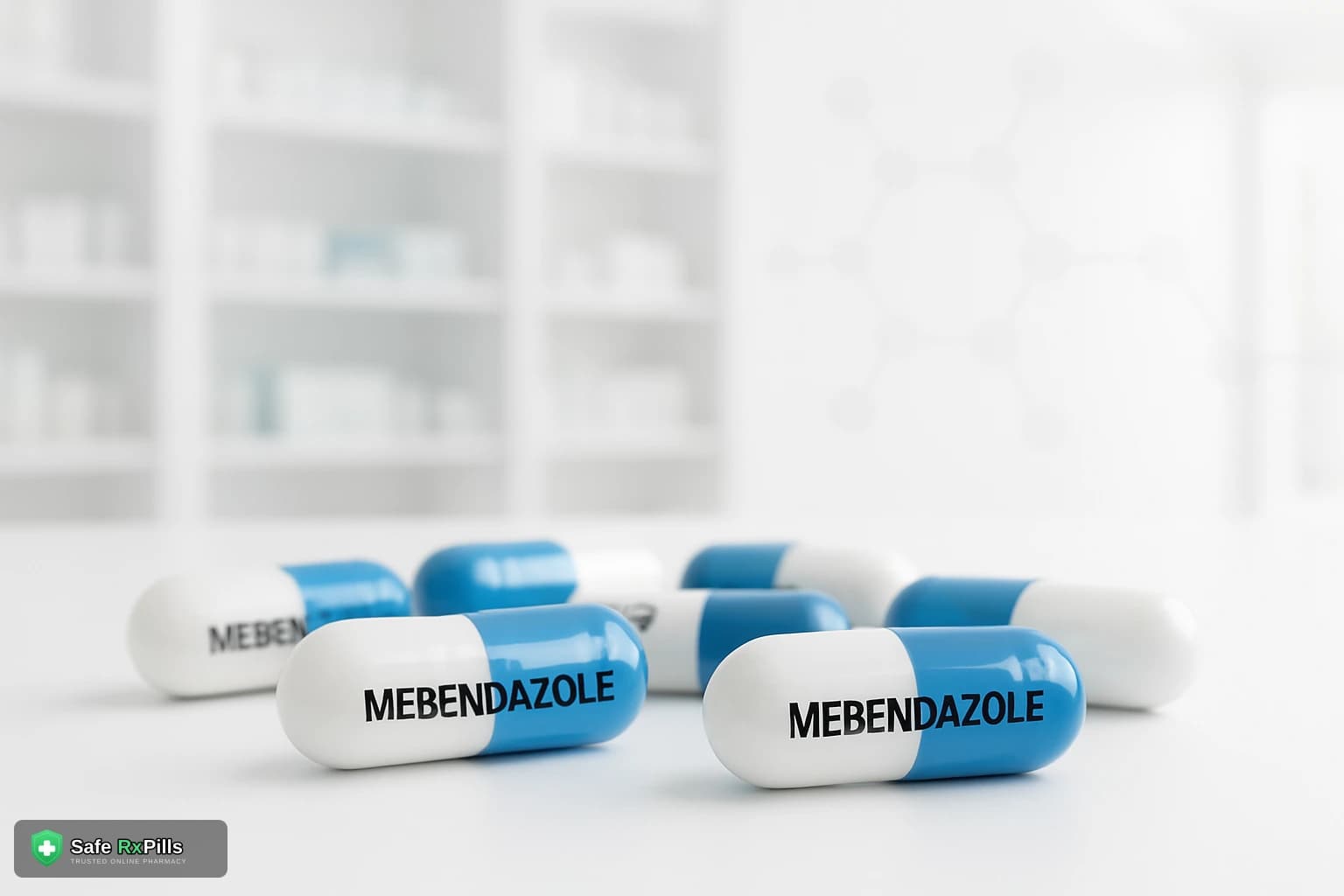
Mebendazole has been used in human medicine since the 1970s. It is sold under brand names like Vermox and has a well-established FDA label with specific indications, approved dosages, and extensive safety data from clinical trials involving over 6,000 subjects. You can get it through a US prescription or, in some formulations, over the counter.
Fenbendazole was developed around the same period but took a different path. It became a standard veterinary dewormer used in dogs, cats, horses, and livestock. In the USA, it has no FDA approval for human use, and its product label carries the standard disclaimer: these statements have not been evaluated by the Food and Drug Administration, and this product is not intended to diagnose, treat, cure, or prevent any diseases. That said, interest in human use has grown substantially, driven largely by anecdotal reports and off-label experimentation.
How Each Drug Kills Parasites
The mechanism is closely related between the two drugs. According to the DailyMed label, mebendazole is a benzimidazole anthelmintic that works by binding to tubulin, a structural protein that parasitic worms need to form their cellular skeleton. Without functional tubulin, worms cannot absorb glucose, their cells deteriorate, and they die over a period of days rather than immediately.
Fenbendazole works by the same general mechanism, binding to beta-tubulin in parasite cells and interfering with microtubule formation. This similarity is exactly why researchers and clinicians who study benzimidazoles consider fenbendazole a plausible human antiparasitic despite the lack of FDA approval for that purpose.
The key pharmacokinetic difference is absorption. According to DailyMed, the majority of a mebendazole dose stays in the gastrointestinal tract where it acts locally, which is one reason it works well against intestinal worms. Taking mebendazole with a high-fat meal significantly increases its plasma absorption, raising peak blood concentration from around 14 ng/mL fasted to 56 ng/mL fed. Fenbendazole, similarly, is typically recommended to be taken with food to improve bioavailability. The plasma protein binding for mebendazole is 90 to 95%, and its half-life ranges from 3 to 6 hours in most patients.
FDA Approval Status in the USA
This is the single most important practical difference for US residents.
Mebendazole is FDA-approved. The Vermox chewable 500 mg tablet is specifically indicated for patients one year of age and older with gastrointestinal infections caused by Ascaris lumbricoides (roundworm) and Trichuris trichiura (whipworm), according to the DailyMed prescribing information. That means US doctors can prescribe it, insurance may cover it, and pharmacies stock it.
Fenbendazole has no FDA approval for human use. The label explicitly states it has not been evaluated by the FDA for human indications. Anyone using it in the USA for themselves is doing so off-label, without the backing of a formal clinical approval process. That does not make it dangerous by definition, but it does mean dosing guidance, human pharmacokinetic data, and long-term safety profiles are far less established in the regulatory sense.
The off-label use of fenbendazole in humans has generated enough FDA Adverse Event Reporting System reports to be tracked. The most commonly reported adverse events in FAERS data include fatigue (16 reports), diarrhea (13 reports), asthenia (8 reports), headache (8 reports), and nausea (7 reports). These are voluntary reports, so they do not reflect true population-level incidence rates, but they give a real-world picture of what some users experience.
Which Parasites Does Each One Treat?
Mebendazole's FDA-approved indications are specific: roundworm (Ascaris lumbricoides) and whipworm (Trichuris trichiura). In clinical practice, physicians also use it for pinworms (Enterobius vermicularis), hookworm, and mixed infections, which falls under accepted off-label prescribing within the approved drug framework.
Fenbendazole in veterinary medicine covers a broad spectrum: roundworms, hookworms, whipworms, tapeworms, and certain lungworms depending on the species being treated. Human users applying it off-label often extrapolate from veterinary data for similar parasite types, though direct human clinical trial evidence for each indication is not available.
One area where fenbendazole has attracted significant non-parasitic interest is oncology. Some researchers and patients have explored it in that context, though this remains experimental and is well outside any regulatory approval. If you are interested in that angle specifically, the fenbendazole protocol dosing guide covers the off-label schedules people follow in more detail.
For straightforward intestinal worm infections with a confirmed diagnosis, mebendazole has the stronger evidence base. You can read a side-by-side breakdown of similar agents in the ivermectin vs mebendazole comparison if your infection type might respond to a different class of antiparasitic.
Dosing: How Much Do You Take?
Mebendazole dosing is well-defined by the FDA label. For roundworm and whipworm, the standard dose is 500 mg as a single dose for the chewable tablet formulation. The tablet can be chewed, swallowed whole, or crushed and mixed with food. For pinworm infections, a single 100 mg dose is typically used, with a repeat dose after two weeks. Children aged one year and older can be treated, though pharmacokinetic data shows children aged one to three years have higher systemic exposure than adults, so clinical supervision matters in that age group.
Fenbendazole human dosing is not FDA-standardized. Most off-label human protocols are based on extrapolation from veterinary dosing and anecdotal community data. Common informal protocols use 222 mg to 444 mg per day on cycling schedules, such as three days on, four days off. For a detailed breakdown of how weight and protocol affect dosing, the fenbendazole dosage by weight chart is a useful reference.
SafeRxPills carries fenbendazole 444 mg capsules for those following established off-label human protocols. The 444 mg dose is one of the most commonly referenced in human use literature, derived from veterinary formulations scaled for human body weight.
If you want a combination approach, Wormentel Duo 156 mg is also available, which pairs two antiparasitic agents for broader coverage.
Side Effects You Should Know About
Mebendazole's side effect profile is well-documented from 39 clinical trials covering 6,276 subjects, according to DailyMed. The most common reactions are gastrointestinal: anorexia, abdominal pain, diarrhea, flatulence, nausea, vomiting, and rash. These are generally mild and self-limiting at standard doses.
At substantially higher doses or with prolonged use, the picture changes. Mebendazole overdose data from DailyMed flags alopecia, reversible transaminase elevations, hepatitis, agranulocytosis, neutropenia, and glomerulonephritis as serious risks. There is no specific antidote for mebendazole overdose. Rare postmarketing reports have included Stevens-Johnson syndrome, toxic epidermal necrolysis, and anaphylactic reactions, so anyone with a prior hypersensitivity reaction to benzimidazoles should avoid it.
One drug interaction to know: mebendazole should not be combined with metronidazole, according to the DailyMed label. If you are taking or have recently taken metronidazole, flag that with your prescriber before starting mebendazole.
Fenbendazole's human side effect data comes primarily from FDA FAERS voluntary reports rather than structured clinical trials. The most reported events are fatigue (16 reports), diarrhea (13 reports), weakness (8 reports), headache (8 reports), shortness of breath (7 reports), hot flushes (7 reports), and nausea (7 reports). These numbers are low in absolute terms, which reflects both the relatively small population reporting to FAERS and the voluntary nature of the system. They do not prove fenbendazole causes these effects at any given rate, but they are worth knowing before you start.
Both drugs should be used cautiously if you have liver disease, given the hepatic metabolism involved. Pregnant women should avoid both without explicit medical guidance.
Buying Fenbendazole or Mebendazole in the USA
Mebendazole requires a prescription from a US licensed physician for most formulations. You can get it through a standard pharmacy visit or via telehealth platforms that prescribe antiparasitics. Generic versions are available and are typically more affordable than branded Vermox, though pricing varies widely depending on your insurance coverage and pharmacy.
Fenbendazole is a different situation. Because it is sold as a veterinary product in the US without a human drug approval, you do not need a prescription to purchase it. It is sold in pet supply stores and online in its animal-labeled form. Human-grade formulated fenbendazole capsules at standardized doses, like the 444 mg capsules available at SafeRxPills, are ordered online and shipped directly to your door.
SafeRxPills ships to the USA with standard delivery timelines. If you are in the US and want to understand the sourcing options more clearly, the guide on buying fenbendazole in the USA covers trusted sources, what to look for in product quality, and what to avoid.
When ordering any antiparasitic online, check that the pharmacy is licensed, lists ingredients transparently, and provides real contact information. SafeRxPills operates as a licensed online pharmacy with verifiable shipping to US addresses.
Which One Should You Choose?
The answer depends on what you are treating and why.
If you have a confirmed intestinal worm infection, particularly roundworm or whipworm, mebendazole is the clinically validated choice with FDA backing, established dosing, and physician involvement. That structure matters when you want certainty about what you are treating and how.
If you are exploring fenbendazole for off-label purposes, whether for a broader parasitic concern or other reasons discussed in off-label protocols, then fenbendazole's accessibility without a prescription and its long veterinary safety record make it a pragmatic option. The mebendazole guide is worth reading first if you want to confirm mebendazole does not already cover your specific parasite type before going the fenbendazole route.
The two drugs are not interchangeable by default. Mebendazole has regulatory certainty. Fenbendazole has accessibility and a broader anecdotal use base. Knowing that distinction helps you make an informed choice rather than picking one at random.
If cost or access to a prescription is the barrier keeping you from mebendazole, speak with a telehealth provider. If the off-label protocol route is your goal, the fenbendazole 444 mg capsules at SafeRxPills are available without a prescription and ship to US addresses.
Medical References
- Fenbendazole as a potential anticancer drug. Anticancer Res. 2013. PMID 23393324
- Efficacy of recommended drugs against soil transmitted helminths: systematic review and network meta-analysis. BMJ. 2017. PMID 28947636
- Efficacy of single-dose 500 mg mebendazole in soil-transmitted helminth infections: a review. J Helminthol. 2018. PMID 28716158
- DailyMed: Mebendazole prescribing information. U.S. National Library of Medicine
Sources: U.S. National Library of Medicine (PubMed, DailyMed). Last reviewed August 2026.
Note: the fenbendazole cancer research cited here is preclinical. Fenbendazole is a veterinary anthelmintic and is not approved for human use in any country.
This article is for informational purposes only. Consult a licensed healthcare professional before starting any antiparasitic treatment.
Related Products
- Wormiza 444mg (Fenbendazole) - most popular fenbendazole dose for human protocols
- Wormentel 888mg (Fenbendazole) - higher dose fenbendazole tablets
- Wormiza 1000mg (Fenbendazole) - 1000mg fenbendazole for advanced protocols
?Frequently Asked Questions
Is fenbendazole the same as mebendazole?
They are closely related but not the same drug. Both are benzimidazole anthelmintics that work by disrupting parasite microtubule formation, but fenbendazole is primarily a veterinary drug with no FDA approval for human use, while mebendazole is FDA-approved for treating roundworm and whipworm infections in humans. Their chemical structures, approved dosages, and regulatory histories differ meaningfully.
Can humans take fenbendazole instead of mebendazole?
Some people do use fenbendazole off-label for human parasite treatment, but this is not FDA-approved or clinically validated in the same way mebendazole is. If you have a confirmed intestinal worm infection, mebendazole is the evidence-backed choice. Fenbendazole is used off-label by people following protocols that extrapolate from veterinary dosing, typically at 222 to 444 mg per day on cycling schedules.
Which is safer, fenbendazole or mebendazole?
Mebendazole has the more strong human safety data, with adverse event profiles documented across 39 clinical trials in over 6,000 subjects. Fenbendazole's human safety data comes mainly from voluntary FDA FAERS reports rather than controlled trials. Both drugs share similar GI side effect profiles at standard doses. Mebendazole carries serious risks at high or prolonged doses, including liver toxicity and blood disorders.
Do I need a prescription for fenbendazole in the USA?
No. Because fenbendazole is marketed as a veterinary product in the USA, it does not require a human prescription. You can purchase it from pet supply retailers or online pharmacies like SafeRxPills without a doctor's prescription. Mebendazole, by contrast, typically requires a prescription from a US licensed physician.
Can you take fenbendazole and mebendazole together?
There is no established clinical protocol for combining the two, and no FDA-approved guidance exists on this combination. Since both drugs work through the same mechanism, taking them together does not clearly add therapeutic benefit and could increase the risk of side effects. Stick to one agent at a time and consult a healthcare provider if you are uncertain which fits your situation.
SafeRxPills Pharmacy Team
SafeRxPills Editorial Team
Editorial team at SafeRxPills. Articles are written and checked against regulatory drug labelling (DailyMed, FDA, EMA) and published literature.
Comments (0)
Leave a Comment
No comments yet. Be the first to share your thoughts!
Related Articles