
Generic Medicine vs Brand Medicine: Understanding the Differences
SafeRxPills Pharmacy Team
Our pharmacy team consists of certified pharmacists and medical writers with 10+ years of experience in pharmaceutical sciences.

Generic Medicine vs Brand Medicine: Understanding the Differences - pharmacy guide
In this article (7 sections)
When you visit your doctor and receive a prescription, you're often faced with an important decision: should you opt for the brand-name medication or its generic equivalent? The debate surrounding generic medicine vs brand medicine has been ongoing for decades, creating confusion among patients, healthcare providers, and even pharmacists. Understanding the differences between these two types of medications is essential for making informed healthcare decisions that balance efficacy, safety, and cost-effectiveness.
The global pharmaceutical market has seen a dramatic shift toward generic medications, with these alternatives now accounting for nearly 90% of prescriptions filled in many developed countries. Despite their widespread use and proven track record, misconceptions persist about the quality, safety, and effectiveness of generic medicines compared to their brand-name counterparts. This complete guide will explore every aspect of the generic medicine vs brand medicine discussion, providing you with evidence-based information to help you work through your medication choices confidently.
Whether you're managing a chronic condition, starting a new treatment, or simply looking to reduce your healthcare expenses, understanding the true differences between generic and brand medications will empower you to work effectively with your healthcare provider and make choices that best serve your health and financial needs.
What is Generic Medicine vs Brand Medicine?
The fundamental distinction between generic medicine and brand medicine lies in their development timeline, patent protection, and market exclusivity. Brand-name medicines, also called innovator drugs or branded medications, are developed by pharmaceutical companies that invest significant resources - often billions of dollars and 10-15 years - into researching, developing, and testing new drug compounds. When a pharmaceutical company successfully develops a new medication, it receives patent protection that grants exclusive rights to manufacture and sell that drug for a specified period, typically 20 years from the patent filing date.
During this exclusivity period, the brand-name manufacturer can recoup its substantial research and development costs while generating profit. The brand-name drug is marketed under a proprietary trade name chosen by the company, such as Viagra for sildenafil or Lipitor for atorvastatin. These branded medications undergo rigorous clinical trials involving thousands of patients to demonstrate safety and efficacy before receiving regulatory approval from agencies like the FDA (United States), EMA (European Union), or TGA (Australia).
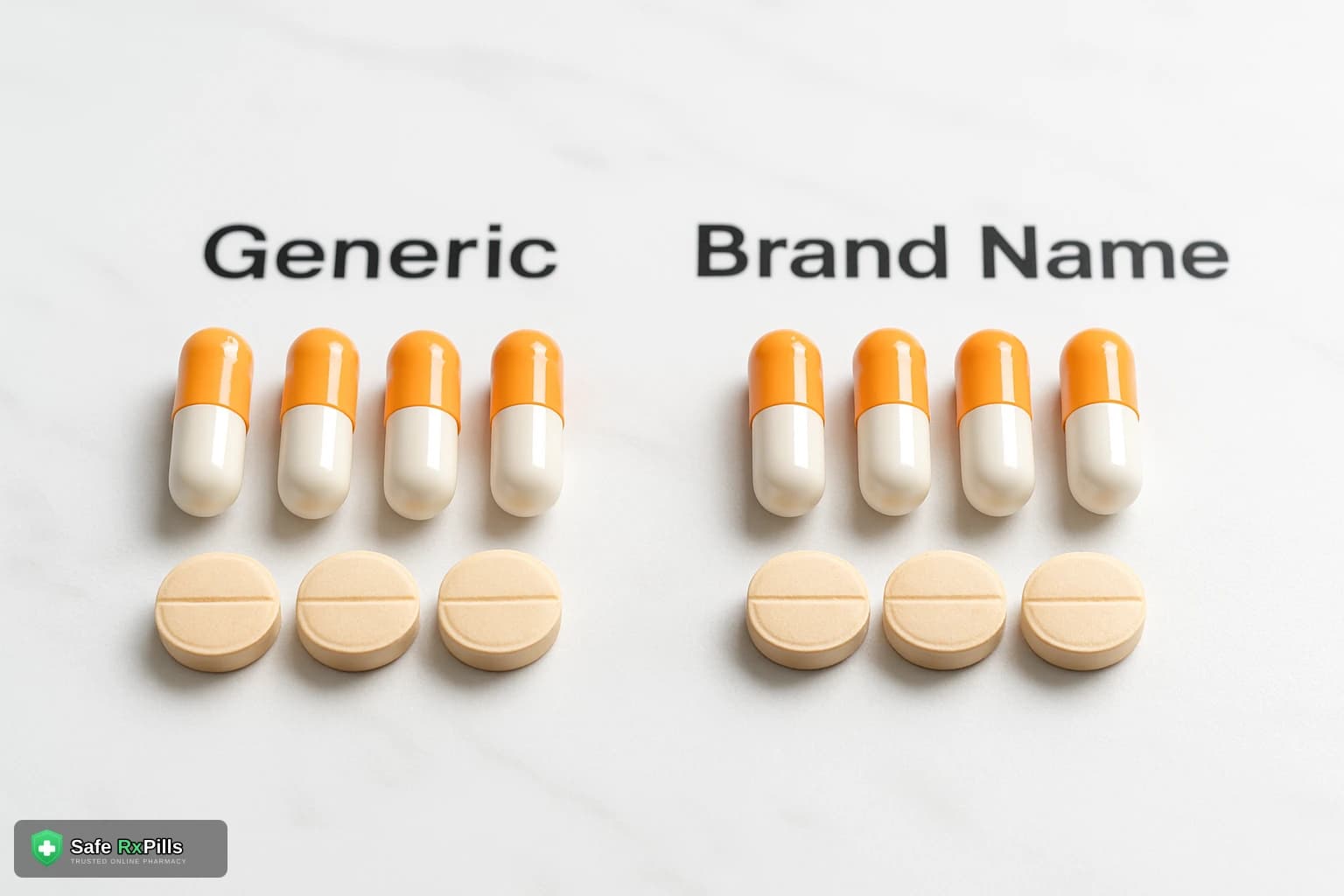
Generic medicines, conversely, are pharmaceutical products that become available after the patent protection on the brand-name drug expires. Generic manufacturers can produce these medications without conducting the extensive and expensive clinical trials required for brand-name drugs. Instead, they must demonstrate bioequivalence - proving that their generic version delivers the same amount of active ingredient into a patient's bloodstream in the same timeframe as the brand-name drug. Generic medicines use the drug's chemical or generic name rather than a proprietary brand name, such as sildenafil instead of Viagra.
The active pharmaceutical ingredient (API) in generic medicines must be identical to the brand-name version in terms of strength, dosage form, route of administration, quality, performance characteristics, and intended use. However, generic medications may differ in inactive ingredients such as fillers, binders, preservatives, and coloring agents. These inactive ingredients generally don't affect the medication's therapeutic action but may influence factors like tablet size, color, shape, and taste.
Regulatory agencies worldwide maintain strict standards for generic drug approval. In the United States, the FDA requires that generic drugs meet the same high standards of quality, strength, purity, and stability as brand-name drugs. The generic must deliver 80-125% of the brand-name drug's bioavailability, though studies show most generics fall within a much narrower range of 90-100%. This regulatory framework helps that when patients switch from a brand-name medication to a generic equivalent, they receive the same therapeutic benefit.
The cost difference between generic medicine and brand medicine is substantial and represents one of the most significant advantages of generic medications. Generic drugs typically cost 30-80% less than their brand-name equivalents, with some generics available at a fraction of the brand-name price. This dramatic cost reduction occurs because generic manufacturers don't bear the enormous research, development, and marketing expenses that brand-name companies incur. Additionally, when multiple generic manufacturers enter the market after patent expiration, competition further drives prices down, benefiting consumers and healthcare systems worldwide.
How Does Generic Medicine vs Brand Medicine Work?
The mechanism of action for both generic medicine and brand medicine is identical because they contain the same active pharmaceutical ingredient in the same strength and dosage form. When you understand how medications work in the body, you can appreciate why generic and brand-name drugs produce equivalent therapeutic effects despite their different names and appearances.
When you take any medication, whether generic or branded, the active ingredient must be absorbed into your bloodstream, distributed throughout your body, metabolized by your liver and other organs, and eventually eliminated. This process, known as pharmacokinetics, determines how quickly and effectively the drug works. For a generic medicine to receive regulatory approval, it must demonstrate bioequivalence to the brand-name drug, meaning it must be absorbed at the same rate and to the same extent.
The bioequivalence studies required for generic approval are sophisticated scientific investigations that measure precise blood concentration levels of the active ingredient over time. Researchers administer both the generic and brand-name versions to healthy volunteers and then take multiple blood samples at specified intervals. By analyzing these samples, scientists create pharmacokinetic profiles that show how the drug concentration changes in the bloodstream over time. The key parameters measured include Cmax (maximum blood concentration), Tmax (time to reach maximum concentration), and AUC (area under the curve, representing total drug exposure).
For a generic to be approved, its bioavailability must fall within 80-125% of the brand-name drug's bioavailability. However, extensive research has shown that most generic drugs have bioavailability values within 90-100% of the brand-name version - a difference so minimal it's clinically insignificant. In fact, studies comparing different batches of the same brand-name drug show similar variability, demonstrating that the potential differences between generic and brand medicines are no greater than the natural variations that occur in pharmaceutical manufacturing.
The therapeutic equivalence of generic medicines has been validated through decades of real-world use and countless studies. Major medical organizations, including the American Medical Association, the FDA, and the World Health Organization, all affirm that approved generic medications are as safe and effective as their brand-name counterparts. Healthcare professionals worldwide rely on generic medications to treat serious conditions like heart disease, diabetes, infections, and cancer, with excellent outcomes.
The inactive ingredients in generic medicines, while different from those in brand-name drugs, are carefully selected to maintain the medication's stability, appearance, and ease of swallowing. These excipients must meet the same quality standards as those used in brand-name drugs and are considered safe for human consumption. In rare cases, patients may experience sensitivity to a specific inactive ingredient, such as a particular dye or preservative. However, this can occur with brand-name medications as well and is not unique to generics.
Pharmaceutical manufacturing standards apply equally to generic and brand-name medications. All drug manufacturers, regardless of whether they produce generics or branded drugs, must comply with Good Manufacturing Practices (GMP) regulations. These complete guidelines govern every aspect of pharmaceutical production, from raw material sourcing and facility design to quality control testing and record-keeping. Regulatory agencies conduct regular inspections of manufacturing facilities to help compliance, and non-compliance can result in warning letters, production shutdowns, or product recalls.
The approval process for generic medicines is rigorous and evidence-based. Generic manufacturers must submit an Abbreviated New Drug Application (ANDA) in the United States or similar applications in other countries, providing detailed information about the generic drug's composition, manufacturing process, quality control procedures, and bioequivalence data. The review process typically takes several months to years, and only products meeting all regulatory requirements receive approval.
Benefits of Generic Medicine
The benefits of choosing generic medicine over brand medicine extend far beyond simple cost savings, though the financial advantages remain the most immediately apparent and compelling reason for most patients and healthcare systems to embrace generic alternatives.
Cost-effectiveness stands as the primary benefit of generic medications, with savings that can be truly life-changing for patients managing chronic conditions requiring long-term medication use. Generic drugs typically cost 30-80% less than their brand-name equivalents, and in some cases, the savings can be even more dramatic. For example, a month's supply of brand-name Viagra might cost several hundred dollars, while generic sildenafil citrate can be obtained for a fraction of that price. For patients taking multiple medications or those without complete health insurance, these savings can mean the difference between affording their medications and going without essential treatment.
The economic impact of generic medicines extends beyond individual patients to healthcare systems worldwide. Governments and insurance companies save billions annually by promoting generic drug use, allowing those savings to be redirected toward other healthcare priorities such as medical research, hospital infrastructure, or coverage expansion. In the United States alone, generic drugs saved the healthcare system over $300 billion in 2020, according to industry reports. These systemic savings ultimately benefit everyone by helping to control rising healthcare costs and insurance premiums.
Improved medication adherence represents another significant but often overlooked benefit of generic medicines. Studies consistently show that when medications are more affordable, patients are more likely to take them as prescribed. High medication costs are a primary reason patients skip doses, split pills, or abandon prescriptions altogether - behaviors that can lead to treatment failure, disease progression, and costly medical complications. By making medications more accessible through lower prices, generic drugs help help patients can maintain the consistent treatment necessary for optimal health outcomes.
Increased access to essential medications is particularly crucial in developing nations and underserved communities where healthcare budgets are limited. Generic medicines enable healthcare systems in these regions to treat more patients with limited resources, addressing public health challenges like HIV/AIDS, malaria, tuberculosis, and non-communicable diseases. International health organizations rely heavily on generic medications to run programs that provide life-saving treatments to millions of people who would otherwise have no access to modern medicine.
The competitive market created by generic drugs drives innovation and efficiency throughout the pharmaceutical industry. When multiple generic manufacturers compete to produce the same medication, prices drop further, benefiting consumers. This competition also encourages both generic and brand-name manufacturers to improve their production processes, enhance quality control, and develop more efficient formulations. The presence of generic alternatives also provides patients with more choices, allowing them to work with their healthcare providers and pharmacists to find the specific formulation that works best for their individual needs.
Quality assurance and safety standards for generic medicines are equivalent to those for brand-name drugs, providing patients with the confidence that they're receiving effective, safe medication regardless of which option they choose. The rigorous approval processes, ongoing quality monitoring, and post-market surveillance conducted by regulatory agencies help that generic drugs maintain the same high standards as their branded counterparts. Patients can trust that when they fill a prescription with a generic medication approved by their country's regulatory authority, they're receiving a product that has been thoroughly evaluated and continuously monitored for quality and safety.
Environmental benefits also favor generic medicines, as increased competition and efficiency in the generic drug market often lead to more sustainable manufacturing practices. Many generic manufacturers have implemented green chemistry principles and waste reduction strategies that minimize the environmental impact of pharmaceutical production.
Side Effects & Precautions
Understanding the side effect profile and necessary precautions for generic medicine vs brand medicine is essential for patient safety and informed decision-making. A common misconception is that generic drugs have different or more severe side effects than brand-name medications, but scientific evidence demonstrates this is simply not true.
Common Side Effects
The side effects of generic medicines are identical to those of brand-name drugs because they contain the same active pharmaceutical ingredient in the same strength and dosage form. The active ingredient is what produces both the therapeutic effects and the potential adverse effects of any medication. Whether you take generic sildenafil or brand-name Viagra, generic atorvastatin or brand-name Lipitor, the side effect profile remains the same.
Common side effects depend entirely on the specific medication rather than whether it's generic or branded. For example, blood pressure medications in the ACE inhibitor class may cause a dry cough regardless of whether you're taking the generic or brand version. Antibiotics in the tetracycline family may increase sun sensitivity whether you choose the generic or branded formulation. Pain medications like NSAIDs carry the same gastrointestinal risks in both generic and brand-name forms.
If you experience side effects when switching from a brand-name drug to a generic (or vice versa), several factors may be at play. First, the timing of the switch may coincide with changes in your condition, diet, other medications, or lifestyle factors unrelated to the medication change. Second, the nocebo effect - where negative expectations lead to negative experiences - can influence how you perceive side effects. If you're worried that a generic won't work as well or will cause problems, you may be more likely to notice or attribute symptoms to the medication change.
In rare cases, sensitivity to inactive ingredients may cause reactions. If a generic uses a different dye, filler, or preservative than the brand-name version, and you happen to be sensitive to that specific inactive ingredient, you might experience symptoms. However, this is uncommon and can also occur when switching between different manufacturers of the same brand-name drug or between different generics. If you suspect sensitivity to an inactive ingredient, consult your pharmacist or doctor, who can help you identify alternative formulations.
Serious Precautions
Several important precautions apply equally to both generic medicine and brand medicine, emphasizing that medication safety depends on the active ingredient and proper use rather than whether a drug is generic or branded.
Drug interactions occur with the active ingredient, not the brand name or generic status. Whether you take generic or branded medication, you must inform your healthcare provider about all medications, supplements, and herbal products you use. Certain combinations can lead to dangerous interactions, reduced effectiveness, or increased side effects. For instance, taking certain antibiotics with antacids can reduce antibiotic absorption, regardless of whether the antibiotic is generic or branded.
Contraindications are medical conditions or circumstances that make taking a particular medication dangerous, and these apply identically to generic and brand-name drugs. If you have kidney disease, liver problems, pregnancy, specific allergies, or other conditions that contraindicate a medication, this applies equally to the generic and brand versions. Never assume that switching to a generic (or from a generic to a brand) changes whether a medication is safe for your specific situation.
Allergic reactions to medications occur in response to the active ingredient or, rarely, to inactive ingredients. If you've had an allergic reaction to a brand-name drug, you should not take the generic version containing the same active ingredient, as the allergy risk remains. Conversely, if you're allergic to a specific inactive ingredient present in one formulation but not another, working with your pharmacist can help you find an alternative formulation that's safe for you.
Narrow therapeutic index drugs require special attention whether generic or branded. These medications have a narrow margin between therapeutic and toxic doses, meaning small variations in blood levels can significantly impact safety and efficacy. Examples include warfarin, levothyroxine, phenytoin, and certain heart medications. For these drugs, consistency is crucial. If you're taking a narrow therapeutic index medication, it's generally recommended to stick with the same manufacturer (whether brand or generic) to minimize variability. If switching is necessary, close monitoring by your healthcare provider helps therapeutic levels remain within the safe and effective range.
Dosage & Usage Guidelines
The dosage and usage guidelines for generic medicine are identical to those for brand medicine because both contain the same active ingredient in the same strength. Understanding how to properly use your medications helps optimal therapeutic outcomes regardless of whether you choose generic or branded options.
Standard Oral Medications
For standard oral medications like tablets, capsules, and liquids, the dosing instructions remain constant whether you're taking a generic or brand-name drug. If your doctor prescribes 10mg of a medication once daily, this applies equally to the generic and branded versions. The timing of doses, whether to take the medication with food or on an empty stomach, and the duration of treatment all depend on the active ingredient's pharmacology rather than the product's brand status.
When switching from a brand-name medication to a generic equivalent, you should maintain the same dosage and schedule unless specifically instructed otherwise by your healthcare provider. The bioequivalence requirements for generic approval help that the generic delivers the same therapeutic effect as the brand-name drug, so dosage adjustments are typically unnecessary. If you have questions about switching, consult your doctor or pharmacist before making changes.
For medications requiring dose adjustments based on kidney function, liver function, age, or body weight, these considerations apply equally to generic and brand-name drugs. Your healthcare provider will calculate the appropriate dose based on your individual characteristics and the active ingredient's properties, not on whether the medication is generic or branded.
Alternative Treatments
When considering generic medicine vs brand medicine, it's worth noting that some therapeutic categories offer multiple generic options from different manufacturers. While all approved generics must meet the same bioequivalence standards, patients occasionally find that they prefer one generic manufacturer's formulation over another due to factors like tablet size, coating, or ease of swallowing. Working with a consistent pharmacy can help help you receive the same manufacturer's generic each time, providing consistency in your medication experience.
For certain medications, alternative dosage forms may be available in generic versions. For example, if you have difficulty swallowing tablets, generic liquid formulations, orally disintegrating tablets, or other alternatives might be available. Your pharmacist can advise you on the generic options available in different dosage forms.
Important Usage Guidelines
Several critical guidelines apply to using both generic and brand-name medications effectively and safely. First, always obtain your medications from licensed, reputable pharmacies whether you're purchasing online or in person. At SafeRxPills, we help all medications meet stringent quality standards and come from verified manufacturers, giving you confidence in your generic and brand-name prescriptions alike.
Store your medications properly according to the instructions on the label, as storage requirements depend on the active ingredient's chemical properties rather than brand status. Most medications should be kept in a cool, dry place away from direct sunlight, moisture, and extreme temperatures. Bathroom medicine cabinets are often poor storage locations due to humidity from showers.
Check expiration dates regularly and dispose of expired medications properly. The expiration date indicates how long the manufacturer guarantees the medication's full potency and safety. This applies equally to generic and brand-name drugs, as both must meet the same stability requirements.
Never share prescription medications with others, even if they have similar symptoms or conditions. Medications are prescribed based on individual patient characteristics, medical history, and specific health needs. What's appropriate and safe for you may be dangerous for someone else.
Maintain open communication with your healthcare providers and pharmacists about your medications. If you experience unexpected effects, have concerns about generic substitution, or have questions about your treatment, your healthcare team is your best resource for reliable, personalized information.
When to See a Doctor
Knowing when to consult your healthcare provider about issues related to generic medicine vs brand medicine is crucial for maintaining optimal health outcomes and addressing concerns promptly.
Initial Consultation Indicators
Before starting any new medication, whether generic or branded, schedule a consultation with your doctor to help the treatment is appropriate for your condition, medical history, and current medications. Your doctor will assess your health status, review potential drug interactions, discuss side effects and precautions, and determine the correct dosage for your needs.
If you're considering switching from a brand-name medication to a generic (or vice versa), discuss this with your doctor, especially if you're taking medications for serious conditions like heart disease, diabetes, epilepsy, or mental health disorders. While generic substitution is generally safe and appropriate, your doctor can help you understand what to expect and determine whether any special monitoring is advisable during the transition.
When you receive a new prescription, ask your doctor whether a generic alternative is available and appropriate for your situation. Many doctors routinely prescribe generically to help patients save money, but if they prescribe a brand-name drug, don't hesitate to ask whether a generic option exists. In most cases, the generic will be suitable, but sometimes specific clinical reasons may make the brand-name version preferable for your individual circumstances.
Emergency Situations
Seek immediate medical attention if you experience signs of a severe allergic reaction to any medication, whether generic or branded. Symptoms include difficulty breathing, severe rash or hives, swelling of the face, lips, tongue, or throat, or severe dizziness. Severe allergic reactions are medical emergencies requiring immediate treatment.
If you experience symptoms that could indicate a serious adverse drug reaction, such as chest pain, severe headache, vision changes, uncontrolled bleeding, signs of liver problems (yellowing of skin or eyes, dark urine, severe abdominal pain), or other concerning symptoms, seek medical attention promptly. These symptoms warrant evaluation regardless of whether you're taking a generic or brand-name medication.
Contact your doctor immediately if you believe your medication isn't working effectively. While concerns about generic efficacy are usually unfounded, any situation where your condition isn't adequately controlled deserves medical evaluation. Your doctor can assess whether the issue relates to the medication itself, your dose, disease progression, or other factors and adjust your treatment accordingly.
Ongoing Medical Monitoring
For chronic conditions requiring long-term medication, maintain regular follow-up appointments with your healthcare provider. These visits allow your doctor to monitor your condition, assess treatment effectiveness, adjust medications as needed, and screen for potential complications. This monitoring is important whether you take generic or brand-name drugs.
If you take narrow therapeutic index medications, consistent monitoring through blood tests and clinical assessments is essential. Your doctor will check that medication levels remain within the therapeutic range and adjust your dose if necessary. This careful monitoring helps safety and efficacy regardless of whether you take the generic or brand version.
When you switch from a brand-name to a generic medication (or change generic manufacturers), consider discussing follow-up monitoring with your doctor, particularly for medications requiring tight control such as anticoagulants, thyroid medications, or seizure medications. While problems are uncommon, monitoring provides reassurance and allows prompt detection of any issues.
Lifestyle Modifications and Complementary Approaches
While choosing between generic medicine and brand medicine is an important decision, medications are just one component of complete health management. Lifestyle modifications and complementary approaches work synergistically with both generic and brand-name medications to optimize health outcomes.
Dietary and Exercise Interventions
A healthy diet supports medication effectiveness and overall wellness regardless of whether you take generic or brand-name drugs. For many conditions, dietary modifications can enhance treatment outcomes and sometimes even reduce medication needs. For instance, patients taking blood pressure medications benefit significantly from reducing sodium intake, increasing potassium-rich foods, and following eating patterns like the DASH (Dietary Approaches to Stop Hypertension) diet.
For individuals managing diabetes with medication, whether generic metformin or brand-name alternatives, dietary choices directly impact blood sugar control and medication requirements. Working with a registered dietitian can help you develop an eating plan that works synergistically with your medications to achieve optimal glucose management.
Regular physical activity enhances the effectiveness of many medications and provides independent health benefits. Exercise improves cardiovascular health, helps manage weight, reduces inflammation, supports mental health, and enhances medication absorption and distribution in some cases. Aim for at least 150 minutes of moderate-intensity aerobic activity weekly, combined with strength training exercises twice weekly, unless contraindicated by your medical condition.
Stress Management and Mental Health
Chronic stress can interfere with medication effectiveness and worsen many health conditions. Stress management techniques like meditation, deep breathing exercises, yoga, progressive muscle relaxation, and mindfulness practices complement medical treatment whether you're taking generic or branded medications. These evidence-based approaches have been shown to reduce blood pressure, improve pain management, enhance sleep quality, and support mental health.
Adequate sleep is crucial for health and medication effectiveness. Many medications work better when your body is well-rested, and sleep deprivation can worsen conditions and increase side effects. Prioritize good sleep hygiene by maintaining consistent sleep schedules, creating a comfortable sleep environment, limiting screen time before bed, and avoiding caffeine and alcohol close to bedtime.
Mental health support enhances outcomes for patients managing chronic physical conditions. Whether you're taking generic antidepressants, managing chronic pain, or dealing with a serious diagnosis, psychological support through counseling, support groups, or therapy can significantly improve quality of life and treatment outcomes. Don't hesitate to discuss mental health concerns with your healthcare provider, as addressing both physical and emotional health components leads to the best overall outcomes.
Popular Products
- Cenforce 200mg (Sildenafil) - top-selling generic ED medication
- Wormiza 444mg (Fenbendazole) - leading fenbendazole supplement
- Careprost 3ml (Bimatoprost) - best-selling eyelash growth serum
Related Topics:
?Frequently Asked Questions
What is the main difference between generic medicine and brand medicine?
The main difference between generic medicine and brand medicine is that brand-name drugs are developed and marketed by the original manufacturer under a trademarked name, while generic drugs are bioequivalent copies produced after the brand's patent expires. Both contain the same active ingredients in identical strengths and dosage forms, but generics are typically sold at significantly lower prices because manufacturers don't have to repeat costly clinical trials or invest in extensive marketing campaigns. The FDA requires generic medications to meet the same rigorous standards for quality, safety, and effectiveness as their brand-name counterparts.
Are generic medicines as effective as brand-name medicines?
Yes, generic medicines are just as effective as brand-name medicines because they must contain the same active ingredient, strength, dosage form, and route of administration. The FDA requires generic drugs to be bioequivalent to the original brand, meaning they work in the body in the same way and provide the same clinical benefits. Studies have consistently shown that generic medications deliver the same therapeutic effects as their brand-name versions, with any variations falling within acceptable FDA standards of 80-125% bioavailability.
Why are generic medicines so much cheaper than brand-name drugs?
Generic medicines are cheaper because their manufacturers don't have to repeat the expensive clinical trials already conducted by the original brand developer, which can cost hundreds of millions of dollars. Additionally, generic drug makers save on research and development costs, don't need to invest heavily in marketing and advertising, and often face competition from multiple manufacturers producing the same generic drug. These cost savings are passed directly to consumers, making generics typically 80-85% less expensive than brand-name equivalents.
Can I switch from brand medicine to generic medicine without consulting my doctor?
While generic medicines are FDA-approved equivalents, you should consult your doctor or pharmacist before switching from brand to generic medication, especially for drugs with narrow therapeutic windows. Most medications can be safely switched, but your healthcare provider may want to monitor you initially to ensure the generic version works equally well for your specific condition. In some cases, doctors write prescriptions as "dispense as written" when they believe the brand-name version is medically necessary for a particular patient.
Do generic medicines have different side effects than brand-name medicines?
Generic medicines have the same side effects as brand-name medicines because they contain identical active ingredients in the same amounts. However, some patients may rarely experience differences due to inactive ingredients like fillers, dyes, or preservatives, which can vary between manufacturers and may affect individuals with specific allergies or sensitivities. The active ingredient responsible for the drug's therapeutic effect and primary side effects remains exactly the same in both generic and brand versions.
How does the FDA ensure generic medicines are safe and effective?
The FDA ensures generic medicines are safe and effective by requiring manufacturers to prove their products are bioequivalent to the brand-name drug through rigorous testing and approval processes. Generic drug applications must demonstrate that the medication contains the same active ingredient, meets identical quality standards, and performs the same way in the body as the original brand medicine. The FDA inspects generic drug manufacturing facilities and monitors adverse event reports to maintain ongoing safety standards, applying the same stringent regulatory oversight to generic drugs as it does to brand-name medications.
SafeRxPills Pharmacy Team
SafeRxPills Editorial Team
Our pharmacy team consists of certified pharmacists and medical writers with 10+ years of experience in pharmaceutical sciences.
Comments (0)
Leave a Comment
No comments yet. Be the first to share your thoughts!
Related Articles

Stromectol vs Generic Ivermectin: FDA-Approved Generics, Dosing and What It Treats
May 21, 2026