
Ivermectin and Fenbendazole Protocol: Complete Guide to Combined Use
Lokesh Maurya
Ivermectin and Fenbendazole Protocol: Complete Guide to Combined Use | SafeRxPills - pharmacy guide
In this article (8 sections)
The ivermectin and fenbendazole protocol typically involves taking ivermectin at 0.2-0.4 mg/kg body weight once weekly and fenbendazole at 222 mg daily for three consecutive days per week, with this cycle repeated for 4-12 weeks depending on the condition being treated. This combination has gained attention for parasitic infections and off-label uses, though you should understand proper dosing, timing, and safety measures before starting.
People search for this protocol because both medications work through different mechanisms against parasites, and some believe the combination offers broader coverage or enhanced effectiveness. While ivermectin is well-established for parasitic infections, combining it with fenbendazole requires careful attention to dosing and potential interactions.
What Are Ivermectin and Fenbendazole?
Ivermectin is an FDA-approved antiparasitic medication derived from avermectins, a class of compounds produced by the bacterium Streptomyces avermitilis. It works by binding to glutamate-gated chloride channels in parasites, causing paralysis and death of the organism. Humans have used it safely for decades to treat conditions like onchocerciasis (river blindness), strongyloidiasis, and scabies.
Fenbendazole belongs to the benzimidazole class of anthelmintics, primarily approved for veterinary use in the United States. It disrupts microtubule formation in parasitic cells, preventing cell division and nutrient absorption. While not FDA-approved for human use in the US, it has a long safety record in veterinary medicine and is used in humans in other countries.
Both medications target parasites but through completely different cellular mechanisms. Ivermectin affects the nervous system of parasites, while fenbendazole disrupts their cellular structure. This difference is partly why some protocols combine them.
The benzimidazoles made for people are albendazole and mebendazole, the same drug family as fenbendazole. We stock Zentel 400 mg (albendazole) and Mebmox 500 mg (mebendazole).
The safety profiles differ slightly. Ivermectin tablets are manufactured under strict pharmaceutical standards for human use, with well-documented dosing guidelines. Fenbendazole formulations marketed in the USA are typically veterinary products, though some people use them off-label.
Why People Combine These Medications
The primary reason for combining ivermectin and fenbendazole is broader spectrum coverage against different types of parasites. Ivermectin excels against roundworms, threadworms, and ectoparasites like lice and scabies mites. Fenbendazole targets tapeworms, some roundworms, and certain protozoa that ivermectin may miss.
Some parasitic infections involve multiple organism types. Intestinal parasites, for example, might include both nematodes (where ivermectin shines) and cestodes (where fenbendazole is more effective). A combined protocol theoretically addresses both simultaneously.
Another consideration is drug resistance. Some parasite populations develop resistance to single medications over time. Using two drugs with different mechanisms may reduce this risk, though this is more relevant in veterinary medicine than human use.
Off-label interest has also emerged around these medications for conditions beyond parasitic infections. While ivermectin tablets for humans have approved uses, both drugs have been studied for various other conditions. Any such use should only be undertaken with medical supervision.
The combination is not standard medical practice for most parasitic infections. Single-drug therapy usually suffices for diagnosed parasitic conditions. Combination protocols are typically reserved for complex cases, treatment failures, or specific clinical scenarios your doctor identifies.
Standard Ivermectin and Fenbendazole Protocol
The most commonly referenced protocol follows this structure: ivermectin dosed by body weight (0.2-0.4 mg/kg) taken once per week, combined with fenbendazole 222 mg taken daily for three consecutive days each week. This creates a weekly cycle where both medications are active but not necessarily taken on the same days.
For a 70 kg (154 lb) adult, this translates to roughly 12-24 mg of ivermectin weekly. Covilife 40mg tablets would provide sufficient dosing flexibility, though you might split tablets or adjust based on exact body weight calculations.
The fenbendazole portion typically involves 222 mg daily for three days, followed by four days off. This pattern repeats weekly. Some protocols use different schedules (like five days on, two days off), but three-day cycles are most common.
Duration varies significantly based on the condition being addressed. Acute parasitic infections might require 4-6 weeks of the combined protocol. More persistent conditions could extend to 8-12 weeks. Some people continue maintenance protocols at reduced frequency, though this lacks formal clinical guidance.
Timing within the week matters less than consistency. Some people take ivermectin on day one of their fenbendazole cycle, others prefer spacing them apart. What matters most is maintaining the weekly rhythm and not missing doses.
Detailed Dosing Schedule and Timing
A practical weekly schedule might look like this: Take ivermectin on Monday morning with food (fat improves absorption by up to 2.5 times). Then take fenbendazole 222 mg on Wednesday, Thursday, and Friday with meals. This spaces the medications while maintaining the weekly pattern.
Body weight determines your specific ivermectin dose. At 0.2 mg/kg, a 60 kg person needs 12 mg, a 70 kg person needs 14 mg, and an 80 kg person needs 16 mg. Higher doses (0.4 mg/kg) double these amounts. Our complete ivermectin dosage guide provides detailed calculations for different body weights.
Fenbendazole dosing is simpler since 222 mg is the standard daily amount regardless of body weight for most protocols. Some veterinary formulations come as 222 mg packets specifically for this reason. Take it with fatty food to improve absorption, just like ivermectin.
Consistency beats perfection. If you miss an ivermectin dose, take it as soon as you remember within the same week, then resume your normal schedule the following week. Missing a fenbendazole day means continuing the three-day cycle as planned, not extending it to make up the missed dose.
Some people experience mild digestive upset when starting. Taking medications with substantial meals reduces this. Avoid alcohol during the protocol, as both drugs are metabolized by the liver, and alcohol creates additional metabolic burden.
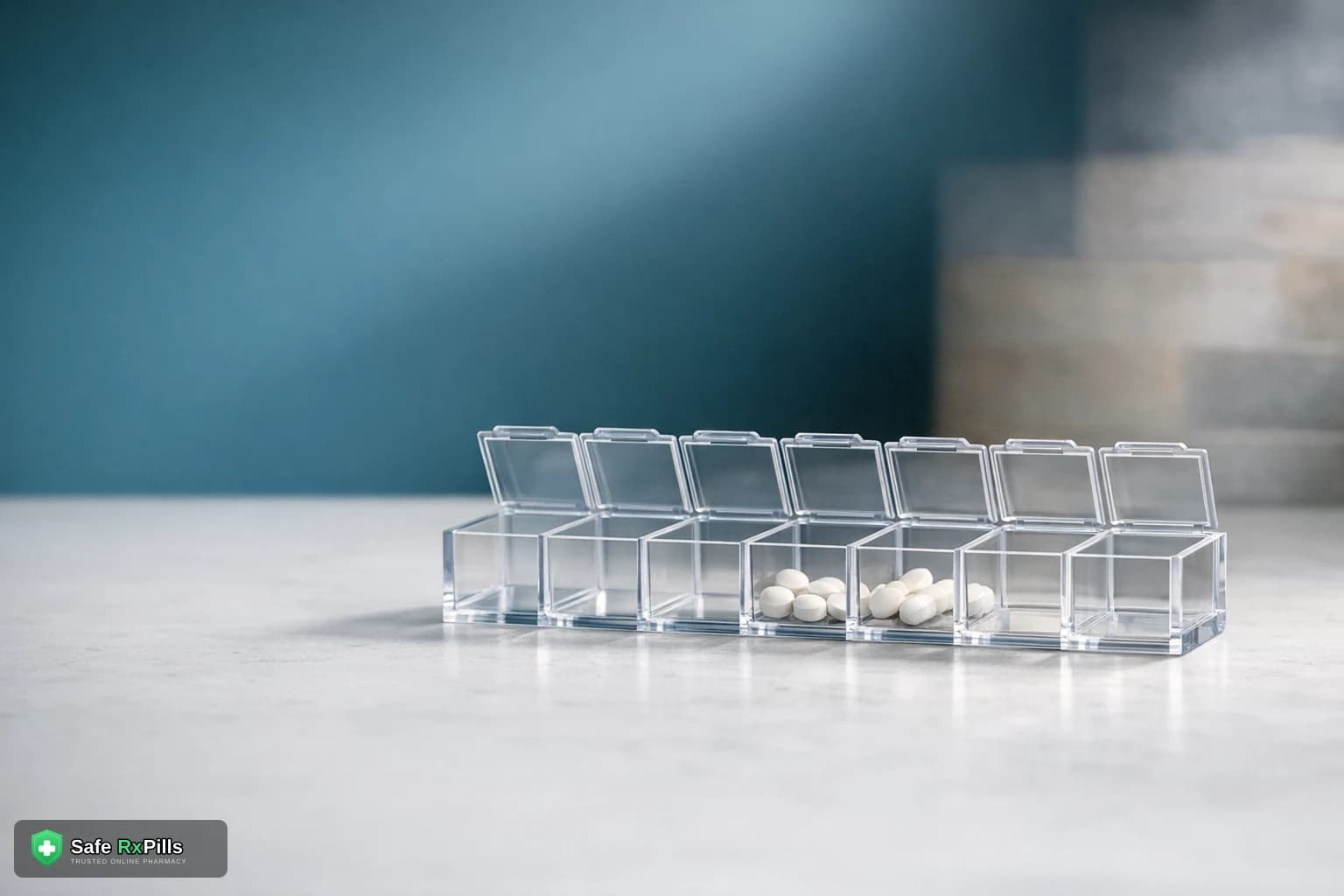
Track your schedule. Use a pill organizer, phone reminders, or a written calendar. Missing doses or doubling up by accident reduces effectiveness or increases side effect risk.
Safety Considerations and Contraindications
Not everyone should use this protocol. Pregnant women should avoid both medications, particularly fenbendazole, which has shown reproductive toxicity in animal studies. Breastfeeding mothers should also avoid fenbendazole, though small amounts of ivermectin do pass into breast milk.
Liver disease requires extra caution. Both drugs are metabolized hepatically, and impaired liver function slows clearance, potentially leading to higher blood levels. If you have existing liver problems, you need medical monitoring including liver function tests before and during treatment.
Drug interactions matter. Ivermectin interacts with warfarin, potentially increasing bleeding risk. It may interact with other drugs metabolized by CYP3A4 enzymes, including some statins, calcium channel blockers, and immunosuppressants. Fenbendazole has fewer documented interactions but can theoretically affect drugs metabolized similarly.
Neurological conditions need consideration. People with compromised blood-brain barriers (from diseases like meningitis or certain genetic conditions) face higher risk of ivermectin reaching the central nervous system, potentially causing neurological symptoms.
Weight extremes require dose adjustment. Very low body weight (under 15 kg/33 lbs) and very high body weight (over 120 kg/265 lbs) fall outside standard dosing ranges. Pediatric use requires specific medical guidance.
Pre-existing vitamin deficiencies, particularly B vitamins, may worsen during antiparasitic treatment. Some practitioners recommend B-complex supplementation during the protocol, though this is not universally agreed upon.
What Side Effects to Expect
Most people tolerate this protocol well, but side effects do occur. With ivermectin, the most common complaints include mild dizziness, nausea, or diarrhea within 24-48 hours of dosing. These typically resolve without intervention. Fatigue affects some people for a day or two after taking ivermectin.
Fenbendazole side effects, when they occur, usually involve digestive symptoms. Mild stomach discomfort, loose stools, or temporary loss of appetite are reported. Taking it with substantial food reduces these effects for most people.
Die-off reactions (Jarisch-Herxheimer reaction) can occur when parasites are killed rapidly. Symptoms include temporary worsening of fatigue, mild fever, body aches, or skin reactions. This typically happens in the first 1-2 weeks if you have a significant parasite burden. It is self-limiting but uncomfortable.
Skin reactions are possible with either medication. Mild rash or itching may occur, particularly with ivermectin. Severe reactions like Stevens-Johnson syndrome are extremely rare but require immediate medical attention if skin blistering or severe rash develops.
Headaches affect roughly 5-10% of people taking ivermectin. They are usually mild and respond to standard over-the-counter pain relievers. Persistent or severe headaches warrant medical evaluation.
Serious side effects are uncommon but possible. Severe abdominal pain, bloody stools, vision changes, confusion, or difficulty breathing require immediate medical attention. Stop the protocol and seek help if these occur.
Long-term effects of extended fenbendazole use in humans are not well-studied since it is not approved for human use in the USA. Most safety data comes from veterinary use and limited human studies from other countries.
Accessing These Medications in the USA
Getting these medications in the United States involves different processes. Ivermectin is FDA-approved for human use and requires a prescription for oral formulations. You can obtain it through your doctor for approved indications like strongyloidiasis or onchocerciasis, and sometimes for off-label uses at physician discretion.
Buying ivermectin online in the USA through licensed pharmacies like SafeRxPills provides a legitimate alternative when you have a valid prescription or when purchasing for approved uses. We ship Wormentel Duo 156mg and other quality formulations directly to US addresses with typical delivery times of 10-21 days.
Fenbendazole presents more complexity. It is not FDA-approved for human use in the United States, so you will not find it at regular pharmacies with a prescription for human consumption. People typically source it through veterinary supply channels or international pharmacies.
Pricing varies considerably. Generic ivermectin costs roughly $2-5 per 3mg tablet through US pharmacies with prescription. Online international pharmacies often offer better pricing, particularly for larger orders. Fenbendazole veterinary products typically run $30-60 for a month's supply depending on the brand and formulation.
Quality matters significantly. Pharmaceutical-grade ivermectin manufactured for human use undergoes strict quality controls. Veterinary fenbendazole products may have less stringent purity standards. Some people seek pharmaceutical-grade fenbendazole from international sources, though this requires careful vendor selection.
SafeRxPills ships to all 50 US states. Orders typically arrive in 10-21 business days via international mail. We provide tracking information and customer support throughout the process. All products are sourced from licensed manufacturers and come with proper documentation.
Insurance rarely covers these medications for off-label protocol use. Budget for out-of-pocket costs. A 12-week protocol might cost $150-400 depending on your body weight and whether you choose generic or brand formulations.
Antiparasitic medicines on SafeRxPills
These are the antiparasitic tablets for people that we stock. The right one depends on the parasite, so a stool test or a doctor's diagnosis should come first.
- Ivermectin: Ivercor 3 mg, Ivercor 6 mg, Ivercor 12 mg, Ivecop 12 mg
- Albendazole: Zentel 400 mg, Aldol 400 mg
- Mebendazole: Mebmox 500 mg, Mebex 100 mg
- Ivermectin with albendazole: Bandy-Plus 12 mg
- Praziquantel: Biltree 600 mg
Monitoring Your Protocol
Baseline testing before starting helps establish a reference point. Complete blood count, liver function tests (ALT, AST), and kidney function tests (creatinine, BUN) provide useful baseline data. If you are treating diagnosed parasites, stool testing or blood tests specific to your infection help track progress.
During the protocol, pay attention to specific symptoms. Keep a simple log noting energy levels, digestive symptoms, any skin changes, and overall wellbeing. This helps you and your healthcare provider assess whether the protocol is working or causing problems.
Repeat testing at the halfway point (week 6 of a 12-week protocol) allows early detection of any liver or blood count changes. Slight elevations in liver enzymes sometimes occur and usually resolve after stopping the medication, but catching them early prevents progression.
Stool testing should be repeated 2-4 weeks after completing the protocol if you started with diagnosed parasitic infection. This confirms whether the treatment successfully eliminated the parasites or if additional intervention is needed.
Weight monitoring matters. Significant weight loss could indicate medication side effects or inadequate nutrition. Parasitic infections themselves cause weight loss, so distinguishing between disease effect and treatment effect requires attention.
Energy levels often improve if you are treating an actual parasitic infection. If fatigue worsens or persists beyond the first two weeks (die-off period), this might indicate the protocol is not appropriate or you need dose adjustment.
Blood pressure monitoring is prudent if you have pre-existing cardiovascular conditions. While neither medication typically affects blood pressure significantly, monitoring provides additional safety data.
Keep your healthcare provider informed. Even if you initiated this protocol independently, having medical oversight reduces risk. Many doctors will monitor lab work even if they did not initially recommend the protocol.
This information is for educational purposes. Consult a healthcare professional before starting any new medication protocol, especially when combining medications or using them off-label.
Medical References
- PubMed (NCBI) (PMID: 12362927) - 2002
- PubMed (NCBI) (PMID: 34570241) - 2021
- DailyMed (U.S. National Library of Medicine)
- PubMed (NCBI) (PMID: 26555785) - 2016
- PubMed (NCBI) (PMID: 41405131) - 2026
- PubMed (NCBI) (PMID: 39197912) - 2024
- PubMed (NCBI) (PMID: 38199704) - 2024
Sources: U.S. National Library of Medicine (DailyMed, PubMed), openFDA
Related Products
- Wormentel Duo 156mg - ivermectin and fenbendazole combination tablet
- Ivercor 12mg (Ivermectin) - ivermectin component
- Wormiza 444mg (Fenbendazole) - fenbendazole component
?Frequently Asked Questions
What is the standard ivermectin and fenbendazole protocol dosage?
The standard ivermectin and fenbendazole protocol typically involves taking ivermectin at 0.2-0.4 mg/kg body weight once weekly and fenbendazole at 222-444 mg daily for three consecutive days per week. The exact dosing should be personalized based on individual factors like body weight, health status, and specific goals. Most protocols recommend cycling these medications rather than continuous daily use, with common patterns being 3-4 days on and 4-3 days off for fenbendazole while maintaining weekly ivermectin doses.
Can you safely combine ivermectin and fenbendazole together?
Yes, many people combine ivermectin and fenbendazole as part of an integrated protocol, though both medications should be used under medical supervision. These antiparasitic medications work through different mechanisms and are generally considered safe to use together when properly dosed. However, individual health conditions, existing medications, and potential contraindications must be evaluated before starting any combined protocol.
What are the common side effects of the ivermectin and fenbendazole protocol?
Common side effects of the combined protocol include mild gastrointestinal symptoms like nausea, diarrhea, or stomach discomfort, particularly during the first few weeks. Some users also report temporary fatigue, headaches, or dizziness as the body adjusts to the medications. Most side effects are mild and resolve within a few days, but persistent or severe reactions warrant immediate medical consultation and possible protocol adjustment.
How long should you follow an ivermectin and fenbendazole protocol?
Protocol duration varies widely depending on individual goals and health objectives, ranging from several weeks to several months. Many protocols follow a pattern of 3-6 month cycles with periodic breaks to assess response and minimize potential side effects. Regular monitoring through blood work and health assessments helps determine the appropriate duration and whether continuation, modification, or discontinuation is warranted.
Where can you legally obtain ivermectin and fenbendazole in the USA?
Ivermectin requires a prescription from a licensed healthcare provider in the USA and can be obtained through pharmacies or telehealth services. Fenbendazole is primarily sold as a veterinary medication and is available without prescription through agricultural supply stores, online retailers, and some pharmacies as an animal dewormer. It's important to ensure product quality and purity regardless of source, and consult with a healthcare provider before use.
What lab tests should you do before starting this protocol?
Baseline blood work including complete blood count (CBC), comprehensive metabolic panel (CMP), and liver function tests (LFTs) should be completed before starting the protocol. These tests establish a health baseline and help identify any pre-existing conditions that might contraindicate use or require dosage adjustments. Follow-up testing every 4-8 weeks during active protocol use helps monitor for any adverse effects and ensures safety throughout treatment.
Lokesh Maurya
Pharmacist, Content, B.Pharm, M.Pharm, Rajiv Gandhi University
Pharmacist writing on antiparasitic, ophthalmic and dermatological generics. Focuses on what the regulatory labelling and published evidence actually support.
Comments (0)
Leave a Comment
No comments yet. Be the first to share your thoughts!
Related Articles

Fenbendazole vs Ivermectin: Differences, Parasite Coverage, and Whether You Can Take Both
June 19, 2026

Joe Tippens Fenbendazole Protocol: Complete Guide to Dosage, Timing, and Results
June 10, 2026
