Tretinoin Cream Guide: Complete Usage, Benefits & Side Effects
SafeRxPills Pharmacy Team
Certified Pharmacist
Tretinoin Cream Guide: Complete Usage, Benefits & Side Effects | SafeRxPills - pharmacy guide
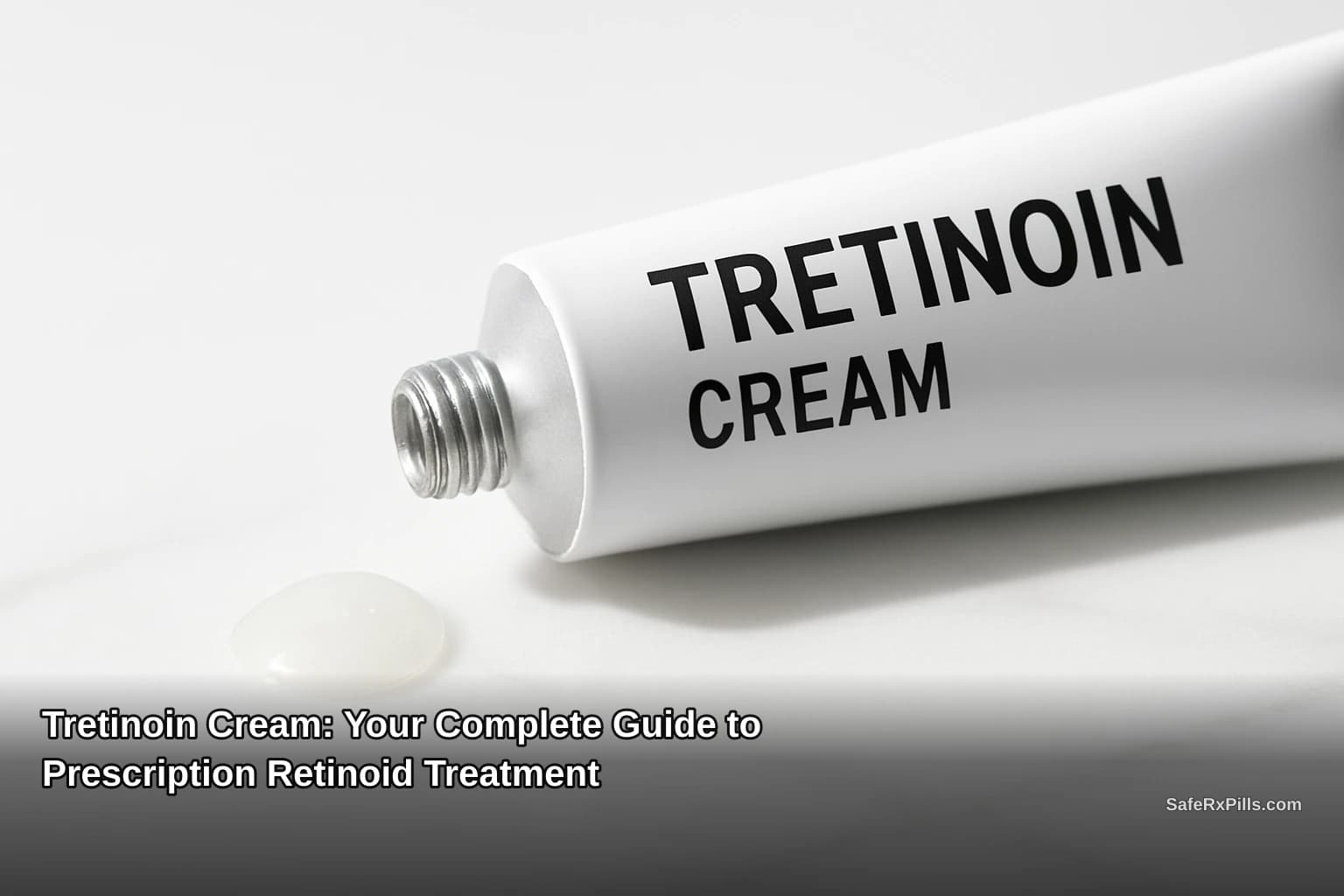
Tretinoin cream represents one of the most extensively studied and clinically proven topical medications in dermatology. Whether you're battling stubborn acne, seeking to reduce fine lines and wrinkles, or addressing hyperpigmentation concerns, understanding how to use tretinoin properly can make the difference between achieving transformative results and experiencing unnecessary irritation. This complete tretinoin cream guide will walk you through everything from the science behind how it works to practical application techniques that minimize side effects while maximizing benefits.
Available in various strengths ranging from 0.025% to 0.1%, tretinoin requires a prescription in most countries including the United States, United Kingdom, Australia, and Canada. As a vitamin A derivative classified as a retinoid, tretinoin has earned its reputation as the "gold standard" for treating photoaged skin and acne vulgaris. With over 50 years of clinical research supporting its efficacy, tretinoin continues to be recommended by dermatologists worldwide as a first-line treatment for multiple skin conditions. However, success with tretinoin depends heavily on proper usage, realistic expectations, and patience during the initial adjustment period.
What is Tretinoin Cream?
Tretinoin cream is a prescription-strength topical retinoid derived from vitamin A, chemically known as all-trans retinoic acid. Unlike over-the-counter retinol products that must be converted by the skin into retinoic acid, tretinoin is already in its active form, making it significantly more potent and effective. First approved by the FDA in 1971 for acne treatment, tretinoin has since become widely recognized for its anti-aging properties and ability to improve overall skin texture and tone.
The medication works at the cellular level by binding to specific retinoic acid receptors in skin cells, triggering a cascade of biological responses that fundamentally alter how skin behaves. Tretinoin is available in three main formulations: cream, gel, and micro-gel (microsphere). Cream formulations are generally recommended for individuals with dry or sensitive skin, as they contain moisturizing ingredients that help buffer potential irritation. Gel formulations tend to be more effective for oily or acne-prone skin but can be more drying.
Tretinoin cream is prescribed in various concentrations, typically 0.025%, 0.05%, and 0.1%. Beginners usually start with the lowest strength to allow their skin to build tolerance gradually. The cream's efficacy has been demonstrated across diverse populations and skin types, though users with darker skin tones should exercise additional caution due to the increased risk of post-inflammatory hyperpigmentation if irritation occurs.
In clinical practice, tretinoin addresses multiple dermatological concerns simultaneously. Its FDA-approved indications include acne vulgaris and the mitigation of fine facial wrinkles, though dermatologists frequently prescribe it off-label for melasma, photoaging, rough skin texture, and certain types of hyperpigmentation. The versatility of tretinoin makes it a cornerstone treatment in both medical and cosmetic dermatology.
How Does Tretinoin Cream Work?
Tretinoin's mechanism of action is multifaceted, affecting several layers of skin and multiple cellular processes simultaneously. At the molecular level, tretinoin binds to nuclear retinoic acid receptors (RARs) within skin cells, particularly RAR-alpha, RAR-beta, and RAR-gamma. This binding initiates changes in gene expression that alter how skin cells grow, mature, and die. The result is a complete restructuring of skin architecture that addresses both surface concerns and deeper structural issues.
One of tretinoin's primary effects is accelerating cellular turnover, the process by which skin sheds dead cells and replaces them with new ones. Normal skin turnover takes approximately 28 days in young adults but slows significantly with age. Tretinoin can reduce this cycle to as little as 14-21 days, bringing fresh, healthy cells to the surface more rapidly. This accelerated turnover prevents dead skin cells from clogging pores, a key factor in acne formation, while simultaneously improving skin texture and radiance.
Beyond surface effects, tretinoin penetrates to influence the dermis, the skin's deeper layer where collagen and elastin reside. Research demonstrates that tretinoin increases collagen production by stimulating fibroblast activity and inhibiting the enzymes (matrix metalloproteinases) that break down existing collagen. A landmark 1996 study published in the Archives of Dermatology found that 0.05% tretinoin cream increased epidermal thickness by 26% and reduced fine wrinkles significantly after just 24 weeks of use. These structural improvements create firmer, more resilient skin with reduced wrinkling.
Tretinoin also normalizes keratinization, the process by which skin cells mature and form the protective outer layer. In acne-prone skin, abnormal keratinization leads to sticky cells that clump together and block pores. Tretinoin corrects this process, helping that cells shed properly and don't accumulate where they can trap oil and bacteria. Additionally, tretinoin has mild anti-inflammatory properties that help calm the redness and swelling associated with inflammatory acne lesions.
For hyperpigmentation, tretinoin works by interfering with melanin production and distribution. It reduces the transfer of melanin pigment from melanocytes (pigment-producing cells) to keratinocytes (skin cells), while also accelerating the shedding of pigmented cells. This dual action gradually lightens dark spots, though the process requires consistent use over several months to see significant results.
Benefits of Tretinoin Cream
The clinical benefits of tretinoin cream are extensive and well-documented through decades of research involving thousands of patients. Understanding what tretinoin can realistically achieve helps set appropriate expectations and motivates consistent use during the sometimes-challenging initial adjustment period.
Acne Treatment and Prevention: Tretinoin remains one of the most effective topical treatments for both inflammatory and non-inflammatory acne. By preventing pore blockage and normalizing skin cell turnover, tretinoin addresses the root cause of acne rather than just treating symptoms. Clinical studies show that 0.025% to 0.1% tretinoin cream reduces acne lesions by 40-70% after 12 weeks of consistent use. It's particularly effective for comedonal acne (blackheads and whiteheads) but also shows benefits for inflammatory papules and pustules. Many dermatologists prescribe Tretinoin Cream 0.025% as a starting point for acne management.
Anti-Aging and Wrinkle Reduction: Perhaps tretinoin's most celebrated benefit is its ability to reduce fine lines and wrinkles while improving overall skin quality. Multiple controlled studies demonstrate that regular tretinoin use increases dermal collagen, thickens the epidermis, and improves elastic fiber organization. Users typically notice smoother skin texture within 3-4 months, with continued improvement over 12+ months. The anti-aging effects are cumulative, meaning benefits increase the longer you use the product consistently.
Hyperpigmentation and Melasma Improvement: Tretinoin effectively lightens various forms of hyperpigmentation including sun spots, age spots, and post-inflammatory hyperpigmentation from acne. When combined with other agents like hydroquinone or kojic acid, tretinoin can significantly improve melasma, though this condition often requires long-term management. Improvement in pigmentation typically becomes noticeable after 8-12 weeks of consistent application.
Skin Texture and Tone Enhancement: Beyond specific concerns, tretinoin dramatically improves overall skin quality. Users report smoother texture, more even tone, refined pores, and enhanced radiance. These improvements result from increased cellular turnover, improved collagen organization, and normalization of melanin distribution. The skin appears healthier, more youthful, and more resilient to environmental stressors.
Prevention of Future Damage: Tretinoin doesn't just treat existing problems, it helps prevent future damage. By maintaining accelerated cellular turnover and collagen production, tretinoin keeps skin functioning more like younger skin. Regular users often find that their skin ages more slowly and shows less photodamage over time compared to non-users.
Enhanced Absorption of Other Products: Tretinoin's effect on cellular turnover and skin barrier function can enhance the penetration and efficacy of other topical treatments. This is why dermatologists often incorporate tretinoin into complete skincare regimens targeting multiple concerns simultaneously.
Side Effects & Precautions
While tretinoin cream offers remarkable benefits, it's essential to understand potential side effects and necessary precautions before beginning treatment. Most side effects are manageable with proper technique and typically diminish as skin builds tolerance over several weeks to months.
Common Side Effects
Skin Irritation and Retinization: Nearly all tretinoin users experience some degree of irritation during the first 2-6 weeks, a process dermatologists call "retinization." This adjustment period commonly includes redness, dryness, peeling, and increased sensitivity. The skin may feel tight, look flaky, and appear more red than usual. These symptoms are normal and indicate that the medication is working, though they should be moderate rather than severe. Starting with a low concentration and using tretinoin only 2-3 times per week initially can minimize discomfort.
Purging: Many acne patients experience a temporary worsening of breakouts during weeks 2-6 of treatment. This "purging" occurs because tretinoin accelerates the lifecycle of existing microcomedones (tiny, forming pimples beneath the skin's surface), bringing them to the surface faster. While frustrating, purging is actually a positive sign that indicates tretinoin is working. True purging should resolve within 4-8 weeks, with significant improvement following.
Photosensitivity: Tretinoin increases skin's sensitivity to ultraviolet radiation, making sunburn more likely and more severe. This increased photosensitivity can persist for weeks after discontinuing tretinoin. Daily broad-spectrum SPF 30+ sunscreen is absolutely non-negotiable when using tretinoin, regardless of weather or season.
Dryness and Peeling: Tretinoin can compromise the skin barrier temporarily, leading to increased transepidermal water loss and pronounced dryness. Visible peeling is common, particularly around the nose, mouth, and forehead. Using a gentle, fragrance-free moisturizer immediately after tretinoin dries can significantly reduce this side effect without compromising efficacy.
Serious Precautions
Pregnancy and Breastfeeding: Tretinoin is classified as FDA Pregnancy Category C (now represented differently under the new PLLR system). While topical tretinoin absorption is minimal, oral retinoids are known teratogens causing severe birth defects. Out of an abundance of caution, tretinoin cream is contraindicated during pregnancy and generally not recommended while breastfeeding. Women of childbearing age should use effective contraception while using tretinoin and discontinue use if pregnancy is planned or occurs.
Eczema and Rosacea: Individuals with eczema, rosacea, or other inflammatory skin conditions should use tretinoin with extreme caution, if at all. Tretinoin can exacerbate these conditions, triggering severe flares. Consultation with a dermatologist experienced in managing these conditions is essential before starting treatment.
Skin Barrier Damage: Overuse of tretinoin or combining it with other potentially irritating ingredients (like benzoyl peroxide, salicylic acid, or physical exfoliants) can severely compromise the skin barrier. A damaged barrier leads to increased sensitivity, infection risk, prolonged healing, and potential for scarring. If skin becomes excessively red, painful, or develops open areas, tretinoin should be temporarily discontinued and medical advice sought.
Interaction with Other Treatments: Certain cosmetic procedures, including waxing, laser treatments, chemical peels, and microdermabrasion, should be avoided or approached cautiously while using tretinoin. The accelerated cell turnover and temporarily compromised barrier make skin more vulnerable to trauma and slower to heal. Most dermatologists recommend discontinuing tretinoin 5-7 days before such procedures and waiting until skin has fully healed before resuming.
Hyperpigmentation Risk: Paradoxically, excessive irritation from tretinoin can cause post-inflammatory hyperpigmentation, particularly in individuals with darker skin tones (Fitzpatrick types IV-VI). This risk underscores the importance of starting slowly, using appropriate strengths, and maintaining rigorous sun protection.
Dosage & Usage Guidelines
Proper application technique is crucial for tretinoin success. Following evidence-based guidelines maximizes benefits while minimizing irritation and other unwanted effects.
Standard Oral Medications
Though tretinoin is primarily used topically, understanding the standard application protocol is essential. Dermatologists typically recommend the following evidence-based approach:
Starting Protocol: Begin with tretinoin cream 0.025% applied 2-3 evenings per week for the first 2-3 weeks. This allows skin to acclimate gradually. If tolerated well without excessive irritation, increase frequency to every other evening for weeks 4-6, then progress to nightly application if desired. Some individuals maintain an every-other-night schedule indefinitely with excellent results.
Application Technique: Apply tretinoin only to completely dry skin, wait at least 20-30 minutes after washing your face, as damp skin increases penetration and irritation risk. Use only a pea-sized amount (approximately 0.25 mL) for the entire face. Dot small amounts on the forehead, each cheek, nose, and chin, then gently spread in a thin, even layer. Avoid the eye area, nostrils, and lips, as these areas are particularly sensitive.
Timing: Always apply tretinoin in the evening or before bed. Tretinoin degrades in sunlight and increases photosensitivity, making daytime use both ineffective and potentially harmful. Allow tretinoin to absorb for 20-30 minutes before applying moisturizer, or apply moisturizer first (the "buffer method") if you have very sensitive skin, though this may slightly reduce efficacy.
Strength Progression: If goals aren't being met after 3-6 months at the starting strength with good tolerance, consider increasing to 0.05% or 0.1% under medical supervision. However, higher strengths don't necessarily produce better results, they simply may work faster but with increased irritation risk. Many users achieve excellent results with 0.025% when used consistently over time.
Alternative Treatments
For those who cannot tolerate traditional tretinoin cream or seek alternative approaches:
Tretinoin Gel: More suitable for oily or acne-prone skin, gel formulations are alcohol-based and less occlusive than creams. They tend to be more drying but may be more effective for acne. Tretinoin Gel 0.05% is commonly prescribed for combination to oily skin types.
Microsphere/Micro-Gel Formulations: These encapsulate tretinoin in polymer microspheres that slowly release the active ingredient, reducing irritation while maintaining efficacy. Brands like Retin-A Micro use this technology. These formulations are ideal for sensitive skin or those who experienced intolerable irritation with standard formulations.
Adapalene: This third-generation retinoid is available over-the-counter in some countries (0.1%) and by prescription (0.3%). Adapalene produces less irritation than tretinoin while offering comparable acne-fighting benefits, though it's less studied for anti-aging applications.
Lower-Concentration Combinations: Some dermatologists prescribe compounded formulations that combine lower tretinoin concentrations (0.01-0.02%) with other active ingredients like niacinamide or hyaluronic acid to improve tolerability while addressing multiple concerns.
Important Usage Guidelines
The Buffer Method: For sensitive skin, apply moisturizer first, wait 20 minutes, then apply tretinoin. This "buffering" reduces irritation by 30-40% according to some studies while only minimally reducing efficacy.
The Short-Contact Method: Some practitioners recommend applying tretinoin for only 30-60 minutes before washing it off during the initial weeks. This approach can help sensitive skin build tolerance before progressing to overnight application.
Product Layering: Wait 20-30 minutes between applying different products to reduce interaction potential. The recommended evening routine order is: cleanser → wait 20-30 minutes → tretinoin → wait 20 minutes → moisturizer → occlusive (if needed).
Avoid These Ingredients Initially: During the adjustment period, avoid combining tretinoin with other potentially irritating ingredients including benzoyl peroxide (at the same time of day), salicylic acid, glycolic acid, vitamin C (at same time), and physical exfoliants. These can be gradually reintroduced after 2-3 months if skin has built tolerance.
Sun Protection is Mandatory: Apply broad-spectrum SPF 30+ sunscreen every morning without exception. Reapply every 2 hours when outdoors. Tretinoin without sun protection can worsen pigmentation and accelerate photoaging rather than improving it.
Consistency is Critical: Tretinoin requires consistent, long-term use for optimal results. Benefits are cumulative, with continued improvement for up to 12+ months. Sporadic use yields minimal results and may increase irritation each time you restart.
When to See a Doctor
While tretinoin is a prescription medication that requires initial medical evaluation, certain situations warrant follow-up consultation or immediate medical attention.
Initial Consultation Indicators
Before Starting Tretinoin: A dermatological consultation is essential before beginning tretinoin, particularly if you have existing skin conditions, take other medications, or have concerns about potential interactions. The consultation should include assessment of your skin type, current concerns, medical history (including pregnancy plans), and discussion of realistic expectations and timelines.
Customized Treatment Planning: A dermatologist can determine the appropriate strength, formulation, and application schedule based on your individual characteristics. They can also design a complete regimen that incorporates complementary treatments for optimal results while minimizing adverse effects.
Alternative Considerations: If you have contraindications to tretinoin (pregnancy, certain skin conditions), a dermatologist can recommend effective alternatives that achieve similar goals with different mechanisms and safety profiles.
Emergency Situations
Severe Allergic Reactions: Though rare, some individuals experience allergic reactions to tretinoin or formulation ingredients. Signs include severe swelling, hives, difficulty breathing, or rapidly spreading rash. These symptoms require immediate emergency medical care.
Severe Skin Barrier Compromise: If skin becomes extremely painful, develops open wounds, shows signs of infection (spreading redness, warmth, pus, fever), or exhibits severe blistering, discontinue tretinoin immediately and seek prompt medical evaluation. These symptoms suggest severe barrier compromise or secondary infection requiring medical treatment.
Unexpected Vision Changes: If tretinoin accidentally enters the eyes and causes persistent pain, vision changes, or severe redness lasting more than a few hours despite irrigation, ophthalmological evaluation is necessary.
Ongoing Medical Monitoring
12-Week Follow-Up: A follow-up consultation after approximately 12 weeks allows assessment of treatment response, tolerance, side effect management, and potential adjustments to strength or frequency. This timing coincides with when initial improvements typically become noticeable.
Persistent or Worsening Acne: If acne hasn't improved after 12-16 weeks of consistent tretinoin use, or if it continues worsening beyond the expected purging period, medical evaluation can identify whether additional treatments are needed or if an underlying condition requires diagnosis.
Intolerable Side Effects: If irritation, dryness, or other side effects remain severe despite proper application technique and reasonable adjustment periods (8-12 weeks), consultation can explore alternative formulations, strengths, or treatment strategies.
Long-Term Maintenance: Annual or biannual dermatological check-ups are advisable for long-term tretinoin users to monitor skin health, adjust treatment as needed, and screen for skin cancers or other dermatological concerns, particularly in those with significant sun damage history.
Lifestyle Modifications and Complementary Approaches
While tretinoin is highly effective, combining it with evidence-based lifestyle modifications and complementary skincare practices amplifies benefits and improves overall skin health.
Dietary and Exercise Interventions
Antioxidant-Rich Diet: Consuming foods high in antioxidants, including vitamins C and E, beta-carotene, and polyphenols, supports skin health from within. Berries, leafy greens, nuts, fatty fish rich in omega-3s, and green tea provide nutrients that complement tretinoin's effects by reducing oxidative stress and supporting collagen synthesis. A 2012 study in the Journal of the American Academy of Dermatology found that dietary antioxidants significantly enhance the photoprotective effects of topical retinoids.
Hydration: Adequate water intake supports skin barrier function and helps manage tretinoin-related dryness. While the "8 glasses per day" rule lacks scientific precision, maintaining good hydration (evidenced by pale yellow urine) optimizes cellular function and skin appearance.
Glycemic Control: Emerging research links high-glycemic diets with increased acne severity through insulin-mediated hormonal mechanisms. Choosing low-glycemic carbohydrates (whole grains, legumes, most vegetables) over refined sugars and processed carbs may complement tretinoin's acne-fighting effects, particularly in individuals with insulin resistance.
Exercise and Circulation: Regular physical activity improves skin health through multiple mechanisms: increased blood flow delivers nutrients and oxygen to skin cells, exercise-induced sweating helps clear pores (when followed by proper cleansing), and stress hormone reduction may improve conditions like acne and rosacea. Aim for at least 150 minutes of moderate-intensity exercise weekly.
Stress Management and Mental Health
Stress-Skin Connection: Chronic stress elevates cortisol and other hormones that can worsen acne, trigger inflammatory skin conditions, and accelerate aging. Research demonstrates that stress impairs skin barrier function and slows wound healing, particularly relevant during tretinoin's adjustment period when skin barrier is temporarily compromised.
Evidence-Based Stress Reduction: Practices including mindfulness meditation, progressive muscle relaxation, adequate sleep (7-9 hours nightly), and cognitive-behavioral techniques reduce stress hormones and inflammation. A 2014 study found that mindfulness practices improved skin barrier recovery by 50% compared to controls, suggesting these approaches genuinely support dermatological health.
Sleep Optimization: Skin repair and regeneration peak during sleep, particularly during deep sleep stages. Sleep deprivation impairs these processes and accelerates aging. Maintaining consistent sleep schedules, creating dark sleeping environments, and practicing good sleep hygiene maximizes tretinoin's regenerative benefits.
Complementary Skincare Practices: Building a complete routine around tretinoin enhances results. Morning routines should include gentle cleansing, antioxidant serum (vitamin C is ideal when used in morning, opposite to tretinoin), moisturizer, and broad-spectrum sunscreen. Evening routines should focus on thorough but gentle cleansing, tretinoin application, and hydrating/barrier-supporting moisturizers. Products containing hyaluronic acid, ceramides, niacinamide, and peptides complement tretinoin beautifully without increasing irritation when introduced properly.
Frequently Asked Questions
Q: How long does it take to see results from tretinoin cream?
A: Timeline varies by concern and individual factors. Acne improvement typically begins at 6-8 weeks, with significant clearing by 12-16 weeks. Anti-aging benefits emerge more gradually, noticeable texture improvement by 8-12 weeks, visible reduction in fine lines by 3-6 months, and continued cumulative improvement for 12+ months with consistent use. Hyperpigmentation lightening generally requires 8-16 weeks of regular application. Patience and consistency are essential, as tretinoin's benefits are progressive rather than immediate.
Q: Can I use tretinoin cream every night from the start?
A: Starting with nightly application is not recommended for most users and significantly increases irritation risk. The evidence-based approach involves beginning with 2-3 applications weekly for 2-3 weeks, gradually increasing frequency as tolerance develops. Some individuals successfully maintain an every-other-night schedule indefinitely with excellent results. Those with very sensitive skin may need even slower introduction. Rushing the process typically leads to excessive irritation that forces treatment interruption, ultimately delaying results.
Q: What should I do if my skin becomes very irritated?
A: If irritation becomes uncomfortable (severe redness, pain, or compromised skin integrity), temporarily discontinue tretinoin until skin recovers, typically 3-7 days. During this time, focus on gentle cleansing and intensive moisturization with barrier-supporting ingredients. When resuming, reduce frequency and consider the buffer method or lower strength. If irritation persists despite proper technique or recurs consistently, consult your dermatologist about alternative formulations, strengths, or retinoid options that may be better tolerated.
Q: Can I use tretinoin cream around my eyes?
A: The periorbital area (around eyes) is extremely delicate and prone to irritation. Most dermatologists recommend avoiding direct application to this area, staying at least 0.5-1 cm away from the eye contour. However, some migration and diffusion will occur, providing benefits to the general eye area without direct application. For those specifically targeting eye area concerns, specialized eye creams containing lower-concentration retinoids or alternative ingredients may be more appropriate. Never apply tretinoin to eyelids or too close to the lash line.
Q: Is it normal for acne to get worse before it gets better?
A: Yes, temporary worsening called "purging" is normal and expected, particularly for acne patients. Tretinoin accelerates the lifecycle of existing microcomedones, bringing them to the surface faster. This process typically peaks during weeks 2-6 and should resolve by weeks 6-8, with significant improvement following. True purging occurs only in areas where you typically break out. New breakouts in previously clear areas, or worsening beyond 8 weeks, may indicate actual irritation or allergy rather than purging and warrants medical evaluation.
Q: Can I use tretinoin cream with other acne treatments?
A: Tretinoin can be combined with other acne treatments, but timing and selection matter. Benzoyl peroxide should be used at different times (benzoyl peroxide in morning, tretinoin at night) as they can inactivate each other. Oral antibiotics, hormonal treatments, and prescription topicals can often be combined as directed by your dermatologist. Avoid combining tretinoin with other potentially irritating topicals (salicylic acid, glycolic acid, physical exfoliants) during the initial adjustment period. After 2-3 months, these can sometimes be carefully reintroduced on alternate nights if needed.
Q: Do I need to use sunscreen even on cloudy days when using tretinoin?
A: Absolutely. UVA radiation (which contributes most to aging and pigmentation) penetrates clouds effectively, and tretinoin increases your skin's vulnerability to UV damage regardless of weather. Daily broad-spectrum SPF 30+ sunscreen is non-negotiable when using tretinoin. UV exposure without protection can worsen pigmentation, accelerate aging, and even reverse tretinoin's benefits. Apply sunscreen every morning as the final step of your routine, and reapply every 2 hours when outdoors. Consider this an essential component of treatment rather than an optional addition.
Conclusion
Tretinoin cream stands as one of dermatology's most proven and versatile treatments, offering remarkable benefits for acne, aging skin, hyperpigmentation, and overall skin quality when used correctly. This complete tretinoin cream guide has equipped you with the knowledge to use this powerful medication safely and effectively, from understanding its cellular mechanisms to mastering proper application techniques that minimize irritation while maximizing results.
Success with tretinoin requires patience, consistency, and realistic expectations. The initial adjustment period can be challenging, but the long-term benefits, clearer skin, reduced wrinkles, improved texture, and more even tone, are well worth the temporary discomfort for most users. Remember that tretinoin's effects are cumulative, with continued improvement over many months of regular use. Starting slowly, using appropriate strengths, maintaining rigorous sun protection, and supporting your skin with gentle, barrier-friendly products creates the foundation for excellent outcomes.
If you're ready to experience the transformative benefits of tretinoin, SafeRxPills offers access to quality prescription tretinoin products shipped to the United States, United Kingdom, Australia, and Canada. Our platform connects you with licensed healthcare providers who can evaluate your skin concerns and prescribe the appropriate tretinoin strength and formulation for your individual needs. Visit SafeRxPills Tretinoin Collection to explore your options and begin your path toward healthier, more youthful-looking skin.
For those already using tretinoin or considering related treatments, explore our complete skincare collection including complementary products that support tretinoin use. Browse isotretinoin options for severe acne cases, or discover Careprost for eyelash enhancement. Our dermatology section offers evidence-based solutions for a wide range of skin concerns, all backed by medical expertise and delivered with discretion and convenience.
Disclaimer: This article is for informational purposes only and does not constitute medical advice. Always consult a qualified healthcare professional before starting any medication. Dosages mentioned are general guidelines only. SafeRxPills is a licensed online pharmacy operating in compliance with applicable regulations. Tretinoin is a prescription medication that requires medical evaluation and supervision. Individual results may vary, and not all individuals will experience the same benefits or side effects.
Medical References
Sources: U.S. National Library of Medicine (DailyMed, PubMed), openFDA
Related Products
- A Ret Gel 0.025% (Tretinoin) - beginner-strength tretinoin gel
- A Ret Gel 0.05% (Tretinoin) - mid-strength tretinoin for acne and anti-aging
- A Ret Gel 0.1% (Tretinoin) - strongest tretinoin for advanced users
Related Topics:
SafeRxPills Pharmacy Team
PharmD, Clinical Pharmacist
Our pharmacy team consists of certified pharmacists and medical writers with 10+ years of experience in pharmaceutical sciences.
Comments (0)
Leave a Comment
No comments yet. Be the first to share your thoughts!
Related Articles