
Zinc Testosterone Connection: How This Mineral Affects Male Hormone Levels
SafeRxPills Pharmacy Team
Editorial team at SafeRxPills. Articles are written and checked against regulatory drug labelling (DailyMed, FDA, EMA) and published literature.
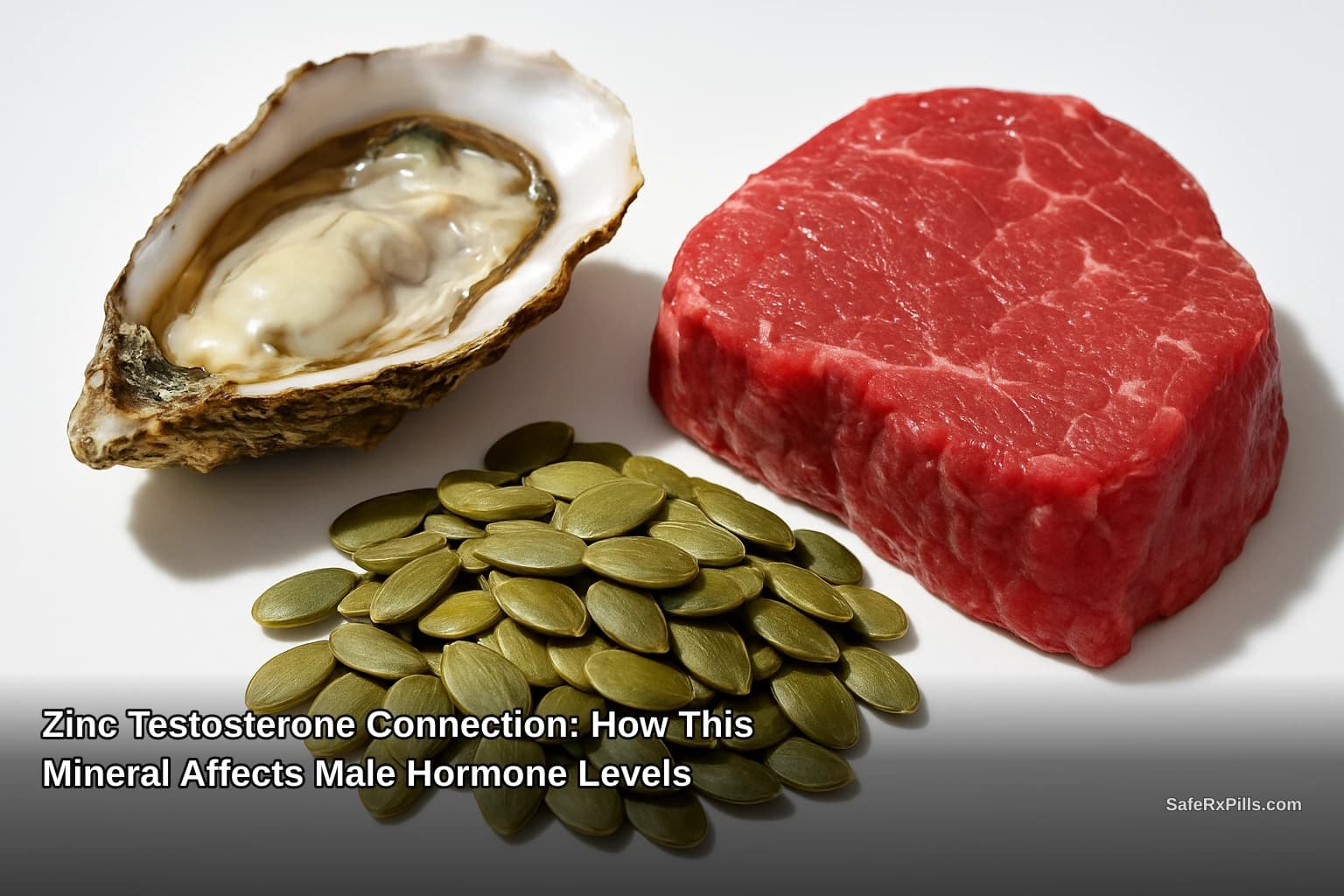
Zinc Testosterone Connection: How This Mineral Affects Male Hormone Levels | SafeRxPills - pharmacy guide
In this article (8 sections)
Zinc directly supports testosterone production by activating enzymes in Leydig cells of the testes, where over 95% of male testosterone is made. Men with zinc deficiency show measurably lower testosterone levels, and correcting this deficiency through supplementation can restore normal hormone production within weeks. The connection is straightforward: zinc is an essential cofactor in the biochemical pathway that converts cholesterol into testosterone.
This isn't about turning zinc into a miracle supplement. It won't transform normal testosterone levels into superhuman ones. But if you're deficient, which affects an estimated 12% of American men and up to 40% of elderly men, fixing that deficiency matters significantly for your hormonal health.
Why Zinc Matters for Testosterone Production
Your body uses zinc in over 300 enzymatic reactions. Several of these reactions happen directly in the pathway that produces testosterone. Specifically, zinc activates enzymes in the Leydig cells of your testes, the specialized cells responsible for testosterone synthesis.
Without adequate zinc, these enzymes work inefficiently. Testosterone production slows down. Studies measuring this effect show that men placed on zinc-restricted diets (less than 2mg daily) experience a 75% drop in serum testosterone within 20 weeks. That's dramatic.
Zinc also inhibits the aromatase enzyme, which converts testosterone into estrogen. When zinc levels drop, aromatase activity increases, meaning more of your existing testosterone gets converted into estradiol. You end up with a double hit: reduced production and increased conversion to estrogen.
The mineral also plays a role in maintaining healthy sperm production. Men seeking to address erectile dysfunction often overlook hormonal factors like testosterone, focusing only on treatments like Super Vidalista or Fildena. While these medications work excellently for blood flow issues, addressing underlying hormonal health creates a more complete picture.
What Research Actually Shows About Zinc and Testosterone
The strongest evidence comes from deficiency correction studies. A 1996 study in Nutrition published data on young men restricted to 1.4mg of zinc daily for 20 weeks. Their baseline testosterone averaged 39.9 nmol/L (normal range). After zinc restriction, levels dropped to 10.6 nmol/L, firmly in the hypogonadal range. When these men received 30mg of zinc supplementation daily, testosterone normalized within 6 months.
Another study focused on elderly men (average age 64) who received 30mg of zinc daily for 6 months. Their baseline testosterone averaged 8.3 nmol/L. After supplementation, levels rose to 16 nmol/L, nearly doubling. These weren't athletes or bodybuilders seeking an edge. These were men with marginal zinc status seeing real hormonal improvements.
Elite wrestlers losing weight through intense training showed similar patterns. A study in Neuroendocrinology Letters found that wrestlers on severe calorie restriction experienced testosterone drops. Those supplementing with 3mg/kg of zinc sulfate daily maintained significantly higher testosterone levels than the placebo group.
The critical finding across all studies: zinc supplementation helps when you're deficient. It doesn't boost testosterone above normal physiological ranges. If your zinc status is already adequate, adding more won't give you higher testosterone. Your body tightly regulates these systems.
How to Know If You're Zinc Deficient
Blood tests can measure zinc levels, but they're imperfect. Serum zinc doesn't always reflect total body stores because zinc concentrations in tissues matter more than blood levels. Normal serum zinc ranges from 70 to 120 mcg/dL, but you can have normal blood levels while still being functionally deficient in tissues.
Clinical symptoms provide better clues. Zinc deficiency typically shows up as:
- Reduced sense of taste and smell (hypogeusia and hyposmia)
- Poor wound healing
- Frequent infections due to impaired immune function
- Hair thinning or loss
- White spots on fingernails
- Skin issues like dermatitis or acne
- Low libido and erectile problems
- Reduced testicular size
Men experiencing multiple symptoms from this list should consider testing. Your doctor can order a serum zinc test, though a better option is measuring red blood cell zinc or conducting a zinc taste test.
Risk factors for deficiency include vegetarian or vegan diets (plant-based zinc absorbs poorly due to phytates), digestive disorders like Crohn's disease or celiac disease, chronic alcohol use, and being over 60 years old. Athletes who sweat heavily also lose significant zinc through perspiration.
How Much Zinc Do You Need for Optimal Testosterone?
The Recommended Dietary Allowance (RDA) for adult men is 11mg daily. This prevents frank deficiency. For supporting testosterone production, research suggests 15-30mg daily provides optimal benefits without risking toxicity.
Here's the dosing breakdown based on your situation:
Prevention (normal zinc status): 11-15mg daily from food and supplements combined. Most men hit this through a balanced diet containing meat, shellfish, and whole grains.
Correction of mild deficiency: 25-30mg daily for 3-6 months. Studies showing testosterone improvements used dosages in this range. After correction, you can reduce to maintenance levels.
Athletes and heavy exercisers: 20-30mg daily accounts for losses through sweat. Endurance athletes can lose 1-2mg of zinc per liter of sweat.
Vegans and vegetarians: 30-40mg daily compensates for reduced absorption from plant sources. Phytic acid in grains and legumes binds zinc and blocks absorption.
Don't exceed 40mg daily long-term. Chronic intake above this level interferes with copper absorption, potentially causing copper deficiency anemia and neurological problems. Some men take 50-100mg thinking more is better. This backfires.
Timing matters less than consistency. Take zinc with food to reduce stomach irritation, but avoid taking it simultaneously with calcium, iron, or copper supplements as they compete for absorption.
Best Food Sources of Zinc for Men
Food should be your primary zinc source. Oysters contain more zinc per serving than any other food, delivering 74mg per 100g serving. Six medium oysters provide 32mg, nearly three times the RDA.
Other excellent sources include:
- Beef (chuck roast): 7mg per 100g
- Crab (Alaska king): 6.5mg per 100g
- Pork chop: 2.9mg per 100g
- Chicken leg: 2.7mg per 100g
- Lobster: 3.4mg per 100g
- Cashews: 5.6mg per 100g
- Chickpeas: 2.5mg per 100g (cooked)
- Pumpkin seeds: 7.6mg per 100g
- Hemp seeds: 10mg per 100g
Animal sources provide zinc in forms your body absorbs more efficiently than plant sources. Bioavailability from meat ranges from 20-40%, while plant sources typically offer 10-15% bioavailability due to phytate content.
Soaking, sprouting, or fermenting plant foods reduces phytic acid and improves zinc absorption. If you rely on plant-based zinc, these preparation methods matter.
Should You Take a Zinc Supplement?
Supplementation makes sense in specific situations. If you're experiencing symptoms of deficiency, eating a restricted diet, or you're an older man with declining testosterone, targeted supplementation provides measurable benefits.
Forms of zinc vary in absorption and tolerability:
Zinc picolinate: Absorbs better than most forms. Studies show 20-25% bioavailability. Good choice for correcting deficiency.
Zinc citrate: Well absorbed and less likely to cause stomach upset than zinc sulfate. About 20% bioavailability.
Zinc gluconate: Common in lozenges and supplements. Moderately well absorbed at 15-18%.
Zinc sulfate: Cheapest form but harder on the stomach. Often causes nausea if taken without food.
Zinc oxide: Poorly absorbed (less than 10%). Found in multivitamins but not ideal for therapeutic use.
Look for supplements providing 15-30mg of elemental zinc. Check the label carefully because zinc compounds list total weight, not elemental zinc content. For example, 50mg of zinc gluconate contains only about 7mg of elemental zinc.
Consider pairing zinc with copper at a 15:1 ratio to prevent copper depletion. If you take 30mg of zinc daily, include 2mg of copper.
Men addressing sexual health concerns often combine nutritional support with medications. Super Kamagra and Shakti Enjofil work on the vascular side of erectile function, while optimizing zinc addresses the hormonal component. Both matter.
Getting Zinc Supplements in the USA Through SafeRxPills
In the United States, zinc supplements are available over-the-counter without prescription. You'll find them in pharmacies, health food stores, and online retailers. Quality varies significantly between brands.
SafeRxPills ships a curated selection of men's health supplements and medications to customers throughout the USA. While we specialize in prescription medications for erectile dysfunction and related conditions, we recognize that complete sexual health involves multiple factors including hormonal balance.
When ordering from SafeRxPills, you get:
- Products sourced from verified manufacturers
- Discreet packaging and shipping to all 50 states
- Competitive pricing compared to traditional pharmacies
- Access to licensed pharmacist consultation
- Secure online ordering with encrypted transactions
Standard shipping within the USA typically takes 7-14 business days. Express options are available for faster delivery. All supplements and medications ship from licensed facilities that comply with FDA regulations and good manufacturing practices.
Pricing for zinc supplements generally ranges from $8-20 for a month's supply depending on the form and dosage. This represents significantly better value than many retail pharmacy prices, particularly when combined with other men's health products.
American men seeking complete solutions for sexual health and hormonal optimization can combine zinc supplementation with proven ED medications. Our platform makes it simple to order both nutritional support and pharmaceutical interventions in one transaction.
Other Lifestyle Factors That Impact Testosterone
Zinc doesn't work in isolation. Your testosterone levels respond to multiple inputs. Optimizing these factors creates synergistic effects.
Sleep quality matters enormously. Men who sleep fewer than 5 hours nightly show testosterone levels 10-15% lower than those sleeping 7-8 hours. Most testosterone production happens during REM sleep. Chronic sleep deprivation directly suppresses testicular function.
Resistance training stimulates testosterone production. Heavy compound lifts (squats, deadlifts, bench press) using 85-95% of your one-rep max trigger acute testosterone spikes. These acute elevations, repeated consistently, support higher baseline levels over time.
Body fat percentage inversely correlates with testosterone. Fat tissue contains aromatase enzyme that converts testosterone to estrogen. Men with over 25% body fat typically show lower testosterone than lean men. Losing excess fat increases testosterone independent of other interventions.
Stress management affects hormonal balance. Chronic cortisol elevation from unmanaged stress suppresses testosterone production. The hypothalamic-pituitary-gonadal axis downregulates when cortisol stays elevated. Meditation, deep breathing, and stress reduction practices measurably improve testosterone in stressed men.
Vitamin D works synergistically with zinc. The vitamin D receptor appears in testicular tissue, and men with vitamin D deficiency (below 20 ng/mL) show lower testosterone. Supplementing with 2000-4000 IU daily raises levels in deficient men.
Men experiencing symptoms of low testosterone alongside diabetes or metabolic syndrome should address both the metabolic issues and consider hormonal optimization. These conditions often intertwine. Improving insulin sensitivity through diet and exercise supports healthier testosterone production.
Disclaimer: This article is for informational purposes only and does not constitute medical advice. Consult with a qualified healthcare professional before starting any supplementation regimen or treatment for hormonal concerns.
Medical References
- PubMed (NCBI) (PMID: 26714360) - 2015
- PubMed (NCBI) (PMID: 15647410) - 2005
- DailyMed (U.S. National Library of Medicine)
- PubMed (NCBI) (PMID: 41076985) - 2025
- PubMed (NCBI) (PMID: 39434848) - 2024
- PubMed (NCBI) (PMID: 9475826) - 1998
- PubMed (NCBI) (PMID: 39153472) - 2025
- PubMed (NCBI) (PMID: 37117102) - 2024
- PubMed (NCBI) (PMID: 30883774) - 2019
Sources: U.S. National Library of Medicine (DailyMed, PubMed), openFDA
Related Products
- Cenforce 100mg (Sildenafil) - FDA-approved active ingredient for ED
- Vidalista 20mg (Tadalafil) - longer-lasting ED treatment
- Kamagra Oral Jelly - fast-dissolving sildenafil format
?Frequently Asked Questions
How long does it take for zinc supplementation to increase testosterone?
Men with confirmed zinc deficiency typically see testosterone improvements within 6-12 weeks of starting 25-30mg daily supplementation. One study showed significant increases after just 6 weeks, while another found peak effects at 6 months. If you're not deficient, you won't see changes because zinc doesn't boost testosterone above normal physiological ranges.
Can you take too much zinc for testosterone?
Yes. Dosages above 40mg daily long-term cause copper deficiency, which creates its own health problems including anemia and neurological issues. Very high doses (150mg+) can actually suppress immune function and interfere with iron absorption. Stick to 15-30mg daily for testosterone support. More doesn't equal better results.
Does zinc increase testosterone in women?
Zinc deficiency lowers testosterone in women just as it does in men, though women produce far less testosterone overall. Correcting deficiency restores normal levels, which may improve libido, energy, and muscle maintenance. Women should use lower dosages (8-15mg daily) since their RDA is lower than men's and excessive zinc can disrupt other hormonal systems.
What blocks zinc absorption and lowers testosterone?
Phytic acid in grains and legumes binds zinc and prevents absorption. Calcium and iron supplements compete with zinc for uptake. Chronic alcohol consumption depletes zinc stores. Proton pump inhibitors (PPIs) for acid reflux reduce zinc absorption. If you take any of these, you may need higher zinc intake to compensate.
Is zinc as effective as testosterone replacement therapy?
No. Zinc supplementation only helps if you're deficient. It restores normal testosterone production, not supraphysiological levels. Testosterone replacement therapy (TRT) delivers hormones directly, raising levels well above what your body produces naturally. If you have clinically diagnosed hypogonadism (testosterone below 300 ng/dL confirmed on multiple tests), you need medical treatment, not just zinc supplements. Think of zinc as preventive maintenance, not treatment for diagnosed hormone deficiency.
SafeRxPills Pharmacy Team
SafeRxPills Editorial Team
Editorial team at SafeRxPills. Articles are written and checked against regulatory drug labelling (DailyMed, FDA, EMA) and published literature.
Comments (0)
Leave a Comment
No comments yet. Be the first to share your thoughts!
Related Articles

Diabetes and Erectile Dysfunction: Understanding the Connection and Treatment Options
April 30, 2026
Foods That Increase Sperm Count: A Science-Backed Nutrition Guide for Male Fertility
June 6, 2026