
Cynomycin 100mg
Generic: Minocyclineby Pfizer India Ltd
Similar medicines
View all
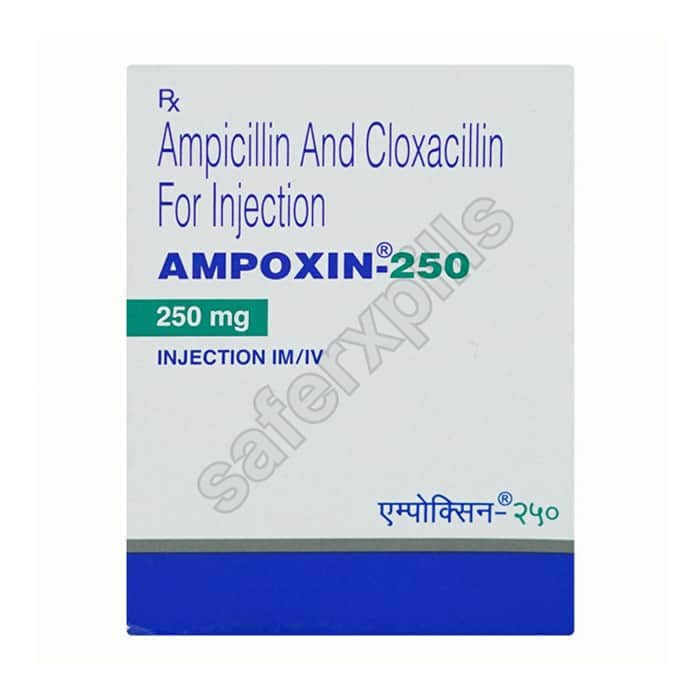
About Cynomycin 100mg
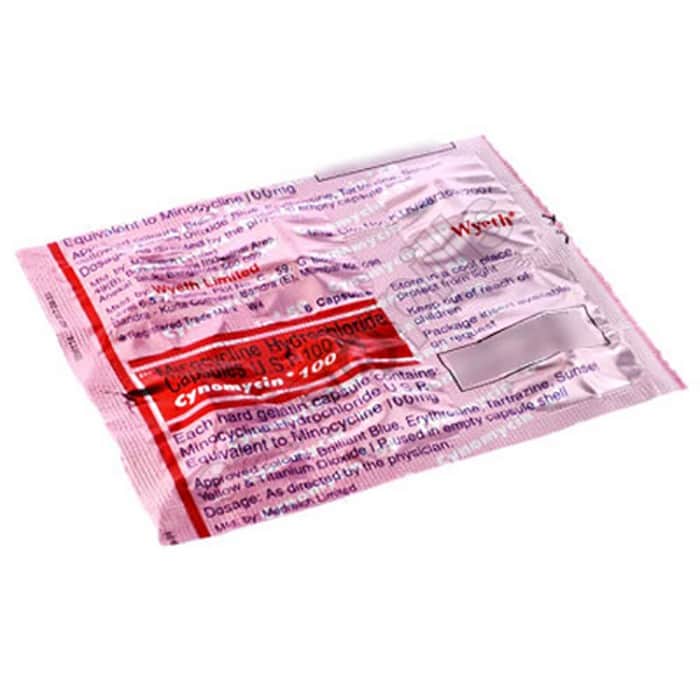
Cynomycin 100mg is a minocycline capsule sold in India by Pfizer Limited, Pfizer's Indian company. Each capsule contains minocycline hydrochloride equivalent to 100 mg of minocycline, a tetracycline antibiotic. We sell it in packs of 28, 56 and 84 capsules, from $2.53 a capsule in the largest pack.
Four things before you read further. First, an antibiotic needs a diagnosis: the US label says minocycline should be used only for infections that are proven or strongly suspected to be caused by bacteria. Second, in our experience, most people who look for minocycline online want it for acne, and for acne the main guidelines prefer other tetracyclines: NHS England advises GPs in England not to start minocycline for acne, and NICE recommends lymecycline or doxycycline, and its explanation says they have a lower risk of side effects than minocycline. We explain why below. Third, minocycline can cause rare but serious reactions, including a lupus-like illness, liver injury and lasting skin or tooth discolouration; the labels say some are more common on longer courses and ask for monitoring on courses beyond six months. Fourth, this pack costs far more than US generic minocycline and more than other minocycline products we sell. This page uses Pfizer's Indian prescribing information for Cynomycin (July 2026), the current US label for minocycline capsules, the UK labels for minocycline modified-release capsules and the NICE acne guideline, all listed at the end.
Cynomycin 100mg at a glance
| Active ingredient | Minocycline 100 mg (as minocycline hydrochloride) per hard gelatin capsule |
| Brand and maker | Cynomycin, marketed by Pfizer Limited, Mumbai; Pfizer's leaflet names Steril-Gene Life Sciences, Pondicherry, as the manufacturer |
| Drug class | Tetracycline antibiotic, mainly bacteriostatic (it stops bacteria multiplying) |
| Regulatory status | Minocycline is licensed in the US, UK, Canada and Australia, but this Indian Cynomycin pack is not registered with the FDA, MHRA, TGA or Health Canada. Prescription only in all four countries and in India |
| Usual adult dose (labels) | 200 mg first, then 100 mg every 12 hours; for acne, Pfizer's leaflet says "100 mg daily given twice a day" |
| Half-life | About 16 hours (Pfizer); 11.1 to 22.1 hours, average 15.5, in 18 healthy volunteers (US label) |
| Packs | 28, 56 and 84 capsules (Indian strips hold 4 capsules) |
| Price per capsule | $4.29 (28 pack) down to $2.53 (84 pack), before shipping |
| Delivery | 7 to 14 business days to the US, UK, Australia and Canada; $25 shipping under $149, free from $149 |
Price per capsule
Prices below are as of October 2026; the pack selector shows the current price.
| Pack | Price | Per capsule | Shipping | Per capsule with shipping |
|---|---|---|---|---|
| 28 capsules | $120.00 | $4.29 | $25 | $5.18 |
| 56 capsules | $181.25 | $3.24 | Free | $3.24 |
| 84 capsules | $212.50 | $2.53 | Free | $2.53 |
The larger packs are cheaper per capsule before shipping as well as after it. We will be plain about value: Cynomycin 100 is one of the dearest ways to buy minocycline on this site. Two capsules of Minoz 50mg (Sun Pharma) cost $1.96 to $2.53 for 100 mg before shipping, and two capsules of Cynomycin 50mg cost $2.33 to $3.47; this is our arithmetic from the October 2026 prices.
How long does a pack last at the label dose? The usual adult dose in the US label and Pfizer's leaflet is 200 mg first, then 100 mg every 12 hours. At that dose, our arithmetic is that 28 capsules cover about 13 days, 56 about 27 days and 84 about 41 days. Several of the label's own courses are much shorter: 100 mg every 12 hours for 5 days (10 capsules) for gonococcal urethritis in men or the meningococcal carrier state, and for at least 7 days (at least 14 capsules) for chlamydia or ureaplasma infections. So even our smallest pack is larger than the shortest of those courses. Please do not keep leftover capsules to treat yourself next time: the US label says unused supplies of tetracycline antibiotics "should be discarded by the expiration date", and a new infection needs a new diagnosis.
Compared with US generic minocycline
| Cynomycin 100mg | Minocycline 100 mg capsule (US generic) | Doxycycline hyclate 100 mg capsule (US generic) | |
|---|---|---|---|
| Contents | Minocycline 100 mg | Minocycline 100 mg | Doxycycline 100 mg |
| Maker | Pfizer Limited, India | For example Teva, Aurobindo, Zydus | Several US generic makers |
| Status | Not registered with the FDA, MHRA, TGA or Health Canada | FDA approved, prescription only | FDA approved, prescription only |
| Cost per capsule | $2.53 to $4.29 before shipping | $0.33 (NADAC) | $0.11 (NADAC) |
NADAC is the US National Average Drug Acquisition Cost: what US pharmacies pay for a medicine, not the cash price you pay at the counter. The figures above are the per-NDC rows effective 21 October 2026: $0.33466 for all nine minocycline 100 mg capsule rows and $0.10794 for doxycycline hyclate 100 mg capsules. The brand Minocin capsule (Bausch) is still listed by the FDA, but the NADAC file has no Minocin row. Our price per capsule is about 8 to 13 times what US pharmacies pay for generic minocycline. If you are in the US and a doctor prescribes minocycline, a local generic with a prescription is the regulated route and will almost certainly cost less; compare US generic cash prices first.
Which strength to choose
| Product | Per capsule | How it fits the labels | Price per capsule (before shipping) |
|---|---|---|---|
| Cynomycin 50mg (Pfizer) | Minocycline 50 mg | On our reading, fits Pfizer's acne dose ("100 mg daily given twice a day") as one capsule twice a day; the US label also allows two or four 50 mg capsules first, then one 50 mg capsule 4 times daily | $1.17 to $1.73 |
| Cynomycin 100mg (Pfizer) | Minocycline 100 mg | The usual adult dose for infections: two capsules first, then one every 12 hours | $2.53 to $4.29 |
| Minoz 50mg (Sun Pharma) | Minocycline 50 mg | Same uses as Cynomycin 50mg | $0.98 to $1.27 |
Pfizer's leaflet gives the acne dose as "100 mg daily given twice a day". We read that as 100 mg a day in total, split into two doses, which would be one 50 mg capsule twice a day; a 100 mg capsule cannot give that, because the US label says the capsules should be swallowed whole. Ask your prescriber which they mean. For any use, Pfizer's leaflet says the total daily dose should not exceed 400 mg in 24 hours, and the US label warns in capitals that exceeding the recommended dosage may result in an increased incidence of side effects. Never take more than your prescriber set.
Is minocycline the right antibiotic?
For acne. The US label and Pfizer's leaflet say only that "In severe acne, minocycline may be useful adjunctive therapy", meaning an add-on to other acne treatment. The guidelines go further:
- NHS England lists minocycline for acne among the items that should not routinely be prescribed in primary care. Its advice to GPs is "Do not initiate" and to deprescribe it in people already taking it. It quotes NICE: "Minocycline is not recommended for use in acne as it is associated with an increased risk of adverse effects", such as drug-induced lupus, skin pigmentation and hepatitis. (That sentence does not appear in NICE's current acne guideline, NG198, whose recommendations do not name minocycline.)
- NICE NG198 (the acne guideline for England, last updated August 2026) recommends oral lymecycline or oral doxycycline, always combined with a topical treatment such as adapalene with benzoyl peroxide, or azelaic acid. Its explanation says lymecycline and doxycycline "have a lower risk of side effects than minocycline (which may, for example, be associated with lupus erythematosus, hepatitis and pigmentation)". NICE also says: do not use an oral antibiotic on its own for acne; review at 12 weeks; and only continue an antibiotic for more than 6 months "in exceptional circumstances".
- American Academy of Dermatology (2024 guideline, PMID 38300170): a strong recommendation for oral doxycycline and a conditional recommendation for oral minocycline, with good practice statements to limit systemic antibiotic use and to combine systemic antibiotics with topical therapies.
- Cochrane review (Garner 2012, PMID 22895927; 39 trials, 6,013 participants): minocycline works for moderate to moderately severe inflammatory acne, but "there is still no evidence that it is superior to other commonly-used therapies"; the review found "no reliable evidence to justify the reinstatement of its first-line use". It put the risk of lupus at 8.8 cases per 100,000 person-years and said the risk of autoimmune reactions rises with duration of use.
Our view: for acne, ask your doctor about doxycycline or lymecycline first, together with a topical treatment. We sell Involym 408mg (lymecycline, $1.01 to $1.27 a capsule before shipping) and the topical partners NICE names, such as Epiduo Gel (adapalene with benzoyl peroxide) and Aziderm 20% (azelaic acid). Our doxycycline vs minocycline guide compares the two in detail. If a dermatologist who knows your history chooses minocycline, follow their plan, including any blood tests.
For infections. The labels list many infections, from rickettsial fevers and Mycoplasma chest infections to chlamydia. The US label also says "Minocycline is not the drug of choice in the treatment of any type of staphylococcal infection", and Pfizer's leaflet says almost all Streptococcus pyogenes strains are resistant, so it "should not be used for streptococcal disease unless the organism has been demonstrated to be susceptible". Several uses depend on laboratory tests: the labels name some bacteria only "when bacteriologic testing indicates appropriate susceptibility". For sexually transmitted infections the US label asks for post-treatment cultures after gonorrhoea, close follow-up with laboratory tests for syphilis, and a syphilis test before treating any venereal disease where syphilis may coexist. None of that can happen with capsules bought online, and our delivery takes 7 to 14 business days. If you have symptoms of an infection now, see a doctor or a sexual health clinic locally.
How to take Cynomycin 100mg
- Take it only as prescribed, for the length of time prescribed. Pfizer's leaflet says the duration "is guided by the severity of the infection and the patient's clinical and bacteriological progress".
- Usual adult dose (US label and Pfizer): 200 mg (two capsules) first, then 100 mg (one capsule) every 12 hours. Children above 8 years: 4 mg/kg first, then 2 mg/kg every 12 hours, not more than the adult dose; a child's dose must be set by their doctor.
- Swallow the capsule whole with plenty of water. Pfizer says at least about one glass, particularly if taken immediately before going to bed; the US label says most people who had food pipe inflammation or ulcers took their dose immediately before going to bed. The UK Minocin MR label says to swallow it while sitting or standing. We suggest not lying down straight after a dose.
- Food: the labels differ. Pfizer's leaflet for Cynomycin says absorption may be impaired by food, milk and other dairy products, as well as by aluminium, calcium, magnesium and iron. The US label for its own minocycline capsules says they may be taken with or without food, because a high fat meal including dairy did not change how much was absorbed. For Cynomycin, follow Pfizer's leaflet or your prescriber, and keep antacids, iron and mineral supplements away from your dose; the UK Minocin MR label suggests at least 3 hours before or after.
- If you forget a dose, take it as soon as you remember (US patient information). Do not take two doses at once to catch up; that is our advice.
- Take the whole course you were prescribed, even if you feel better early. The US label says skipping doses or stopping early may make treatment less effective and make resistance more likely.
- Protect your skin from the sun and avoid sunlamps and tanning beds; stop and call your doctor if your skin turns red (US patient information).
Lower doses and extra care for some groups
- Kidney problems: the US label and Pfizer's leaflet say the total daily dose should not exceed 200 mg in 24 hours. The usual first day (200 mg, then 100 mg 12 hours later) adds up to 300 mg in the first 24 hours, so a prescriber has to set a different schedule; this is our arithmetic. The US label also asks for blood urea and creatinine to be monitored. The UK Minocin MR label makes complete kidney failure a contraindication.
- Liver problems: all three labels say minocycline should be used with caution in people with liver problems and with other medicines that can harm the liver. The UK Minocin MR label adds alcohol, and says drinking should stay within government limits.
- Older people: dose selection "should be cautious, usually starting at the low end of the dosing range" (US label, Pfizer).
- Longer courses: the labels ask for periodic blood tests of blood cells, kidney and liver function. The UK modified-release labels limit acne treatment to six months where possible and, beyond that, ask for checks at least every three months for hepatitis, lupus and unusual pigmentation.
- Myasthenia gravis: the UK Minocin MR label advises caution, because tetracyclines can cause weak neuromuscular blockade.
Side effects
None of the three labels gives side effect percentages from controlled trials. The UK Minocin MR label groups effects by how often they were reported:
| How often (UK Minocin MR label 4.8) | Selected side effects |
|---|---|
| Common (1 in 100 to 1 in 10) | Dizziness (light-headedness) |
| Uncommon | Fever |
| Rare | Headache, vertigo, numbness or tingling, intracranial hypertension; impaired hearing, tinnitus; nausea, vomiting, diarrhoea, mouth inflammation, tooth discolouration (including in adults); raised liver enzymes, hepatitis; rash, itching, hives, photosensitivity, hair loss, skin hyperpigmentation; joint and muscle pain, lupus-like syndrome; low white cell or platelet counts; acute kidney failure; anaphylaxis |
| Very rare | Liver failure (including deaths), jaundice; Stevens-Johnson syndrome, toxic epidermal necrolysis, exfoliative dermatitis; nail pigmentation; inflamed or ulcerated food pipe, pancreatitis, pseudomembranous colitis; thyroid discolouration and abnormal thyroid function; lupus (new or worse) |
| Not known | Agranulocytosis, autoimmune hepatitis, convulsions, pneumonitis, polyarteritis nodosa |
This table is selected from the UK label, which lists more effects. Dizziness, light-headedness and vertigo can affect driving: the US label says people who have them should be cautioned about driving or using hazardous machinery. The UK Minocin MR label lists headache, light-headedness, dizziness, tinnitus and vertigo, with the note "more common in women", and says patients should be warned about driving or operating machinery. The US label adds that tinnitus and decreased hearing have been reported, and that thyroid cancer has been reported after marketing; it says monitoring for signs of thyroid cancer should be considered with prolonged treatment. Pfizer's leaflet says a causal relationship with thyroid cancer has not been established.
Discolouration. The UK Minocin MR label says minocycline can colour the skin, nails, teeth, mouth, bones, thyroid, eyes, sweat, tears and breast milk blue, black, grey or muddy brown. The UK Minocin MR label says it "may present regardless of dose or duration of therapy but develops more commonly during long term treatment"; it is often reversible after stopping, "although it may take several months or may persist in some cases". It asks patients to report any unusual pigmentation without delay, and says the medicine should then be stopped. In children under 8 (US label) or under 12 (UK label), and in the second half of pregnancy, tetracyclines can permanently discolour developing teeth.
Serious syndromes. The US and UK labels describe three syndromes in which some patients died, and say the drug should be stopped immediately if any is recognised: a hypersensitivity syndrome (rash or peeling skin, raised eosinophils and inflammation of the liver, lungs, kidneys or heart, sometimes with fever and swollen glands), a lupus-like syndrome (positive antinuclear antibody, joint pain or swelling, with fever, muscle pain, hepatitis, rash or vasculitis) and a serum sickness-like syndrome. The US label says drug rash with eosinophilia and systemic symptoms (DRESS), including fatal cases, has been reported. Pfizer's leaflet says the lupus-like syndrome and polyarteritis nodosa (a blood vessel disease) have been reported especially in patients on long-term maintenance therapy, for example more than 6 months, for skin conditions.
Raised pressure around the brain. The US label says intracranial hypertension can cause headache, blurred vision, double vision and vision loss, that women of childbearing age who are overweight or have had it before are at greater risk, and that although it usually resolves after stopping, permanent visual loss is possible. Pressure can stay raised for weeks after the last dose.
Like other antibiotics, minocycline can cause C. difficile diarrhoea, which the US label says may range from mild diarrhoea to fatal colitis and has been reported more than two months after a course.
When to get urgent help
The US patient information says to stop minocycline and call your doctor if you have watery diarrhoea, bloody stools, stomach cramps, unusual headaches, blurred vision, fever, rash, joint pain, feeling very tired or swollen lymph nodes. Get medical help straight away if you have:
- Swelling of the face, lips, tongue or throat, trouble breathing or swallowing, wheezing or hives. All three labels say anaphylaxis, including shock and deaths, has been reported, and Pfizer's leaflet says to seek immediate medical attention. Call emergency services (911 in the US and Canada, 999 in the UK, 000 in Australia).
- Blistering, peeling or spreading rash, sores in the mouth, eyes or genitals, many small pustules, or a rash with fever and swollen glands. These can be signs of Stevens-Johnson syndrome, toxic epidermal necrolysis, acute generalised exanthematous pustulosis or DRESS, and the labels say to stop minocycline at once.
- A severe or unusual headache with blurred or double vision, loss of vision or vomiting. The US label says visual disturbance needs prompt eye examination; we suggest you get it the same day.
- Yellow skin or eyes, dark urine, pain in the upper right of the belly or unusual tiredness, which can be signs of liver injury.
- Joint pain or swelling with fever, rash or muscle pain, which can be signs of the lupus-like or serum sickness-like syndromes.
- Watery or bloody diarrhoea, with or without stomach cramps and fever, during the course or up to two months or more afterwards.
- Unusual bruising or bleeding, fever with a sore throat, or mouth ulcers, which can be signs of a blood problem.
- Chest pain, a new cough or breathlessness: the labels list myocarditis, pericarditis and pneumonitis.
- Taking too many capsules: the US patient information says to call your doctor or a poison control centre right away. Overdose mainly causes dizziness, nausea and vomiting, and there is no specific antidote.
Tell the emergency staff that you took minocycline, how much and when.
Who should not take Cynomycin 100mg
Never take it if you have ever had an allergic reaction to minocycline, any other tetracycline (such as doxycycline, lymecycline or oxytetracycline) or any ingredient of the capsule. This is the only contraindication in the US label and Pfizer's leaflet. The UK Minocin MR label also makes pregnancy, breastfeeding, children under 12 and complete kidney failure contraindications.
The labels say it should not be used, should be avoided or is not recommended:
- during tooth development, which is the second half of pregnancy, infancy and childhood up to age 8: the US label says tetracyclines "should not be used during tooth development unless other drugs are not likely to be effective or are contraindicated". The US patient information says minocycline is not recommended for pregnant women or children under 8, because it may harm an unborn baby and may permanently turn a child's teeth yellow, grey or brown. If you become pregnant while taking it, stop and call your doctor.
- while breastfeeding: minocycline passes into breast milk. The US patient information says you and your doctor should decide whether you take it or breastfeed, and "You should not do both."
- with isotretinoin (for example the Indian brands Isotroin and Accufine): the labels say isotretinoin should be avoided shortly before, during and shortly after minocycline, because each drug alone has been associated with raised pressure around the brain (pseudotumor cerebri). Pfizer's leaflet adds other systemic retinoids and retinol. Our isotretinoin guide covers how acne treatment is usually sequenced.
- with a penicillin: the labels say it is advisable to avoid giving tetracycline-class drugs with penicillin, because they may interfere with how penicillin kills bacteria.
Talk to a doctor first if:
- you have liver or kidney problems, or drink alcohol regularly
- you have lupus or another autoimmune disease: the UK Minocin MR label says lupus may get worse
- you have had raised pressure around the brain (idiopathic intracranial hypertension), or you are a woman of childbearing age who is overweight (US label risk group)
- you have myasthenia gravis
- you are planning a pregnancy: NICE says oral tetracyclines are contraindicated when planning a pregnancy, as well as during it
- you are 65 or over
- you take any of the medicines in the next section
Medicines that interact with minocycline
- Blood thinners (anticoagulants such as warfarin): tetracyclines can depress plasma prothrombin activity, so the anticoagulant dose may need to be lowered (US, UK and Pfizer).
- Penicillins: avoid together (see above).
- Antacids and minerals: aluminium, calcium and magnesium antacids and iron preparations reduce absorption (all labels). The UK Minocin MR label adds zinc and bismuth salts, and quinapril tablets, which contain magnesium carbonate.
- Contraceptive pills: the US label and Pfizer's leaflet say tetracyclines may make oral contraceptives less effective. The UK Minocin MR label says that if diarrhoea or breakthrough bleeding occurs there is a possibility of contraceptive failure. Ask your doctor about extra contraception.
- Isotretinoin, other systemic retinoids and retinol: avoid shortly before, during and shortly after minocycline.
- Ergot alkaloids (some migraine medicines): increased risk of ergotism (US label, Pfizer).
- Diuretics: may worsen kidney toxicity through fluid loss (UK Minocin MR label).
- Medicines that can harm the liver, and alcohol: use with caution (labels).
- Laboratory tests: minocycline can falsely raise urine catecholamine results on the fluorescence test.
Tell your doctor or pharmacist about every medicine and supplement you take before you start.
Prescription and legal status
Minocycline is a prescription antibiotic in every country we ship to, and this Indian Cynomycin pack is not registered with the FDA, MHRA, TGA or Health Canada.
- US: generic minocycline capsules are FDA approved and "Rx only"; the Minocin capsule (Bausch) is still listed by the FDA. The FDA says personal importation of unapproved medicines is illegal in most circumstances.
- UK: the UK medicines compendium lists two minocycline products, Minocin MR and Acnamino MR 100 mg modified-release capsules, both prescription-only medicines licensed for acne. The compendium is not the full MHRA register. NHS England advises GPs in England not to start minocycline for acne.
- Canada: Health Canada's drug database lists AA Pharma minocycline 50 mg and 100 mg capsules as marketed prescription medicines.
- Australia: healthdirect lists Akamin and Minomycin; Minomycin 50 mg tablets are Schedule 4 (Prescription Only Medicine), and the PBS lists minocycline 50 mg tablets as a restricted benefit for severe acne.
- India: Pfizer's leaflet is "For the use only of Registered Medical Practitioner or a Hospital or a Laboratory", and Tata 1mg, PharmEasy and Apollo Pharmacy mark Cynomycin 100 as prescription required.
Antibiotics should be taken only for an infection or condition a clinician has diagnosed, at the dose and for the length of time prescribed. Check the rules where you live.
Buying genuine Cynomycin
The MHRA warns: "Any medicine not authorised for sale in the UK can be unsafe or ineffective and there is no way of knowing what is in them or the negative health effects they can have." That warning covers this Indian Cynomycin pack. The MHRA advises UK buyers to "Only use UK-registered pharmacies, including online pharmacies displaying the official green cross logo". When your order arrives, read the strip: it should say Cynomycin and minocycline 100 mg, name Pfizer Limited as the marketer and show a batch number and an expiry date. Pfizer's leaflet and the PharmEasy and Apollo listings describe strips of 4 capsules. Pfizer's leaflet names Steril-Gene Life Sciences as the manufacturer, while PharmEasy shows a Medreich address, so the manufacturer line may vary. Pfizer's leaflet says to store the capsules protected from light and moisture, not above 30 C. These checks cannot prove that capsules are genuine, because counterfeiters copy packaging. If a batch causes unusual symptoms, seek medical advice and report it to your medicines regulator (the MHRA Yellow Card scheme in the UK, FDA MedWatch in the US, the TGA in Australia or Health Canada) as well as to us.
Delivery
We ship Cynomycin 100mg to the US, UK, Australia and Canada in plain packaging with tracking. Standard delivery takes 7 to 14 business days to most countries. Shipping costs a flat $25 on orders under $149 and is free from $149. An infection cannot wait two weeks for capsules to arrive, so if you have symptoms now, see a doctor or pharmacist locally. See our shipping page and refund policy.
Related guides
- Doxycycline vs minocycline: same results, different risks
- Doxycycline for acne: dose, duration, and why it never works alone
- Isotretinoin for acne: results, dosing, relapse, side effects and the pregnancy rules
- Antibiotic resistance: when antibiotics do not work and what you can do
Other strength: Cynomycin 50mg.
Sources
- Pfizer Limited. CYNOMYCIN capsules (minocycline capsules I.P.) 100 mg and 50 mg, prescribing information, LPDMIN072026, date of revision July 2026: sections 2, 4.1 to 4.9, 5.2, 5.3, 8.3, 8.4, 9, 10. Pfizer
- Minocycline hydrochloride capsules USP, Teva (Actavis Pharma), US prescribing information and patient information, Rev. C 6/2025 (DailyMed setid a5fc4d50-50b2-46e0-b722-4c6b2ec47d06, version 24): indications, contraindications, warnings, precautions, adverse reactions, overdosage, dosage and administration, clinical pharmacology. DailyMed
- Minocin MR 100 mg modified release capsules, Viatris, UK summary of product characteristics, last updated on emc 21 October 2025: sections 4.1 to 4.9. emc
- Acnamino MR 100 mg capsules, Dexcel, UK summary of product characteristics, last updated on emc 25 March 2026: sections 4.1, 4.2. emc
- NICE guideline NG198. Acne vulgaris: management. Published 25 June 2021, last updated 3 August 2026: recommendations 1.5.8, 1.5.11 to 1.5.13, table 1, and the rationale on first-line treatment options. NICE
- NHS England. Items which should not routinely be prescribed in primary care: policy guidance, entry for minocycline for acne. NHS England
- Reynolds RV et al. Guidelines of care for the management of acne vulgaris. Journal of the American Academy of Dermatology 2024. PMID 38300170.
- Garner SE et al. Minocycline for acne vulgaris: efficacy and safety. Cochrane Database of Systematic Reviews 2012. PMID 22895927.
- Medicaid NADAC (National Average Drug Acquisition Cost), per-NDC rows for minocycline 100 mg capsules and doxycycline hyclate 100 mg capsules, effective 21 October 2026. data.medicaid.gov
- US Food and Drug Administration, openFDA drug approvals, searched for minocycline and Minocin on 21 October 2026.
- Health Canada Drug Product Database, minocycline products and status, searched 21 October 2026. Health Canada
- healthdirect Australia, medicines containing minocycline and the Minomycin brand page; PBS item 1616C, minocycline 50 mg tablet, checked 21 October 2026. healthdirect, PBS
- Tata 1mg, PharmEasy and Apollo Pharmacy listings for Cynomycin 100 capsule, checked 21 October 2026.
- MHRA. 20 million illegal erectile dysfunction pills seized as MHRA warns against risky online buys, 13 February 2026. GOV.UK
- US Food and Drug Administration. Personal Importation. FDA
This page is for information and is not medical advice. Minocycline is a prescription antibiotic in India, the US, the UK, Canada and Australia. Take it only for a condition a clinician has diagnosed, and do not start, stop or change an antibiotic course without a clinician's advice.
Frequently asked questions
What is Cynomycin 100mg?
Cynomycin 100mg is a minocycline capsule sold in India by Pfizer Limited. Each capsule contains minocycline hydrochloride equivalent to 100 mg of minocycline, a tetracycline antibiotic. The labels list many bacterial infections, and say that in severe acne minocycline may be useful adjunctive therapy. It is a prescription medicine in India, the US, the UK, Canada and Australia.
Is Cynomycin 100mg the same as US generic minocycline?
It contains the same active ingredient at the same strength as US generic minocycline 100 mg capsules, and Pfizer's Indian leaflet gives the same usual adult dose. But this Indian pack is not registered with the FDA, MHRA, TGA or Health Canada, and we have not seen a study comparing it with a US product. The leaflets also differ on food: Pfizer says food, milk and dairy may impair absorption, while the US label for its own capsules says they may be taken with or without food.
What does Cynomycin 100mg cost per capsule?
As of October 2026, $4.29 a capsule in the 28 pack, $3.24 in the 56 pack and $2.53 in the 84 pack, before shipping; the pack selector shows the current price. Shipping is $25 under $149 and free from $149. US pharmacies pay about $0.33 a capsule for generic minocycline 100 mg (NADAC, 21 October 2026), so a US generic with a prescription will almost certainly cost less. On our site, two Minoz 50mg capsules cost $1.96 to $2.53 for 100 mg before shipping, against $2.53 to $4.29 for one Cynomycin 100mg.
How do I take Cynomycin 100mg?
Only as prescribed. The usual adult dose in the US label and Pfizer's leaflet is 200 mg (two capsules) first, then 100 mg every 12 hours. Swallow each capsule whole with at least a glass of water, and we suggest not lying down straight after a dose. Keep antacids, iron and mineral supplements away from your dose. Pfizer's leaflet says food, milk and dairy may impair absorption. Finish the course you were prescribed.
Should I choose Cynomycin 50mg or 100mg?
That is your prescriber's decision. Pfizer's leaflet gives the acne dose as 100 mg daily given twice a day, which we read as one 50 mg capsule twice a day, so Cynomycin 50mg fits it and a 100 mg capsule does not. The 100 mg capsule fits the usual adult dose for infections: two capsules first, then one every 12 hours. Ask your prescriber which dose they mean.
How long does a pack last?
At the usual label dose of 200 mg first, then 100 mg every 12 hours, our arithmetic is about 13 days for 28 capsules, 27 days for 56 and 41 days for 84. Several label courses are shorter: 5 days (10 capsules) for gonococcal urethritis in men and at least 7 days (at least 14 capsules) for chlamydia or ureaplasma infections. Do not keep leftovers for a future infection; the US label says unused supplies should be discarded by the expiration date.
Is minocycline a good choice for acne?
For most people, guidelines prefer another tetracycline. NHS England advises GPs in England not to start minocycline for acne. NICE recommends lymecycline or doxycycline, which it says have a lower risk of side effects than minocycline, always with a topical treatment, reviewed at 12 weeks and used beyond 6 months only in exceptional circumstances. The American Academy of Dermatology gives doxycycline a strong recommendation and minocycline a conditional one. A 2012 Cochrane review found no evidence that minocycline works better than other common acne treatments.
What are the side effects of Cynomycin 100mg?
Dizziness or light-headedness is listed as common in the UK Minocin MR label; vertigo, headache, nausea, sun sensitivity and rash also occur. Rare but serious effects in the labels include blue, grey or brown discolouration of skin, nails or teeth, a lupus-like syndrome, liver injury (including deaths from liver failure), serious skin reactions and DRESS, raised pressure around the brain with headache and vision changes, and C. difficile diarrhoea. Stop and call your doctor if you get watery or bloody diarrhoea, unusual headaches, blurred vision, fever, rash, joint pain or swollen lymph nodes.
Who should not take Cynomycin 100mg?
Never take it if you are allergic to minocycline, any other tetracycline or any ingredient of the capsule. The US label says tetracyclines should not be used during tooth development (the second half of pregnancy and childhood up to age 8) unless other drugs are not likely to be effective or are contraindicated, and the UK Minocin MR label makes pregnancy, breastfeeding, children under 12 and complete kidney failure contraindications. Avoid it with isotretinoin and penicillins. Talk to a doctor first about liver or kidney problems, lupus, myasthenia gravis or blood thinners.
Do I need a prescription for Cynomycin 100mg?
Minocycline is a prescription antibiotic in the US, the UK, Canada and Australia, and Tata 1mg, PharmEasy and Apollo Pharmacy mark Cynomycin 100 as prescription required in India. This Indian pack is not registered with the FDA, MHRA, TGA or Health Canada. The FDA says personal importation of unapproved medicines is illegal in most circumstances, and the MHRA advises UK buyers to use only UK-registered pharmacies. Check the rules where you live.
How long does delivery take?
Standard delivery takes 7 to 14 business days to the US, UK, Australia and Canada, in plain packaging with tracking. Shipping is a flat $25 on orders under $149 and free from $149. An infection cannot wait two weeks, so if you have symptoms now, see a doctor or pharmacist locally.
Medical References
Sources: U.S. National Library of Medicine (DailyMed, PubMed), openFDA
Related articles
Doxycycline vs Minocycline: Same Results, Different Risks
Doxycycline and minocycline produce comparable results in acne, so the choice is a safety trade off rather than an efficacy one. Cochrane found no evidence minocycline is superior and more severe adverse effects than doxycycline, including drug induced lupus at 8.8 cases per 100,000 person years. Full side by side on vestibular effects, pigmentation, photosensitivity, renal dosing and cost.
Read article
Brand vs Generic Drug Prices: What US Pharmacies Pay for Viagra, Cialis, Latisse and More (NADAC, October 2026)
CMS NADAC data for the week of 28 October 2026 shows what US pharmacies pay for brand and generic versions of Viagra, Cialis, Propecia, Latisse, Lumigan and Stromectol. Generic ED and hair loss tablets cost under 2% of the brand price, while eye and lash generics cost 42% to 65%. Includes 2026 trends, supplier counts and the full method.
Read article
Buy Amaryl (Glimepiride) Online: Dosing, Hypoglycaemia Risk and What to Verify First
Amaryl is brand name glimepiride, a sulfonylurea that lowers blood sugar effectively and cheaply but carries real hypoglycaemia risk. Dosing, the CAROLINA trial evidence, interactions, and what to verify before ordering online.
Read articleCustomer Reviews
No reviews yet. Bought Cynomycin 100mg? Tell other buyers how it went.