
Jardiance 10mg
Generic: Empagliflozinby Boehringer Ingelheim India Pvt.Ltd
Similar medicines
View all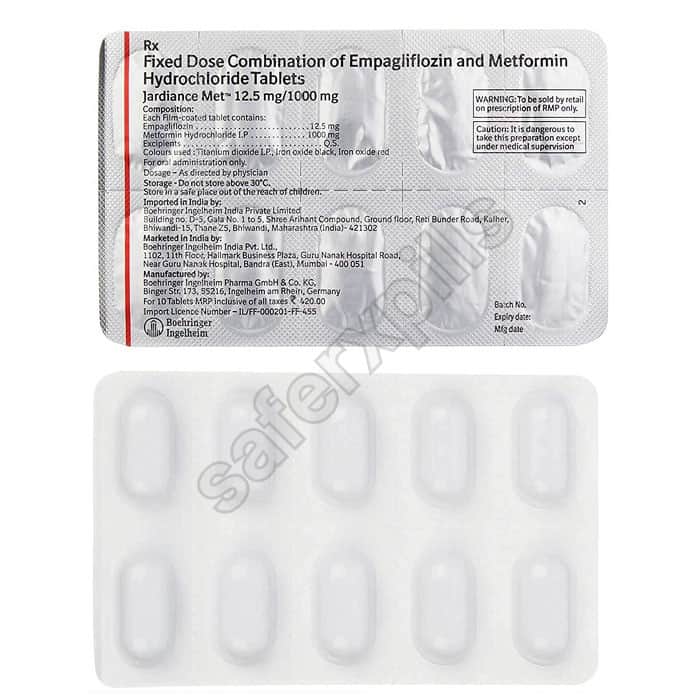
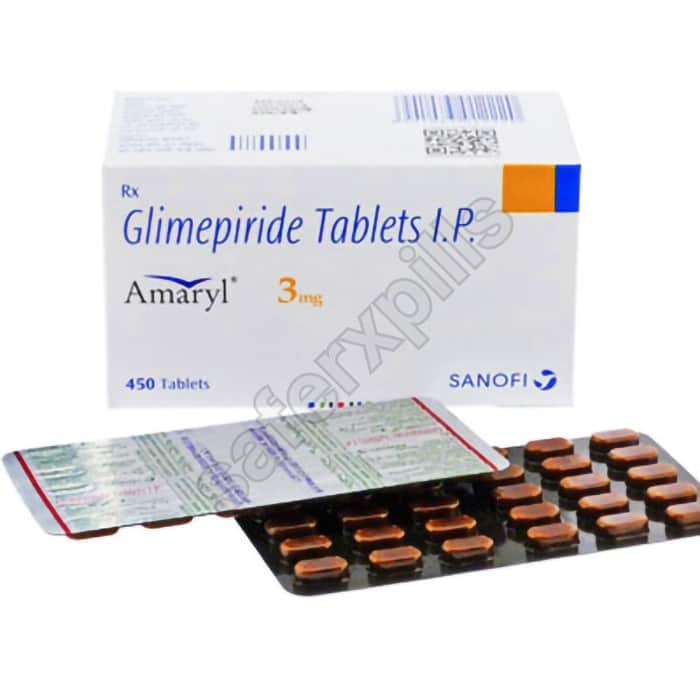
About Jardiance 10mg
Jardiance 10mg is Boehringer Ingelheim's empagliflozin 10 mg tablet, sold here in its Indian pack (Boehringer Ingelheim India). Empagliflozin is an SGLT2 inhibitor: it makes the kidneys pass more glucose into the urine and reabsorb less sodium (US label 12.1). One tablet is taken once a day in the morning. In the US label, 10 mg is the dose for all four uses: blood glucose control in type 2 diabetes, lowering the risk of cardiovascular death in adults with type 2 diabetes and established cardiovascular disease, heart failure, and chronic kidney disease. We sell it in packs of 30, 60 and 90 tablets, from $1.50 a tablet in the largest pack.
Three points first. Empagliflozin needs a doctor: a kidney function test before you start, a plan for sick days and surgery, and a dose review of any insulin or sulfonylurea you take with it. It carries two warnings every buyer should read before ordering: ketoacidosis, which can happen even when blood glucose is not very high, and serious genital and urinary infections, including Fournier's gangrene. And on price: our tablet costs far less than US pharmacies pay for brand Jardiance, but there is no US generic empagliflozin on sale, and US generic dapagliflozin (a different SGLT2 inhibitor) costs pharmacies about 18 cents a tablet, much less than ours. This page sets out the doses, warnings and prices from the current US Jardiance label and the UK product information, listed at the end.
Jardiance 10mg at a glance
| Active ingredient | Empagliflozin 10 mg per film-coated tablet (an SGLT2 inhibitor) |
| Brand and maker | Jardiance, Boehringer Ingelheim. Apollo Pharmacy and Netmeds name Boehringer Ingelheim India Pvt Ltd as marketer; PharmEasy and Apollo give Germany as the country of origin |
| Regulatory status | Empagliflozin is licensed in the US (Jardiance), the UK (Boehringer Ingelheim's empagliflozin, previously known as Jardiance), Australia and Canada (Jardiance). This Indian pack is not registered with the FDA, MHRA, TGA or Health Canada |
| Usual dose from the label | 10 mg once daily in the morning, with or without food. For type 2 diabetes only, the dose may go up to 25 mg once daily in people tolerating 10 mg who need more glucose control (US label 2.2). The UK label allows 25 mg only if eGFR is 60 or more (4.2) |
| Half-life | About 12.4 hours; peak blood levels about 1.5 hours after a dose (US label 12.3) |
| Packs | 30, 60 and 90 tablets (Indian strips hold 10) |
| Price per tablet | $1.90 (30 pack) down to $1.50 (90 pack), before shipping |
| Delivery | 7 to 14 business days to the US, UK, Australia and Canada; $25 shipping under $149, free from $149 |
What Jardiance 10mg is licensed for
US label (section 1). Jardiance is indicated:
- "to reduce the risk of cardiovascular death and hospitalization for heart failure in adults with heart failure"
- "to reduce the risk of sustained decline in eGFR, end-stage kidney disease, cardiovascular death, and hospitalization in adults with chronic kidney disease at risk of progression"
- "to reduce the risk of cardiovascular death in adults with type 2 diabetes mellitus and established cardiovascular disease"
- "as an adjunct to diet and exercise to improve glycemic control in adults and pediatric patients aged 10 years and older with type 2 diabetes mellitus"
The US label's limitations of use: it is "not recommended for use to improve glycemic control in patients with type 1 diabetes mellitus"; it is not recommended for glucose control in type 2 diabetes with an eGFR below 30 mL/min/1.73 m2, where it "is likely to be ineffective"; and it is not recommended for chronic kidney disease in people with polycystic kidney disease, or in people who need or recently had intravenous immunosuppressive therapy or more than 45 mg of prednisone (or equivalent) for kidney disease.
UK label (section 4.1). The UK product information is worded differently. It covers adults and children aged 10 and above with insufficiently controlled type 2 diabetes, as an adjunct to diet and exercise, "as monotherapy when metformin is considered inappropriate due to intolerance" or "in addition to other medicinal products for the treatment of diabetes"; adults with "symptomatic chronic heart failure"; and adults with "chronic kidney disease". The UK label does not list cardiovascular death reduction as a separate indication; it refers to the trial results in section 5.1.
Heart failure and kidney disease do not require diabetes in either label. In the trials, about half of the heart failure patients (US label 14.4 for EMPEROR-Reduced; UK label 4.8 for both EMPEROR trials) and about 44% of the kidney disease patients (US 14.5) had type 2 diabetes.
Price per tablet
Prices below are as of October 2026; the pack selector shows the current price.
| Pack | Price | Per tablet | Shipping | Per tablet with shipping |
|---|---|---|---|---|
| 30 tablets | $57 | $1.90 | $25 | $2.73 |
| 60 tablets | $93 | $1.55 | $25 | $1.97 |
| 90 tablets | $135 | $1.50 | $25 | $1.78 |
All three packs are under the $149 free shipping line, so each single pack carries $25 shipping. The larger packs are cheaper per tablet before shipping too.
How long a pack lasts. The label dose is one tablet once a day, so the 30 pack lasts 30 days, the 60 pack 60 days and the 90 pack 90 days. That is our arithmetic, not a label figure. If your doctor may move you to 25 mg for glucose control, agree the dose before buying a large pack, and check that the expiry date on the strips covers the months you need.
Compared with the brand and US generics
| Jardiance 10mg (ours, Indian pack) | US Jardiance 10 mg | US generic dapagliflozin 10 mg | |
|---|---|---|---|
| Maker | Boehringer Ingelheim (Indian pack) | Boehringer Ingelheim | Several US generic makers |
| FDA status | Not registered with the FDA (Indian pack) | Approved (NDA 204629) | Approved generics; a different medicine in the same class |
| Cost per tablet | $1.50 to $1.90 before shipping | NADAC $11.18898 | NADAC $0.18445 |
| Cost of 30 tablets | $57 before shipping | About $335.67 at NADAC | About $5.53 at NADAC |
NADAC is the average price US pharmacies pay to buy a medicine, published by the US Medicaid programme. It is not the price a patient pays at the counter. In the NADAC file effective 21 October 2026, all three US Jardiance 10 mg NDCs (bottles of 30 and 90 and the 3 x 10 blister carton) are at $11.18898 a tablet, so US pharmacies pay about 5.9 to 7.5 times our tablet price for the brand, before our shipping (our arithmetic). For Medicare Part D, CMS set a negotiated price of $197.00 for a 30-day supply of Jardiance from 1 January 2026, against a 2023 list price of $573.00; what a patient pays depends on the plan.
No US generic empagliflozin. NADAC has no generic empagliflozin rows, DailyMed lists only Boehringer Ingelheim's empagliflozin products and their repackagers, and Drugs.com lists one approved generic (Zydus, August 2022) as discontinued for both strengths (all checked 22 October 2026). So in the US there is no cheaper copy of empagliflozin itself.
Say it plainly: a cheaper US option exists in the same class. Generic dapagliflozin 10 mg (the medicine in Farxiga) costs US pharmacies $0.18445 a tablet, about an eighth to a tenth of our Jardiance tablet price before shipping (our arithmetic). It is a different medicine with its own label and its own outcome trials, so whether it suits you is your doctor's decision; our Jardiance vs Farxiga guide compares the two. If you are in the US with a prescription, ask about it and compare cash prices first.
In India, several companies launched generic empagliflozin in March 2025, with Mankind Pharma's brands priced at Rs 5.49 for 10 mg (Business Today, 13 March 2025). We also list a generic empagliflozin 10 mg under Healing Pharma's Empasmart brand, at $0.45 a tablet in its 100 tablet pack before shipping (as of October 2026). We have not seen bioequivalence data comparing Indian generics with Jardiance.
Which strength to choose
| Daily dose | Product | How it fits the labels |
|---|---|---|
| 10 mg once daily | Jardiance 10mg | The only labelled dose for heart failure, chronic kidney disease and cardiovascular death reduction (US 2.2; UK 4.2 for heart failure and kidney disease), and the starting dose for type 2 diabetes in adults and children aged 10 and over |
| 25 mg once daily | Jardiance 25mg | Type 2 diabetes glucose control only, in people tolerating 10 mg who need more control (US 2.2). The UK label adds that eGFR must be 60 or more, and sets 25 mg as the maximum daily dose. Not a heart failure or kidney disease dose |
| Above 25 mg | None | Above the labelled maximum |
The UK label says that with an eGFR below 60, "the daily dose of empagliflozin is 10 mg", and that glucose lowering is reduced below 45 and "likely absent" below 30. In the 24 week US monotherapy trial, 10 mg lowered HbA1c by 0.7 points more than placebo and 25 mg by 0.9 points; 35% on 10 mg and 44% on 25 mg reached an HbA1c below 7%, against 12% on placebo (US label 14.1). Moving to 25 mg is your doctor's decision; never raise the dose yourself.
Empagliflozin is also combined with metformin in Jardiance Met 12.5mg/1000mg, a different product with its own dosing and its own metformin warnings. Do not swap one for the other without your doctor.
How to take Jardiance 10mg
- Take one tablet once a day in the morning, with or without food (US label 2.2). The UK label says swallow it whole with water (4.2).
- Your doctor should check your kidney function and fluid status before you start (US 2.1). The UK label recommends kidney checks before starting and at least yearly (4.4).
- If you miss a dose, take it as soon as you remember. Do not take two doses at the same time (US Medication Guide); the UK label says a double dose should not be taken on the same day.
- Drink enough fluid. The US label says dehydration may increase the risk of low blood pressure (17). The US Medication Guide says call your healthcare provider right away if you eat or drink less than usual, for example when you are sick, or lose fluid from vomiting, diarrhoea or too much time in the sun.
- Before surgery or a procedure with prolonged fasting, the US label says withhold Jardiance "for at least 3 days, if possible", and resume when you are clinically stable and eating and drinking again (2.3). Tell the surgical team you take it.
- Expect a positive urine glucose test. The US label says monitoring control with urine glucose tests is not recommended (7), and both labels say 1,5-AG blood test results are unreliable while you take it (US 7; UK 4.4).
- Look after your feet: the label calls for routine preventive foot care (US 5.5, 17).
- Never start, stop or switch diabetes, heart or kidney medicines on your own.
Lower doses and extra care for some groups
- Kidney impairment. US: glucose control use is not recommended with an eGFR below 30 (2.1), and the trials did not enrol people with an eGFR below 20 or on dialysis (8.6). UK: starting it with an eGFR below 20 is not recommended "due to limited experience" (4.2). The US label also notes that starting Jardiance causes an early rise in creatinine and fall in eGFR, which then stabilise (6.1).
- Insulin or a sulfonylurea. In the US monotherapy trial, low blood sugar affected 0.4% on 10 mg and 0.4% on placebo, but the risk rises with insulin or a sulfonylurea, and a lower dose of those may be needed (US 5.4 and 7). In the trial with metformin and a sulfonylurea, 16.1% on 10 mg had low blood sugar against 8.4% on placebo (US Table 3).
- Age 75 and over, low blood pressure, diuretics. The US label says people with eGFR below 60, elderly patients and people on loop diuretics may be at increased risk of fluid loss or low blood pressure (5.2). Volume depletion side effects rose to 2.3% on 10 mg against 2.1% on placebo in people aged 75 and over (8.5). The UK label asks for caution in people for whom a drop in blood pressure could be a risk (4.4).
- Liver impairment. The US label says Jardiance may be used (8.7), with exposure up to about 75% higher in severe impairment (12.3). The UK label says use in severe hepatic impairment is not recommended (4.2).
- Children. For type 2 diabetes, use is licensed from age 10. In the children's trial, low blood sugar (below 54 mg/dL) occurred in 19.2% on Jardiance against 7.5% on placebo, regardless of insulin use (US 6.1). Heart failure and kidney disease use is not established under 18.
- People at higher risk of ketoacidosis. The UK label names people with low beta cell reserve (for example low C-peptide or LADA), a history of pancreatitis, restricted food intake or severe dehydration, reduced insulin doses, or higher insulin needs from illness, surgery or alcohol abuse, and says SGLT2 inhibitors "should be used with caution" in them (4.4).
Ketoacidosis
This is the warning to read twice. The US label says: "There have been postmarketing reports of fatal events of ketoacidosis in patients with type 2 diabetes mellitus using SGLT2 inhibitors, including JARDIANCE", and that "Type 2 diabetes mellitus and pancreatic disorders (e.g., history of pancreatitis or pancreatic surgery) are also risk factors for ketoacidosis" (5.1). In type 1 diabetes, Jardiance "significantly increases the risk of diabetic ketoacidosis, a life-threatening event", and it is not indicated for glucose control there.
It can happen with near-normal glucose. "Blood glucose levels at presentation may be below those typically expected for diabetic ketoacidosis (e.g., less than 250 mg/dL)" (US 5.1). The UK label says presentation was atypical in a number of cases, with blood glucose below 14 mmol/l (250 mg/dl) (4.4). So a normal glucose reading does not rule it out.
Triggers named in the US label (5.1): "under-insulinization due to insulin dose reduction or missed insulin doses, acute febrile illness, reduced caloric intake, ketogenic diet, surgery, volume depletion, and alcohol abuse."
Symptoms. US 5.1: "nausea, vomiting, abdominal pain, generalized malaise, and shortness of breath". The UK label lists nausea, vomiting, anorexia, abdominal pain, excessive thirst, difficulty breathing, confusion, unusual fatigue or sleepiness (4.4).
What to do. The US label says to "discontinue JARDIANCE and seek medical attention immediately if signs and symptoms occur" (5.1, 17). It can last longer than expected: urine glucose loss persists for 3 days after stopping, but there have been reports of ketoacidosis or glucosuria lasting more than 6 days and some up to 2 weeks after stopping an SGLT2 inhibitor (5.1). The UK label says treatment should be interrupted in people admitted for major surgery or acute serious illness, with ketone monitoring, and that restarting after ketoacidosis on an SGLT2 inhibitor "is not recommended, unless another clear precipitating factor is identified and resolved" (4.4). Your doctor may ask you to check ketones.
Genital and urinary infections, including Fournier's gangrene
Because more glucose is passed in the urine, empagliflozin "increases the risk of genitourinary infections including urinary tract infections and genital mycotic infections in both male and female patients" (US 5.3). In the pooled diabetes trials, genital fungal infections affected 5.4% of women on 10 mg against 1.5% on placebo, and 3.1% of men against 0.4% (US Table 2). People with a history of chronic or recurrent genitourinary infections are more likely to get them.
Serious infections. The US label says serious genitourinary infections, "including urosepsis, pyelonephritis, and necrotizing fasciitis of the perineum (Fournier's gangrene, a rare life-threatening infection requiring urgent surgical intervention), have occurred in patients with and without diabetes mellitus receiving SGLT2 inhibitors, including JARDIANCE", and that in Fournier's gangrene "serious outcomes have included multiple surgeries and death" (5.3). The UK label lists Fournier's gangrene as rare and adds: "Be aware that either uro-genital infection or perineal abscess may precede necrotising fasciitis" (4.4, 4.8).
The warning signs (US 17): "pain or tenderness, redness, or swelling of the genitals or the area from the genitals back to the rectum, along with a fever above 100.4°F or malaise". The US label tells patients to "promptly seek medical attention" if these develop. If Fournier's gangrene is suspected, the drug is stopped and treated urgently (US 5.3; UK 4.4).
Side effects

| Effect | Jardiance 10 mg | Placebo | Source |
|---|---|---|---|
| Urinary tract infection | 9.3% | 7.6% | US label Table 2 |
| Genital fungal infection, women | 5.4% | 1.5% | US label Table 2 |
| Genital fungal infection, men | 3.1% | 0.4% | US label Table 2 |
| Upper respiratory tract infection | 3.1% | 3.8% | US label Table 2 |
| Increased urination | 3.4% | 1.0% | US label Table 2 |
| Dyslipidaemia | 3.9% | 3.4% | US label Table 2 |
| Joint pain | 2.4% | 2.2% | US label Table 2 |
| Nausea | 2.3% | 1.4% | US label Table 2 |
| Thirst | 1.7% | 0% | US label 6.1 |
| Volume depletion side effects (all ages) | 0.5% | 0.3% | US label 6.1 |
| LDL cholesterol, mean rise | 4.6% | 2.3% | US label 6.1 |
Table 2 pools five placebo-controlled trials in adults with type 2 diabetes (999 people on 10 mg, 995 on placebo, mean exposure about 23 weeks) and lists reactions in at least 2% that were more common than on placebo. The upper respiratory infection row appears in the label table even though the 10 mg figure is below placebo. In the heart failure trials no new adverse reactions were identified (US 6.1); the UK label says the most frequent reaction in the pooled heart failure studies was volume depletion, 11.4% on 10 mg against 9.7% on placebo (4.8).
Lower limb amputation. Across four Jardiance outcome trials, amputation rates were 4.3 and 5.0 events per 1,000 patient-years on placebo and Jardiance (hazard ratio 1.05, 95% CI 0.81 to 1.36); in the kidney trial they were 2.9 and 4.3 on placebo and 10 mg, mostly toe and mid-foot (US 5.5). Peripheral artery disease and diabetic foot infection were the most common events leading to amputation. The label calls for routine preventive foot care.
Reports after approval (US 6.2, no reliable frequency): constipation; Fournier's gangrene, urosepsis and pyelonephritis; ketoacidosis; acute kidney injury; angioedema and skin reactions such as rash and hives. The UK label adds generalised itching, painful urination (dysuria) and, very rarely, tubulo-interstitial nephritis (4.8). Haematocrit rises with treatment (US 6.1; UK 4.4).
What the outcome trials showed

| Trial (US label section) | Who took part | Main result, Jardiance vs placebo |
|---|---|---|
| EMPA-REG OUTCOME (14.3) | 7,020 adults with type 2 diabetes and established cardiovascular disease; 10 mg and 25 mg combined; median 3.1 years | Cardiovascular death, heart attack or stroke 10.5% vs 12.1% (HR 0.86). Cardiovascular death 3.7% vs 5.9% (HR 0.62); no change in non-fatal heart attack or stroke |
| EMPEROR-Reduced (14.4) | 3,730 adults with heart failure, ejection fraction 40% or less; 10 mg; median 16 months | Cardiovascular death or heart failure admission 19.4% vs 24.7% (HR 0.75), mostly through fewer admissions |
| EMPEROR-Preserved (14.4) | 5,988 adults with heart failure, ejection fraction above 40%; 10 mg; median 26 months | 13.8% vs 17.1% (HR 0.79), mostly through fewer admissions |
| EMPA-KIDNEY (14.5) | 6,609 adults with chronic kidney disease (eGFR 20 to 90 with criteria); 10 mg; median 24 months | Kidney disease progression or cardiovascular death 13.1% vs 16.9% (HR 0.72) |
In EMPA-KIDNEY, the US label notes that the benefit "was not evident in patients with very low levels of albuminuria, however there were few events in these patients" (14.5); the UK label says patients with albuminuria "may benefit more" (4.4). Each result is against placebo added to standard care; these trials do not tell you whether Jardiance is better than another SGLT2 inhibitor.
When to get urgent help
Get medical help straight away, or call emergency services, if you have:
- Signs of ketoacidosis: nausea, vomiting, stomach pain, tiredness or trouble breathing (US label 17), and in the UK label's list also confusion and unusual fatigue or sleepiness (4.4), even if your blood glucose is normal or only a little high. Stop Jardiance and seek medical attention immediately (US label 5.1, 17). Ketoacidosis needs hospital treatment (US Medication Guide).
- Pain or tenderness, redness or swelling of the genitals or the area from the genitals back to the rectum, with a fever above 100.4°F (38°C) or feeling very unwell. These can be signs of Fournier's gangrene, which needs urgent surgery (US 5.3, 17).
- Urinary infection symptoms with fever, back pain, nausea or vomiting (US Medication Guide). Serious urinary infections, including kidney infection (pyelonephritis) and urosepsis, have occurred on SGLT2 inhibitors (US 5.3).
- Swelling of the face, lips, mouth or throat, trouble breathing or swallowing, hives or a rash. Stop Jardiance and call your healthcare provider right away or go to the nearest hospital emergency room (US Medication Guide, 5.6).
- Dizziness, fainting, light-headedness or weakness, especially on standing, which the US Medication Guide links to dehydration; the US label also reports acute kidney injury, some cases needing hospital care and dialysis (5.2).
- Low blood sugar that does not improve, if you also take insulin or a sulfonylurea (US 5.4).
- New pain, sores, ulcers or infection in a leg or foot: seek medical advice immediately (US 17).
- Taking too much: call a poison line (US Poison Help line 1-800-222-1222, from US 10 and the Medication Guide; in Australia the Poisons Information Centre on 13 11 26, our addition) or go to the nearest emergency room (US Medication Guide).
Tell the medical staff that you take empagliflozin (Jardiance), how much and when you last took it, because ketoacidosis on this medicine can be missed when blood glucose is not very high.
Who should not take Jardiance 10mg
Never take it if:
- you have had an allergic reaction to empagliflozin or any ingredient of the tablet; the US label notes that reactions such as angioedema have occurred (US label 4; UK label 4.3). This is the only contraindication in both labels.
Not recommended, should not be used, or only with care:
- Type 1 diabetes: US: "not recommended for use to improve glycemic control" (1); UK: empagliflozin "should not be used in patients with type 1 diabetes" (4.4).
- Type 2 diabetes with eGFR below 30, for glucose control: not recommended (US 1, 2.1); it is likely to be ineffective. Heart failure and kidney disease use follow different rules, so this is for your doctor.
- Kidney disease from polycystic kidney disease, or with recent intravenous immunosuppression or more than 45 mg prednisone: not recommended for the kidney disease indication (US 1).
- Pregnancy: US: "not recommended during the second and third trimesters of pregnancy", based on animal kidney findings (8.1). UK: "it is preferable to avoid the use of empagliflozin during pregnancy" (4.6). Tell your doctor straight away if you are or may be pregnant.
- Breastfeeding: US: "use of JARDIANCE is not recommended while breastfeeding" (8.2). UK: "Empagliflozin should not be used during breast-feeding" (4.6).
- Previous ketoacidosis on an SGLT2 inhibitor: UK: restarting is not recommended unless another clear trigger is found and resolved (4.4).
- Severe liver impairment: UK: not recommended (4.2). The US label allows use (8.7).
- Rare sugar intolerances: the tablets contain lactose; the UK label says people with galactose intolerance, total lactase deficiency or glucose-galactose malabsorption "should not take this medicinal product" (4.4). We have not confirmed the excipients of the Indian pack, so read the strip.
- Children under 10: safety and effectiveness are not established (US 8.4).
- Before major surgery, during acute serious illness, or when you cannot eat or drink: it is withheld or interrupted (US 2.3, 5.1; UK 4.4).
Medicines that interact
- Diuretics: more urine and more risk of fluid loss; the US label asks for volume status and kidney checks before starting (Table 4).
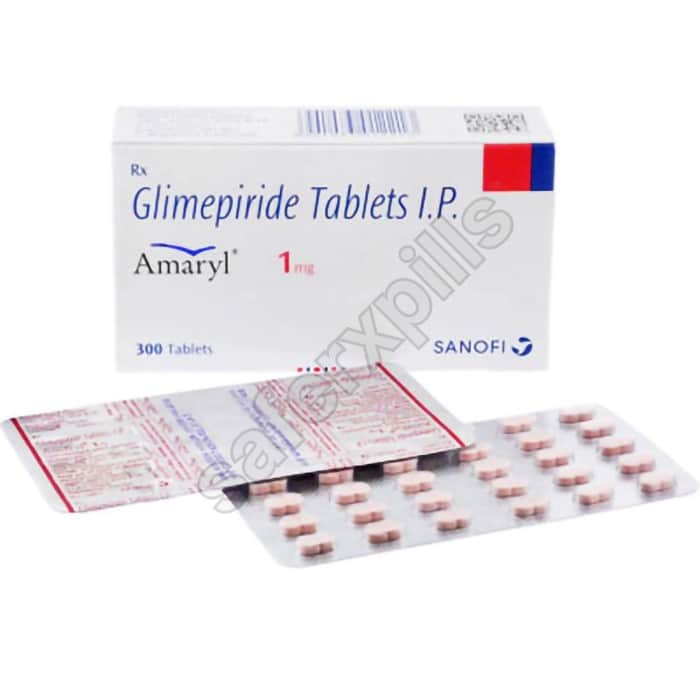
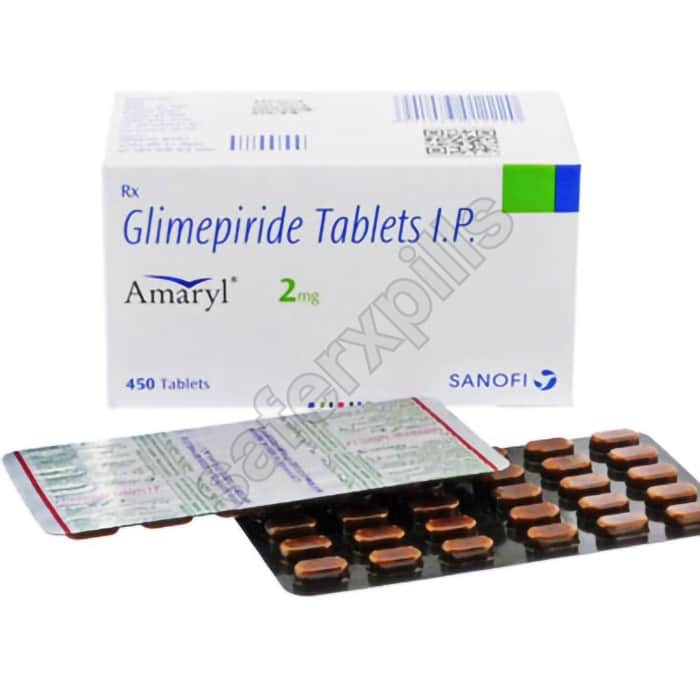
- Insulin and sulfonylureas (for example glimepiride): higher risk of low blood sugar; lower doses of these may be needed (US Table 4; UK 4.2).
- Lithium: SGLT2 inhibitors may lower lithium levels; the US label says monitor lithium more often when starting or changing the dose (Table 4).
- Probenecid: cut the share of empagliflozin excreted in urine by 30%, with no effect on 24-hour urine glucose (US 12.3).
- Enzyme inducers such as rifampicin: the effect of UGT induction on empagliflozin exposure "has not been evaluated" (US 12.3).
- Urine glucose and 1,5-AG tests: not reliable while you take it (US Table 4).
The US label found no clinically relevant effect of empagliflozin on metformin, glimepiride, pioglitazone, sitagliptin, linagliptin, warfarin, digoxin, ramipril, simvastatin, hydrochlorothiazide, torsemide or oral contraceptives in healthy volunteers (12.3). Tell your doctor or pharmacist about every medicine and supplement you take.
Prescription and legal status
In the US, Jardiance is a prescription medicine (FDA NDA 204629), and the FDA says personal importation of unapproved medicines is illegal in most circumstances. In the UK, Boehringer Ingelheim's empagliflozin 10 mg (listed on the electronic medicines compendium as "previously known as Jardiance", PLGB 14598/0192) is a prescription-only medicine (POM). In Australia, Jardiance 10 mg is registered (AUST R 208829), Schedule 4, "only available with a doctor's prescription", and listed on the PBS (item 10206E). In Canada, Jardiance 10 mg (DIN 02443937) is marketed as a prescription medicine. In India, Apollo Pharmacy marks Jardiance 10 mg as a prescription drug. Check the rules where you live.
Buying genuine Jardiance
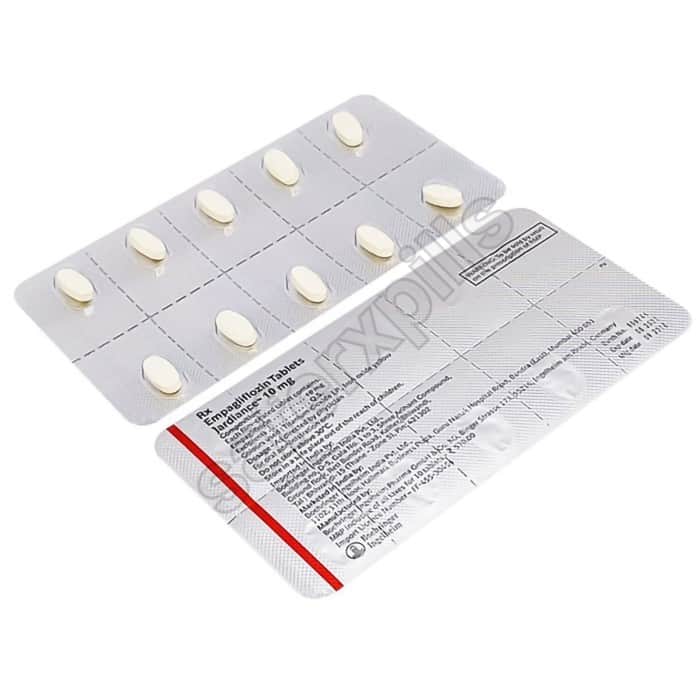
The MHRA warns that "Any medicine not authorised for sale in the UK can be unsafe or ineffective and there is no way of knowing what is in them or the negative health effects they can have", and it advises UK buyers to "Only use UK-registered pharmacies, including online pharmacies displaying the official green cross logo". That warning covers this Indian Jardiance pack. When your order arrives, read the strip: it should say Jardiance and empagliflozin 10 mg, with a batch number and expiry date. PharmEasy, Apollo and Netmeds list Jardiance 10 mg as a strip of 10 tablets. The US and UK labels describe the 10 mg tablet as pale yellow, round and film-coated, marked "S 10" ("S10" in the UK label) on one side with the Boehringer Ingelheim company symbol (UK: logo) on the other; we have not confirmed that the Indian tablet carries the same marking. These checks cannot prove that tablets are genuine, because counterfeiters copy packaging. If a batch causes unusual symptoms, seek medical advice and report it to your medicines regulator (the MHRA Yellow Card scheme in the UK, FDA MedWatch in the US, the TGA in Australia or Health Canada) as well as to us.
Storage. The US label says store at 20 to 25°C, with excursions from 15 to 30°C permitted (16); the UK label says no special storage conditions (6.4). PharmEasy gives "below 30°C" for the Indian pack. No refrigeration is needed.
Delivery
We ship Jardiance 10mg to the US, UK, Australia and Canada in plain packaging with tracking. Standard delivery takes 7 to 14 business days. Shipping costs a flat $25 on orders under $149 and is free from $149. Order well before your current supply runs out, and do not stop or ration your tablets while you wait, especially if you take it for heart failure or kidney disease. See our shipping page and refund policy.
Related guides
Sources
- JARDIANCE (empagliflozin tablets), US prescribing information and Medication Guide, Boehringer Ingelheim Pharmaceuticals, revised January 2026 (DailyMed setid faf3dd6a-9cd0-39c2-0d2e-232cb3f67565, version 31, effective 30 January 2026): sections 1, 2.1 to 2.4, 3, 4, 5.1 to 5.6, 6.1, 6.2, 7, 8.1, 8.2, 8.4 to 8.7, 10, 11, 12.2, 12.3, 14.1, 14.3 to 14.5, 16, 17. DailyMed
- Empagliflozin 10 mg film-coated tablets (previously known as Jardiance), UK SmPC and patient leaflet, Boehringer Ingelheim, PLGB 14598/0192, text revised December 2025: sections 2, 3, 4.1 to 4.9, 6.4, 6.5. emc
- Centers for Medicare and Medicaid Services. National Average Drug Acquisition Cost (NADAC) 2026: Jardiance 10 mg tablet $11.18898 (NDCs 00597015230, 00597015237, 00597015290); generic dapagliflozin 10 mg $0.18445 (20 NDC rows); no generic empagliflozin rows; all effective 21 October 2026. data.medicaid.gov
- Centers for Medicare and Medicaid Services. Medicare Drug Price Negotiation Program: Negotiated Prices for Initial Price Applicability Year 2026 (August 2024): Jardiance $197.00 negotiated price and $573.00 list price for a 30-day supply. CMS
- US Food and Drug Administration, openFDA drug approvals: Jardiance NDA 204629 (10 mg and 25 mg, prescription); Drugs.com generic Jardiance availability page (Zydus ANDA approved 3 August 2022, listed as discontinued); DailyMed empagliflozin listing; all checked 22 October 2026. Drugs.com
- Health Canada Drug Product Database: Jardiance 10 mg, DIN 02443937, marketed since 11 August 2015, prescription; checked 22 October 2026. Health Canada
- Australian Commission on Safety and Quality in Health Care, Medicine Finder: Jardiance, AUST R 208829, S4; TGA ARTG 208829; PBS item 10206E. Medicine Finder
- Business Today. Diabetes drug price war heats up, 13 March 2025 (Indian generic empagliflozin launches and prices). Business Today
- Indian pharmacy listings for Jardiance 10 mg (PharmEasy, Apollo Pharmacy, Netmeds), checked 22 October 2026.
- MHRA. 20 million illegal erectile dysfunction pills seized as MHRA warns against risky online buys, 13 February 2026. GOV.UK
- US Food and Drug Administration. Personal Importation. FDA
This page is for information and is not medical advice. Jardiance is a prescription medicine for type 2 diabetes, heart failure and chronic kidney disease. Take it only as prescribed by a doctor who checks your kidney function, and do not start, stop or switch it without your doctor.
Frequently asked questions
What is Jardiance 10mg?
Jardiance 10mg is Boehringer Ingelheim's empagliflozin 10 mg tablet, an SGLT2 inhibitor, sold here in its Indian pack. The US label covers four uses: blood glucose control in type 2 diabetes (adults and children aged 10 and over), lowering the risk of cardiovascular death in adults with type 2 diabetes and established cardiovascular disease, heart failure, and chronic kidney disease at risk of progression. The UK label covers type 2 diabetes, symptomatic chronic heart failure and chronic kidney disease.
Is the Indian Jardiance 10mg the same as US or UK Jardiance?
It is the same brand and the same active ingredient, empagliflozin 10 mg, from the same company, Boehringer Ingelheim; PharmEasy and Apollo give Germany as the country of origin. But this Indian pack is not registered with the FDA, MHRA, TGA or Health Canada, and we have not confirmed that its excipients and tablet markings match the US or UK tablet. Read the strip when it arrives.
What does Jardiance 10mg cost per tablet?
As of October 2026, $1.90 a tablet in the 30 pack, $1.55 in the 60 pack and $1.50 in the 90 pack, before shipping; the pack selector shows the current price. Each pack is under $149, so $25 shipping applies, which brings the per tablet cost to $2.73, $1.97 and $1.78. US pharmacies pay $11.18898 a tablet for brand Jardiance 10 mg (NADAC, effective 21 October 2026). There is no US generic empagliflozin, but US generic dapagliflozin 10 mg, a different SGLT2 inhibitor, costs pharmacies $0.18445 a tablet, far less than ours; ask your doctor whether it suits you.
How do I take Jardiance 10mg?
One tablet once a day in the morning, with or without food (US label 2.2); the UK label adds that it is swallowed whole with water (4.2). Your doctor should check your kidney function and fluid status first. If you miss a dose, take it when you remember, but never take two doses at the same time. Drink enough fluid, and the US label says to withhold it for at least 3 days, if possible, before surgery or procedures with prolonged fasting.
Should I take Jardiance 10mg or 25mg?
10 mg is the only labelled dose for heart failure, chronic kidney disease and cardiovascular death reduction, and the starting dose for type 2 diabetes. For type 2 diabetes only, the US label allows 25 mg in people who tolerate 10 mg and need more glucose control; the UK label also requires an eGFR of 60 or more and says the daily dose is 10 mg below 60. Moving to 25 mg is your doctor's decision.
How long does a pack of Jardiance 10mg last?
At the label dose of one tablet a day, the 30 pack lasts 30 days, the 60 pack 60 days and the 90 pack 90 days (our arithmetic). Jardiance is a long-term medicine, so order before your supply runs out; do not stop or ration it while you wait for delivery, especially if you take it for heart failure or kidney disease.
What is the ketoacidosis warning?
The US label says there have been reports of fatal ketoacidosis in people with type 2 diabetes using SGLT2 inhibitors, including Jardiance, and that blood glucose at presentation may be lower than expected, for example below 250 mg/dL. Triggers include missed or reduced insulin doses, fever or illness, eating much less, a ketogenic diet, surgery, dehydration and alcohol abuse. Symptoms include nausea, vomiting, stomach pain, tiredness and trouble breathing. If they occur, the label says stop Jardiance and seek medical attention immediately.
What are the side effects of Jardiance 10mg?
In the pooled US diabetes trials, the most common were urinary tract infections (9.3% vs 7.6% on placebo) and genital fungal infections (5.4% vs 1.5% in women, 3.1% vs 0.4% in men), plus increased urination, thirst and nausea. Serious but less common risks are ketoacidosis, dehydration and low blood pressure, kidney injury, serious urinary infections, Fournier's gangrene (pain, redness or swelling of the genitals or the area back to the rectum with fever or malaise: seek medical attention promptly), lower limb amputation and allergic reactions. Low blood sugar is more likely if you also take insulin or a sulfonylurea.
Who should not take Jardiance 10mg?
Never take it if you are allergic to empagliflozin or any ingredient of the tablet (the only contraindication in the US and UK labels). It is not recommended for type 1 diabetes, for glucose control in type 2 diabetes with an eGFR below 30, for kidney disease caused by polycystic kidney disease, in the second and third trimesters of pregnancy (US; the UK label says it is preferable to avoid it in pregnancy) or while breastfeeding. The UK label also advises against it in severe liver impairment and in people with rare inherited sugar intolerances, because the tablets contain lactose.
Do I need a prescription for Jardiance 10mg?
Yes, in every country we ship to. Jardiance is a prescription medicine in the US, empagliflozin is prescription-only (POM) in the UK, Jardiance is Schedule 4 in Australia and prescription in Canada, and Apollo Pharmacy marks it as a prescription drug in India. The FDA says personal importation of unapproved medicines is illegal in most circumstances. It also needs a doctor for kidney tests and a plan for illness and surgery.
How long does delivery take?
Standard delivery to the US, UK, Australia and Canada takes 7 to 14 business days, in plain packaging with tracking. Shipping is $25 on orders under $149 and free from $149. No refrigeration is needed: the US label says store at 20 to 25°C with excursions from 15 to 30°C permitted.
Medical References
Sources: U.S. National Library of Medicine (DailyMed, PubMed), openFDA
Related articles
Jardiance vs Farxiga: Trial Results, Dosing, Side Effects and 2026 US Prices
Empagliflozin (Jardiance) and dapagliflozin (Farxiga, Forxiga) compared from the current US labels: all eight outcome trials, dosing and kidney cut-offs, side effects, the warnings found only on the Jardiance label, and 2026 US costs, including generic dapagliflozin at about 18 cents a tablet.
Read article
How to Apply Estradiol Gel: Where to Put It, Pump vs Packet, and What Changes Absorption
Where and how to apply estradiol gel, product by product: the arm for EstroGel and Elestrin pumps, the upper thigh for Divigel and generic 0.1% packets. Covers priming, drying and no-contact times, what washing, sunscreen and moisturizer do to absorption, missed doses, the 2026 boxed warning change and who should not use it.
Read article
Diane-35 in the USA: Why It Isn't FDA-Approved, What It Treats, Clot Risk and US Alternatives
Diane-35 combines cyproterone acetate 2 mg with ethinylestradiol 35 micrograms for acne and hirsutism in women. It is prescribed in Canada, the UK, Australia and India but has never been FDA-approved. This guide covers its licensed uses, trial results, the 2013 European review, blood clot risk against other pills, the 2020 meningioma review, who should not take it, and FDA-approved US alternatives.
Read articleCustomer Reviews
No reviews yet. Bought Jardiance 10mg? Tell other buyers how it went.