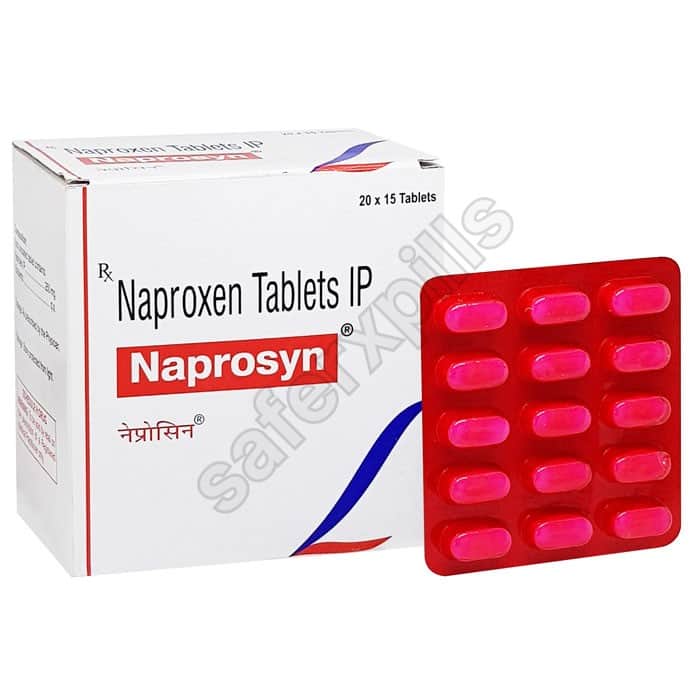
Naprosyn 500mg
Generic: Naproxenby RPG Life Science Ltd
Similar medicines
View all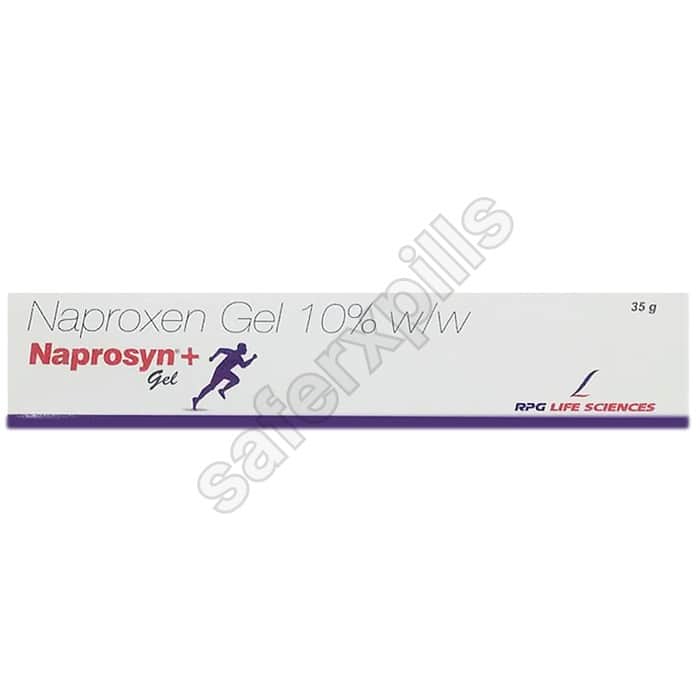

About Naprosyn 500mg
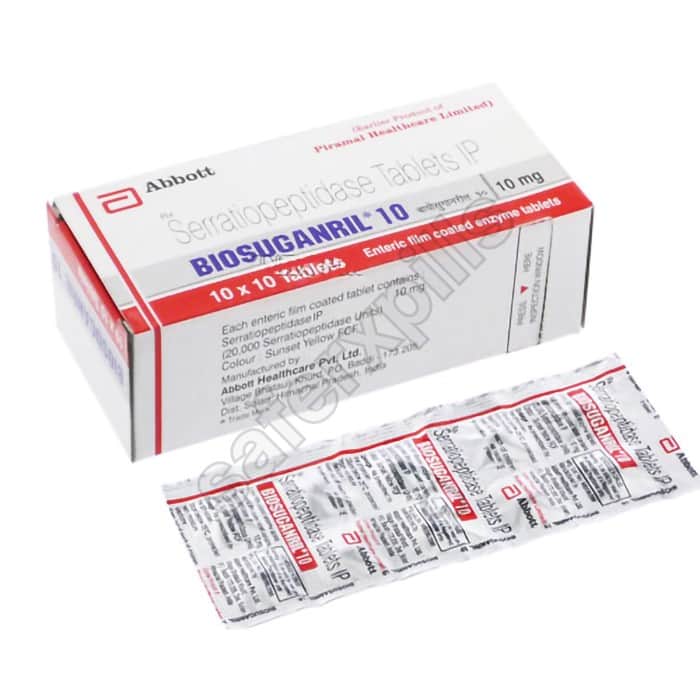
Naprosyn 500mg is RPG Life Sciences' naproxen 500 mg tablet from India. Naproxen is a nonsteroidal anti-inflammatory drug (NSAID) used for arthritis pain and stiffness, period pain, sprains, tendonitis, bursitis and acute gout. Each tablet contains 500 mg of naproxen itself (the acid, sometimes called naproxen base), not the sodium salt sold over the counter in the US as Aleve. We sell it in packs of 30, 60 and 90 tablets, from $0.41 a tablet in the largest pack.
Three points first. Naproxen carries a US boxed warning for heart attack, stroke and stomach bleeding, so it needs a doctor's advice on whether it is right for you and for how long. A 500 mg prescription tablet is not the same as an Aleve tablet: one Naprosyn 500 holds as much naproxen as two and a half Aleve tablets (our arithmetic, explained below). And in the US, generic naproxen 500 mg costs pharmacies under 6 cents a tablet, so US readers with a prescription will almost always pay less at a local pharmacy than here. This page sets out the doses, warnings and prices from the current US Naprosyn prescribing information and the UK Naprosyn 500 mg product information, listed at the end.
Naprosyn 500mg at a glance
| Active ingredient | Naproxen 500 mg per tablet (an NSAID). Not naproxen sodium |
| Brand and maker | Naprosyn, RPG Life Sciences Ltd, India (PharmEasy and Medkart listings). Outside India the Naprosyn name belongs to other companies (Atnahs in the US, UK and Australia) |
| Regulatory status | Naproxen 500 mg tablets are licensed in the US, UK, Canada and Australia. This Indian Naprosyn pack is not registered with the FDA, MHRA, TGA or Health Canada |
| Usual dose from the label | Arthritis: 250 mg to 500 mg twice daily (US label 2.2). Pain, period pain, tendonitis, bursitis: 500 mg, then 250 mg every 6 to 8 hours as required, no more than 1,250 mg a day (US 2.4). For arthritis, up to 1,500 mg a day only for limited periods of up to 6 months, in people who tolerate lower doses well (US 2.2) |
| Half-life | 12 to 17 hours (US label 12.3); peak blood levels 2 to 4 hours after a tablet; pain relief can begin within 1 hour and has been found to last up to 12 hours (US 14) |
| Packs | 30, 60 and 90 tablets (Indian strips hold 15) |
| Price per tablet | $0.57 (30 pack) down to $0.41 (90 pack), before shipping |
| Delivery | 7 to 14 business days to the US, UK, Australia and Canada; $25 shipping under $149, free from $149 |
Price per tablet
Prices below are as of October 2026; the pack selector shows the current price.
| Pack | Price | Per tablet | Shipping | Per tablet with shipping |
|---|---|---|---|---|
| 30 tablets | $17 | $0.57 | $25 | $1.40 |
| 60 tablets | $26 | $0.43 | $25 | $0.85 |
| 90 tablets | $37 | $0.41 | $25 | $0.69 |
All three packs are under the $149 free shipping line, so each single pack carries $25 shipping. The larger packs are cheaper per tablet before shipping too. On the 30 pack, shipping costs more than the tablets.
How long a pack lasts. At the usual arthritis dose of one 500 mg tablet twice a day (1,000 mg a day), the 30 pack lasts 15 days, the 60 pack 30 days and the 90 pack 45 days. If your doctor prescribes 500 mg once a day, which the UK label allows for arthritis (500 mg to 1 g a day, in two doses or as a single dose), the packs last 30, 60 and 90 days. That is our arithmetic, not a label figure. The US label says to use the lowest effective dose for the shortest duration, and short-term pain often needs far fewer tablets than a pack holds. Do not keep leftover tablets to treat new pain without advice, and check that the expiry date on the strips covers the time you need.
Naproxen 500 mg vs Aleve (naproxen sodium 220 mg)
This is the most common mix-up with naproxen, so here are the label facts.
| Naprosyn 500mg (this product) | Anaprox DS 550 mg (US prescription) | Aleve 220 mg (US over the counter) | |
|---|---|---|---|
| Chemical form | Naproxen (acid) | Naproxen sodium | Naproxen sodium |
| Naproxen in each tablet | 500 mg | 500 mg ("naproxen 500 mg with 50 mg sodium", US label 2.2) | 200 mg ("Naproxen sodium 220 mg (naproxen 200 mg)", Aleve Drug Facts) |
| Peak blood level | 2 to 4 hours (US 12.3) | 1 to 2 hours (US 12.3) | Not stated on Drug Facts |
| Labelled daily limit | 1,250 mg for pain (US 2.4); 1,500 mg for limited periods in arthritis (US 2.2) | 1,375 mg naproxen sodium on the first day, then 1,100 mg (US 2.4) | "do not exceed 3 tablets in a 24-hour period" (Aleve tablets Drug Facts), which is 600 mg naproxen |
| Status in the US | Prescription only ("Rx only") | Prescription only | Over the counter |
So 220 mg is the weight of the sodium salt, and 200 mg of it is naproxen. One Naprosyn 500 tablet carries the naproxen of two and a half Aleve tablets (500 divided by 200, our arithmetic), and one tablet twice a day gives 1,000 mg of naproxen, against the 600 mg ceiling on the Aleve pack. The sodium salt dissolves more readily, which the US label says is why it reaches peak levels sooner; in the label's pain studies, relief "can begin within 1 hour" with naproxen and "within 30 minutes" with naproxen sodium (US 14).
Two label rules follow. Do not take Naprosyn with Aleve or any other naproxen product: the US label says naproxen products "should not be used concomitantly since they all circulate in the plasma as the naproxen anion" (2.1). And "Different dose strengths and formulations ... of naproxen are not interchangeable" (2.6), so do not switch between naproxen, naproxen sodium and delayed release (enteric-coated) forms without your doctor or pharmacist. The Aleve label also says to stop and ask a doctor if pain "gets worse or lasts more than 10 days".
RPG Life Sciences also sells a different tablet called Naprosyn 500 Plus. PharmEasy lists its salt as naproxen sodium 550 mg and Truemeds lists it as naproxen 550 mg. Check that the strip you receive says naproxen 500 mg, not naproxen sodium 550 mg.
Compared with the brand and US generics
| Naprosyn 500mg (ours) | US generic naproxen 500 mg | US Naprosyn 500 mg | |
|---|---|---|---|
| Maker | RPG Life Sciences, India | Several US generic makers (for example Granules) | Atnahs Pharma US |
| FDA status | Not registered with the FDA (Indian pack) | FDA approved | FDA approved (NDA 017581) |
| Cost per tablet | $0.41 to $0.57 before shipping | About $0.06 (NADAC $0.05782) | No NADAC row in 2026 |
| Cost of 90 tablets | $37 before shipping | About $5.20 at NADAC | Not available |
NADAC is the average price US pharmacies pay to buy a medicine, published by the US Medicaid programme. It is not the price a patient pays at the counter, but the gap is wide: our tablet costs roughly 7 to 10 times the NADAC rate for generic naproxen 500 mg ($0.05782 a tablet, 19 NDC rows, effective 21 October 2026), before our shipping charge. For comparison, generic naproxen sodium 550 mg is $0.21541 a tablet and generic naproxen delayed release 500 mg is $1.94747 a tablet in the same file. US generic naproxen is cheap; if you are in the US and have a prescription, buy it locally.
US generics were approved by showing they are bioequivalent to the US reference product. We have not seen bioequivalence data comparing the Indian Naprosyn tablet with US or UK naproxen.
Which strength to choose
| Dose | Product | How it fits the labels |
|---|---|---|
| 250 mg | Naprosyn 250mg | The follow-on dose for pain (250 mg every 6 to 8 hours) and for gout (250 mg every 8 hours); the lower arthritis dose (250 mg twice daily) |
| 500 mg | Naprosyn 500mg | The first dose for pain and period pain; the usual arthritis dose twice daily (1,000 mg a day) |
| 750 mg | Naprosyn 750mg | 750 mg is the US and UK first dose for acute gout. One tablet twice a day would be 1,500 mg, the US label's ceiling for limited periods of up to 6 months. We have not checked the Indian 750 mg tablet's own label for this page |
| Above 1,500 mg a day | None | Above the labelled maximum |
Higher doses bring more side effects. The US label reports that gastrointestinal reactions were "more frequent and more severe" in rheumatoid arthritis patients on 1,500 mg a day than on 750 mg a day (6.1), and in one trial 19 people on 1,500 mg a day stopped early because of adverse events against 9 on 750 mg a day, mostly stomach and bowel events (14). The label also says taking it more often than twice daily "does not generally make a difference in response" (2.2). Any increase is your doctor's decision.
For a sprain or sore muscle where you would rather not take a tablet, Naprosyn Gel is a topical naproxen product; we have not reviewed it on this page.
How to take Naprosyn 500mg
- Take it exactly as your doctor advises, at the lowest dose that works for the shortest time (US 2.1; UK 4.2).
- The UK label says to take it "preferably with or after food" (4.2). Food can delay absorption but does not change how much is absorbed (UK 4.5).
- Arthritis (rheumatoid arthritis, osteoarthritis, ankylosing spondylitis): one tablet twice a day, morning and evening, is the usual US dose; the doses "do not have to be equal in size" (US 2.2). The UK label gives 500 mg to 1 g a day in two doses 12 hours apart or as a single dose.
- Pain, period pain, tendonitis, bursitis: 500 mg first, then 250 mg every 6 to 8 hours as required, no more than 1,250 mg a day (US 2.4). The UK label sets the same 1,250 mg limit "after the first day".
- Acute gout: 750 mg first, then 250 mg every 8 hours until the attack has subsided (US 2.5; UK 4.2).
- Half doses. The US and UK Naprosyn 500 tablets are scored. We have not confirmed a score line on the Indian tablet, so for 250 mg doses use the 250 mg tablet unless your pharmacist says the tablet can be split.
- For long-term use, the UK label says treatment "should be reviewed at regular intervals and discontinued if no benefit is seen or intolerance occurs" (4.2), and the US label suggests periodic blood counts and chemistry tests (5.14).
- Do not take it with any other NSAID, including aspirin at pain-relief doses, ibuprofen, diclofenac or Aleve (US 7; UK 4.4).
Lower doses and extra care for some groups
- Older people. The US label says older people are at greater risk of serious heart, stomach and kidney reactions and, if the benefit outweighs these risks, to "start dosing at the low end of the dosing range" (8.5). The UK label says prolonged use in older or debilitated people "is not recommended" and that people at higher stomach risk "should commence treatment on the lowest dose available" (4.4). For many older people that means 250 mg, not 500 mg.
- Kidney impairment. The US label says naproxen products "are not recommended for use in patients with moderate to severe and severe renal impairment (creatinine clearance <30 mL/min)" (8.7). The UK label makes a creatinine clearance below 30 ml/minute a contraindication and says a lower dose should be considered in milder kidney impairment (4.2, 4.4).
- Liver impairment. The US label advises caution with high doses and the lowest effective dose (8.6). The UK label contraindicates severe hepatic failure (4.3).
- Heart failure and recent heart attack. The US label says to avoid naproxen in severe heart failure and after a recent heart attack "unless the benefits are expected to outweigh the risk" (5.1, 5.5). The UK label contraindicates severe heart failure (4.3).
- Children. The US label says "Dosing with NAPROSYN Tablets is not appropriate for children weighing less than 50 kilograms" (2.3). The UK label allows it for juvenile rheumatoid arthritis from age 5 at 10 mg/kg a day, and says it "is not recommended for use in any other indication in children under 16 years of age" (4.2).
- Dehydration. The US label says to correct dehydration before starting, because NSAIDs can tip a strained kidney into failure (5.6).
Side effects
The US boxed warning reads: "Nonsteroidal anti-inflammatory drugs (NSAIDs) cause an increased risk of serious cardiovascular thrombotic events, including myocardial infarction and stroke, which can be fatal. This risk may occur early in treatment and may increase with duration of use." and "NSAIDs cause an increased risk of serious gastrointestinal (GI) adverse events including bleeding, ulceration, and perforation of the stomach or intestines, which can be fatal. These events can occur at any time during use and without warning symptoms. Elderly patients and patients with a prior history of peptic ulcer disease and/or GI bleeding are at greater risk for serious GI events."
The US label lists these as reported in about 1% to 10% of people taking naproxen in clinical trials. It gives no placebo comparison, so the figures show how often each was reported, not how often naproxen caused it.
| How often (US label 6.1) | Reported effects |
|---|---|
| 3% to 9% | Heartburn, abdominal pain, nausea, constipation, headache, dizziness, drowsiness, itching, skin eruptions, bruising (ecchymoses), ringing in the ears (tinnitus), swelling (oedema), shortness of breath (dyspnoea) |
| About 1% to under 3% | Diarrhoea, indigestion, mouth sores, lightheadedness, vertigo, sweating, purpura, visual and hearing disturbances, palpitations, thirst |
| Under 1% in trials | Pancreatitis, vomiting, jaundice, black stools (melaena), low platelets, agranulocytosis, inability to concentrate, skin rashes |
Selected rows. The label says reactions in people treated long term for arthritis were reported "2 to 10 times more frequently" than in short-term studies for pain or period pain, and that the most frequent complaints related to the stomach and bowel (6.1). Reports after approval include serious stomach and bowel bleeding, ulcers and perforation, liver injury including hepatitis, kidney problems including kidney failure, high potassium, serious skin reactions (Stevens-Johnson syndrome, toxic epidermal necrolysis, fixed drug eruption), sensitivity to light including pseudoporphyria, aseptic meningitis, blood disorders, depression, convulsions and female infertility (US 6.2; UK 4.8).
Stomach bleeding numbers. The US label says ulcers, gross bleeding or perforation caused by NSAIDs "occurred in approximately 1% of patients treated for 3 to 6 months, and in about 2% to 4% of patients treated for one year", and that "Only one in five patients who develop a serious upper GI adverse event on NSAID therapy is symptomatic" (5.2). People with a previous ulcer or stomach bleed had "a greater than 10-fold increased risk". Other risk factors in the same section: longer use, oral corticosteroids, aspirin, anticoagulants or SSRIs, smoking, alcohol, older age and poor general health. The UK label says a protective medicine such as a proton pump inhibitor "should be considered" for people at higher risk (4.4).
Heart and blood pressure. The US label says the rise in heart risk "has been observed most consistently at higher doses", and that some studies found it began "as early as the first weeks of treatment" (5.1). NSAIDs can cause new or worse high blood pressure (5.4) and fluid retention. The UK label says data suggest naproxen 1,000 mg a day "may be associated with a lower risk, some risk cannot be excluded" (4.4). Ask your doctor what this means for you if you have heart disease, high blood pressure, diabetes, high cholesterol or smoke.
Driving. The UK label says people who get drowsiness, dizziness, vertigo, insomnia, fatigue, visual disturbances or depression "should not drive or operate machinery" (4.7).
When to get urgent help
The US Medication Guide says to get emergency help right away for:
- shortness of breath or trouble breathing, chest pain, slurred speech, or weakness in one part or side of your body (possible heart attack or stroke)
- swelling of the face or throat, or other signs of a severe allergic reaction. The US label says "Seek emergency help if an anaphylactic reaction occurs" (5.7)
Stop taking it and get medical advice straight away (US Medication Guide; US 5.3, 5.9, 5.10) if you:
- vomit blood, or have black, tarry or bloody stools, or stomach pain that does not go away (possible stomach bleeding)
- get a skin rash, blisters, peeling skin or mouth sores, or a rash with fever and swollen glands. The US label says to stop at "the first appearance of skin rash or any other sign of hypersensitivity"
- have yellow skin or eyes, dark urine, itching, nausea, tiredness or flu-like symptoms (possible liver injury)
- have sudden weight gain or swelling of the legs, ankles or hands, or pass much less urine
- have taken more than the prescribed dose. The US label says "It is not known what dose of the drug would be life threatening" (10). Call a poison line (US 1-800-222-1222, Australia 13 11 26) or get medical help, especially if a child has swallowed tablets
Tell the emergency staff that you took naproxen (Naprosyn), how much and when.
Who should not take Naprosyn 500mg
Never take it if (US label 4, boxed warning; UK label 4.3):
- you have had an allergic reaction (including anaphylaxis or a serious skin reaction) to naproxen, naproxen sodium or any ingredient of the tablet
- you have had asthma, hives or other allergic-type reactions after aspirin or another NSAID. The US label says "Severe, sometimes fatal, anaphylactic reactions to NSAIDs have been reported in such patients"; the UK label names the syndrome of asthma, rhinitis, nasal polyps or urticaria
- you are about to have, or have just had, heart bypass surgery (coronary artery bypass graft, CABG). The US boxed warning states that Naprosyn is "contraindicated in the setting of coronary artery bypass graft (CABG) surgery"
- you are in the last three months of pregnancy (UK 4.3); the UK pregnancy section (4.6) goes further, and the US wording differs, see the pregnancy note below
- under the UK label: you have an active peptic ulcer or bleeding, a history of recurrent ulcers or bleeding (two or more proven episodes), a past stomach bleed or perforation linked to an NSAID, or severe kidney, liver or heart failure
Avoid, or only with your doctor's agreement:
- Pregnancy. The US label says "Avoid use of NSAIDs, including NAPROSYN Tablets, EC-NAPROSYN, and ANAPROX DS, in pregnant women at about 30 weeks of gestation and later" because of premature closure of the fetal ductus arteriosus. From about 20 weeks, NSAIDs "may cause fetal renal dysfunction leading to oligohydramnios" (low amniotic fluid); if an NSAID is necessary between about 20 and 30 weeks, the label says to use the lowest dose for the shortest time and to consider ultrasound monitoring if treatment goes beyond 48 hours (5.11). This wording follows an FDA safety communication of October 2020. The UK label says naproxen "should not be given unless clearly necessary" in the first and second trimesters, but the same section then ends "Consequently, Naproxen is contraindicated during pregnancy" (4.6), which is stricter than its contraindications list, where only the last trimester is named (4.3). The UK label is inconsistent on this point. Do not take naproxen while pregnant unless your doctor has advised it.
- Breastfeeding. The UK label says use "should be avoided" in women who are breastfeeding (4.6). The US label says naproxen passes into milk at about 1% of the mother's peak blood level and asks to weigh the benefits (8.2).
- Trying to conceive. Both labels say NSAIDs can delay ovulation and cause reversible infertility in some women; consider stopping if you have difficulty conceiving (US 8.3; UK 4.6).
- Asthma without known aspirin sensitivity: the US label says to watch for worsening asthma (5.8); the UK label says bronchospasm may be precipitated (4.4).
- Ulcerative colitis or Crohn's disease: the UK label says NSAIDs should be given with care, as these may get worse (4.4).
- High blood pressure, heart disease, stroke, peripheral arterial disease: the UK label says people with uncontrolled hypertension, heart failure, established ischaemic heart disease, peripheral arterial disease or cerebrovascular disease "should only be treated with naproxen after careful consideration" (4.4).
- Lupus and mixed connective tissue disease: increased risk of aseptic meningitis (UK 4.4).
- Bleeding disorders or blood-thinning medicines (US 5.12; UK 4.4).
Medicines that interact
- Blood thinners and bleeding risk (US 7, 5.12): warfarin and other anticoagulants, antiplatelet medicines such as aspirin or clopidogrel, SSRIs and SNRIs (antidepressants such as sertraline or venlafaxine). The UK label says it is "considered unsafe" to take NSAIDs with anticoagulants such as warfarin or heparin "unless under direct medical supervision" (4.5).
- Low-dose aspirin for the heart. The US label says naproxen interfered with aspirin's antiplatelet effect in a study, most markedly after naproxen was stopped, and that naproxen is not a substitute for low-dose aspirin. For people on low-dose aspirin who need occasional pain relief, it says to consider an NSAID that does not interfere, "or non-NSAID analgesics where appropriate" (7, 12.2). Paracetamol (acetaminophen, for example Calpol 500mg) is a non-NSAID pain reliever; ask your doctor which suits you.
- Other NSAIDs and salicylates, including COX-2 inhibitors: "not recommended" (US 7; UK 4.4).
- Blood pressure medicines: NSAIDs can weaken ACE inhibitors, angiotensin receptor blockers and beta blockers; with ACE inhibitors or ARBs in older, dehydrated or kidney-impaired people they can cause kidney failure (US 7).
- Diuretics (water tablets) such as furosemide and thiazides: reduced effect and kidney risk (US 7; UK 4.5).
- Lithium (levels rise), digoxin (levels rise), methotrexate (toxicity), ciclosporin and tacrolimus (kidney toxicity), pemetrexed (US 7; UK 4.5).
- Oral corticosteroids such as prednisolone: higher risk of stomach ulcers and bleeding (US 5.2; UK 4.4).
- Quinolone antibiotics: the UK label says people taking quinolones may have an increased risk of convulsions (4.5).
- Mifepristone: the UK label says NSAIDs "should not be used for 8 - 12 days after" it (4.5).
- Antacids, sucralfate and cholestyramine can delay absorption (US 7); probenecid raises naproxen levels (US 7).
- Sulfonylureas, hydantoins (phenytoin) and sulfonamides: watch for dose adjustment (US 7; UK 4.5).
- Alcohol is a risk factor for stomach bleeding (US 5.2).
Tell your doctor or pharmacist about every medicine, supplement and over-the-counter painkiller you take.
Prescription and legal status
In the US, naproxen 500 mg tablets are prescription only ("Rx only"), sold as FDA-approved generics and as Naprosyn (Atnahs, NDA 017581); only naproxen sodium 220 mg products such as Aleve are sold over the counter. The FDA says personal importation of unapproved medicines is illegal in most circumstances. In the UK, Naprosyn 500 mg Tablets (Atnahs, PL 43252/0005) are listed on the electronic medicines compendium as a prescription-only medicine (POM). In Canada, the Naprosyn 500 mg plain tablet was cancelled in 2002, Naprosyn E (delayed release) 500 mg and Naprosyn SR 750 mg are marketed as prescription products, and generic naproxen 500 mg tablets (for example Apo-Naproxen) are marketed as prescription medicines. In Australia, Naprosyn 500 (AUST R 65246) is a Schedule 4 prescription-only medicine. In India, Medkart marks Naprosyn 500mg as prescription required; PharmEasy does not state it. Check the rules where you live.
Buying genuine Naprosyn
The MHRA warns that "Any medicine not authorised for sale in the UK can be unsafe or ineffective and there is no way of knowing what is in them or the negative health effects they can have", and it advises UK buyers to "Only use UK-registered pharmacies, including online pharmacies displaying the official green cross logo". That warning covers this Indian Naprosyn pack. When your order arrives, read the strip: it should say Naprosyn 500, naproxen 500 mg (not naproxen sodium 550 mg), RPG Life Sciences, with a batch number and expiry date. PharmEasy and Medkart list it as a strip of 15 tablets. These checks cannot prove that tablets are genuine, because counterfeiters copy packaging. If a batch causes unusual symptoms, seek medical advice and report it to your medicines regulator (the MHRA Yellow Card scheme in the UK, FDA MedWatch in the US, the TGA in Australia or Health Canada) as well as to us.
Delivery
We ship Naprosyn 500mg to the US, UK, Australia and Canada in plain packaging with tracking. Standard delivery takes 7 to 14 business days, so it is not a way to treat pain that needs relief today. Shipping costs a flat $25 on orders under $149 and is free from $149. See our shipping page and refund policy.
Other naproxen products: Naprosyn 250mg, Naprosyn 750mg and Naprosyn Gel.
Sources
- NAPROSYN Tablets, EC-NAPROSYN and ANAPROX DS, US prescribing information and Medication Guide, Atnahs Pharma US, revised 11/2024 (NDA 017581 S-117, 018164 S-067, 020067 S-026): boxed warning, sections 1, 2.1 to 2.6, 3, 4, 5.1 to 5.14, 6.1, 6.2, 7, 8.1 to 8.7, 10, 12.2, 12.3, 14, 16. FDA label PDF
- Naproxen tablets USP, US prescribing information, Granules Pharmaceuticals, DailyMed setid c1cb9bb9-fbae-5e5c-e053-2995a90a0d21, version 12, effective 8 October 2026 ("Rx only" carton). DailyMed
- Aleve tablets (naproxen sodium 220 mg) Drug Facts, Bayer HealthCare, DailyMed setid 00ef5b30-71d0-4cb4-84a3-48c67d1cea2a, version 19 (dosing limit). DailyMed
- Aleve and Aleve Easy Open Arthritis (naproxen sodium 220 mg) Drug Facts, Bayer HealthCare, DailyMed setid 31bad2d9-c0bb-7f20-e063-6294a90acb17 (warnings). DailyMed
- Naprosyn 500 mg Tablets, UK SmPC, Atnahs Pharma UK, PL 43252/0005, revised 8 August 2024: sections 4.1 to 4.9, 5.2, 6.4. emc
- US Food and Drug Administration. FDA recommends avoiding use of NSAIDs in pregnancy at 20 weeks or later because they can result in low amniotic fluid. Drug Safety Communication, October 2020. FDA
- US Food and Drug Administration, openFDA drug approvals: NDA 017581 Naprosyn 500 mg tablet, prescription; searched 27 October 2026.
- Centers for Medicare and Medicaid Services. National Average Drug Acquisition Cost (NADAC) 2026: naproxen 500 mg tablet $0.05782 (19 NDC rows), naproxen sodium 550 mg tablet $0.21541, naproxen DR 500 mg tablet $1.94747, all effective 21 October 2026; no Naprosyn, EC-Naprosyn or Anaprox DS rows. data.medicaid.gov
- Health Canada Drug Product Database: Naprosyn 500 mg tablets (Hoffmann-La Roche) cancelled post market 2002; Naprosyn E 500 mg and Naprosyn SR 750 mg (Searchlight Pharma) marketed, prescription; Apo-Naproxen 500 mg (DIN 00592277) marketed, prescription; searched 27 October 2026. Health Canada
- Australian Commission on Safety and Quality in Health Care, Medicine Finder: Naprosyn 500 (AUST R 65246), Schedule 4, Atnahs Pharma Australia. Medicine Finder
- Indian pharmacy listings for Naprosyn 500mg (PharmEasy, Medkart) and Naprosyn 500 Plus (PharmEasy, Truemeds), checked 27 October 2026.
- MHRA. 20 million illegal erectile dysfunction pills seized as MHRA warns against risky online buys, 13 February 2026. GOV.UK
- US Food and Drug Administration. Personal Importation. FDA
This page is for information and is not medical advice. Naproxen 500 mg is a prescription medicine in the US, UK, Canada and Australia. Take it only as advised by a doctor who knows your heart, stomach and kidney health, at the lowest dose for the shortest time.
Frequently asked questions
What is Naprosyn 500mg?
Naprosyn 500mg is RPG Life Sciences' Indian tablet containing 500 mg of naproxen, a nonsteroidal anti-inflammatory drug (NSAID). The US and UK labels cover rheumatoid arthritis, osteoarthritis, ankylosing spondylitis, tendonitis, bursitis, acute gout, period pain and other pain. It is a prescription medicine in the US, UK, Canada and Australia, and this Indian pack is not registered with the FDA, MHRA, TGA or Health Canada.
Is naproxen 500 mg the same as Aleve?
No. Aleve contains naproxen sodium 220 mg, which is 200 mg of naproxen (Aleve Drug Facts), and is sold over the counter in the US with a limit of 3 tablets in 24 hours. One Naprosyn 500 tablet holds as much naproxen as two and a half Aleve tablets (our arithmetic). The sodium salt reaches peak blood levels sooner (1 to 2 hours against 2 to 4 hours, US label 12.3). Never take Naprosyn and Aleve together: the US label says naproxen products should not be used at the same time.
What does Naprosyn 500mg cost per tablet?
As of October 2026, $0.57 a tablet in the 30 pack ($17), $0.43 in the 60 pack ($26) and $0.41 in the 90 pack ($37), before $25 shipping on orders under $149. The pack selector shows the current price. US generic naproxen 500 mg costs pharmacies about $0.06 a tablet (NADAC $0.05782, effective 21 October 2026), so US readers with a prescription will usually pay less locally.
How do I take Naprosyn 500mg?
Take it as your doctor advises, preferably with or after food (UK label). For arthritis the usual US dose is 250 mg to 500 mg twice daily. For pain and period pain it is 500 mg first, then 250 mg every 6 to 8 hours as required, no more than 1,250 mg a day. For acute gout it is 750 mg first, then 250 mg every 8 hours until the attack subsides. Use the lowest dose that works for the shortest time.
What is the maximum dose of naproxen?
For pain, the US label says the total daily dose should not exceed 1,250 mg of naproxen. For arthritis, people who tolerate lower doses well can go up to 1,500 mg a day for limited periods of up to 6 months, and only when the doctor sees enough extra benefit to offset the extra risk. Stomach side effects were more frequent and more severe at 1,500 mg a day than at 750 mg a day in the label's data.
Should I take Naprosyn 250mg or 500mg?
That depends on what your doctor is treating. 500 mg is the first dose for pain and the usual arthritis dose twice daily. 250 mg is the follow-on dose for pain and gout and the lower arthritis dose. The US label says older people should start at the low end of the dose range, and the UK label says people at higher stomach risk should start on the lowest dose available.
How fast does naproxen work and how long does it last?
The US label says pain relief can begin within 1 hour with naproxen (within 30 minutes with naproxen sodium) and has been found to last up to 12 hours. Peak blood levels come 2 to 4 hours after a Naprosyn tablet. For arthritis, steady blood levels are reached in 4 to 5 days of regular dosing (US label 12.3).
What are the side effects of Naprosyn 500mg?
In the US label, heartburn, abdominal pain, nausea, constipation, headache, dizziness, drowsiness, itching, rash, bruising, ringing in the ears, swelling and shortness of breath were each reported in 3% to 9% of people. Serious risks include stomach bleeding, ulcers and perforation, heart attack and stroke (boxed warning), high blood pressure, kidney and liver injury and serious skin reactions. Get emergency help for chest pain, trouble breathing, weakness on one side, slurred speech or swelling of the face or throat.
Who should not take Naprosyn 500mg?
Never take it if you are allergic to naproxen, if aspirin or another NSAID has caused asthma, hives or another allergic reaction, or around heart bypass (CABG) surgery (US label 4). The UK label also lists active or repeated stomach ulcers or bleeding, a past NSAID-related stomach bleed, severe kidney, liver or heart failure, and the last trimester of pregnancy (4.3), while its pregnancy section (4.6) goes further and says naproxen is contraindicated during pregnancy. The US label says to avoid NSAIDs from about 30 weeks of pregnancy and to limit use from about 20 weeks. Ask your doctor first if you have heart disease, high blood pressure, kidney problems, asthma or take blood thinners.
Do I need a prescription for Naprosyn 500mg?
Naproxen 500 mg is prescription only in the US (Rx only), the UK (POM), Canada and Australia (Schedule 4). In the US only naproxen sodium 220 mg products such as Aleve are sold over the counter. The FDA says personal importation of unapproved medicines is illegal in most circumstances. In India, Medkart marks Naprosyn 500mg as prescription required.
How long does delivery take?
We ship to the US, UK, Australia and Canada in plain packaging with tracking. Standard delivery takes 7 to 14 business days, so it does not suit pain that needs relief now. Shipping is a flat $25 on orders under $149 and free from $149.
Medical References
Sources: U.S. National Library of Medicine (DailyMed, PubMed), openFDA
Related articles
Baclofen: Uses, Dosage, Side Effects, Withdrawal Risks and Cost
Baclofen is a prescription antispastic for spasticity from multiple sclerosis and spinal cord disease. This guide covers what it is and is not approved for, the US forms, the label titration schedule up to 80 mg a day, side effect rates from the label, the abrupt withdrawal warning, kidney dosing, alcohol and other interactions, the intrathecal pump, its legal status, the alcohol use disorder trials and what generic baclofen costs US pharmacies.
Read article
Cyclobenzaprine Dosage: 5 mg vs 10 mg and the Three Week Limit
Cyclobenzaprine is dosed at 5 mg three times daily, raised to 10 mg if needed, for two to three weeks at most. Trial data shows drowsiness rising from 19 to 28 points over placebo when the dose doubles, which is the case for starting low.
Read article
Tizanidine Dosage and the Drug Interactions That Change It
Tizanidine starts at 2 mg every six to eight hours and tops out at 36 mg daily, but interactions usually decide the ceiling. Ciprofloxacin raises exposure tenfold and fluvoxamine thirty three fold, and both combinations are contraindicated.
Read articleCustomer Reviews
No reviews yet. Bought Naprosyn 500mg? Tell other buyers how it went.