
Diabetrol Tablet
Generic: Glibenclamide/Metforminby Abbott India Pvt. Ltd.
Select pack size
Similar medicines
View all
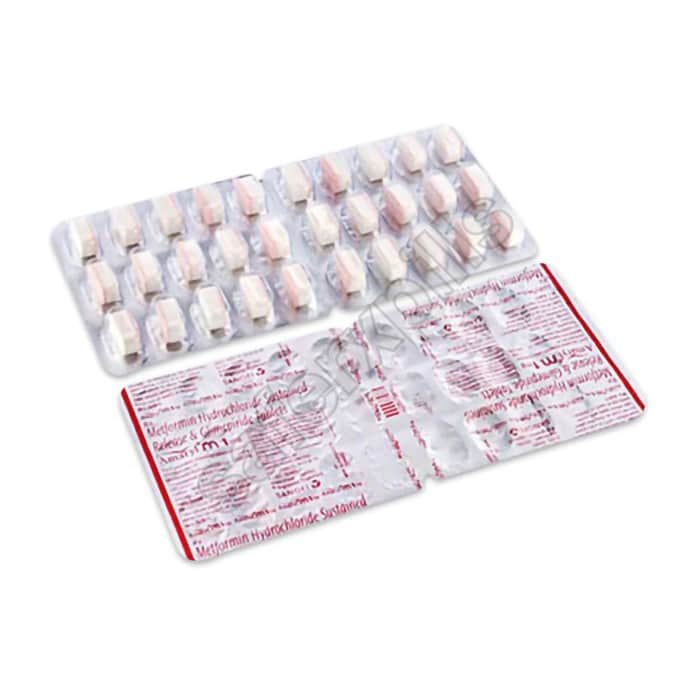
About Diabetrol Tablet
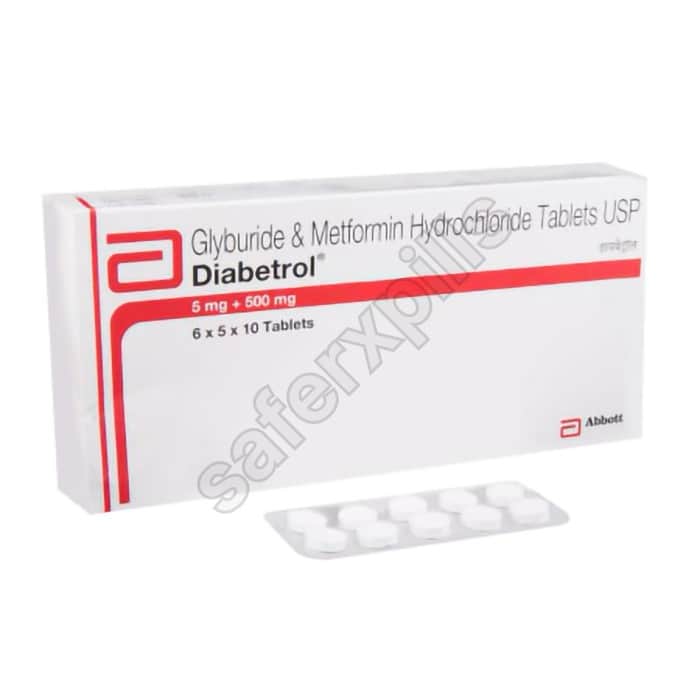
Diabetrol is an Abbott tablet sold in India that combines two type 2 diabetes medicines: 5 mg of glibenclamide, a sulfonylurea (called glyburide in the US and Canada), and 500 mg of metformin hydrochloride. Indian pharmacy listings (Medkart, PharmEasy) give the strength as 5 mg plus 500 mg in strips of 10, and Abbott sells a separate sustained release version, Diabetrol SR. We sell Diabetrol in packs of 60, 90 and 120 tablets at about $0.17 a tablet before shipping.
Three points before you read further. First, this is not a starting tablet: the US label for the same 5 mg/500 mg combination says people new to both medicines should start on a lower strength (1.25 mg/250 mg), and it needs a doctor, regular blood glucose and HbA1c checks, and kidney tests. Second, older people are at particular risk of low blood sugar with glibenclamide: after reports of more hospital admissions for low blood sugar with glibenclamide than with other sulfonylureas, Singapore's medicines regulator advised in 2013 avoiding it over the age of 60, and one Indian label for the same combination lists people over 70 as a contraindication. Third, shipping changes the price a lot: at $25 on every pack we sell, a US buyer with a prescription will usually pay less for US generics. This page uses the current US label for glyburide and metformin tablets, Indian and Australian labels, and UK metformin product information, all listed at the end.
Diabetrol at a glance
| Active ingredients | Glibenclamide (glyburide) 5 mg plus metformin hydrochloride 500 mg per tablet (Medkart and PharmEasy listings) |
| Brand and maker | Diabetrol, Abbott (Medkart names Abbott Health Care Private Limited, Apollo names Abbott India Ltd, Tata 1mg names Abbott, Mumbai) |
| Drug classes | Sulfonylurea (glibenclamide) and biguanide (metformin) |
| Regulatory status | Glyburide and metformin tablets, including a 5 mg/500 mg strength, are FDA approved as US generics. This Indian Diabetrol pack is not registered with the FDA, MHRA, TGA or Health Canada, Australia registers a glibenclamide plus metformin tablet (Glucovance, Viatris; prescription only, not on the PBS); we found none licensed in Canada (Health Canada brand-name search) and none on the UK emc. India approved glibenclamide 5 mg plus metformin 500 mg tablets in November 1996 |
| Usual dose from the label | US label: for people not controlled on a sulfonylurea or metformin alone, 2.5 mg/500 mg or 5 mg/500 mg twice daily with meals; maximum 20 mg glyburide and 2000 mg metformin a day (four Diabetrol tablets). People new to both medicines start on 1.25 mg/250 mg instead |
| Half-life | Glyburide: terminal half-life about 10 hours; metformin: plasma half-life about 6.2 hours (US label 12.3) |
| Packs | 60, 90 and 120 tablets (Indian strips hold 10) |
| Price per tablet | About $0.17 in every pack, before shipping; $0.38 to $0.58 with shipping |
| Delivery | 7 to 14 business days to the US, UK, Australia and Canada; $25 shipping under $149, free from $149 |
Price per tablet
Prices below are as of October 2026; the pack selector shows the current price.
| Pack | Price | Per tablet | Shipping | Per tablet with shipping |
|---|---|---|---|---|
| 60 tablets | $10 | $0.17 | $25 | $0.58 |
| 90 tablets | $15 | $0.17 | $25 | $0.44 |
| 120 tablets | $20 | $0.17 | $25 | $0.38 |
The price per tablet is the same in all three packs. The only difference is how the $25 shipping charge is spread: it costs more than the tablets in every pack. The free shipping line of $149 would take at least $150 of Diabetrol (900 tablets, for example seven 120 packs and one 60 pack), which is far more than anyone should buy at once, because diabetes doses and kidney function change and the strips have an expiry date.
How long a pack lasts depends on the dose your doctor sets. The US label gives this strength twice daily with meals, and Torrent's Indian label for another glibenclamide 5 mg plus metformin 500 mg tablet recommends one tablet twice daily. Our estimate:
| Pack | At 1 tablet twice a day | At 4 tablets a day (label maximum) |
|---|---|---|
| 60 tablets | 30 days | 15 days |
| 90 tablets | 45 days | 22 days |
| 120 tablets | 60 days | 30 days |
Delivery takes 7 to 14 business days, so order well before your current supply ends, and check the expiry date on the strips when they arrive.
Compared with US generics
| Diabetrol (ours) | US generic glyburide and metformin 5 mg/500 mg | US generic glyburide 5 mg plus generic metformin 500 mg | |
|---|---|---|---|
| What you take | One combination tablet | One combination tablet | Two separate tablets |
| Maker | Abbott (India) | Several US generic makers (for example Aurobindo) | Several US generic makers |
| FDA approved | No | Yes | Yes, each as a single-ingredient tablet |
| Cost per tablet (or per pair) | $0.17 before shipping, $0.38 to $0.58 with shipping | About $0.19 (NADAC $0.18992) | About $0.08 (NADAC $0.06830 plus $0.01483) |
NADAC is the average price US pharmacies pay to buy a medicine, published by the US Medicaid programme; it is not the price a patient pays at the counter. The figures are the per-tablet rows for generic glyburide and metformin 5 mg/500 mg tablets ($0.18992), generic glyburide 5 mg tablets ($0.06830) and generic metformin 500 mg tablets ($0.01483), all effective 21 October 2026. Before shipping, our tablet costs a little less than the US combination tablet's acquisition cost; once our $25 shipping is added, it costs two to three times more, and the two separate US generics cost less again. If you are in the US and have a prescription, compare US generic cash prices first.
Separate tablets are not an exact swap for a combination tablet. The US combination label says the glyburide in its 5 mg/500 mg tablet gave 7% more exposure (AUC) than standard glyburide taken with metformin, and that bioequivalence has not been established between the combination and single-ingredient standard glyburide tablets. We have seen no study comparing Diabetrol with the US tablets. Any change between products is a decision for your doctor, with closer glucose checks afterwards.
The original US brand of this combination, Glucovance, is listed by the FDA as discontinued, with a note that the Federal Register determined it was not discontinued or withdrawn for reasons of safety or effectiveness. Generic versions are still sold in the US.
Which strength to choose
| Product | Glibenclamide | Metformin | How it fits the labels |
|---|---|---|---|
| Diabetrol | 5 mg | 500 mg | US label: one of two starting strengths for people not controlled on a sulfonylurea or metformin alone, taken twice daily; not for people new to both medicines |
| Diabetrol SR | 5 mg | 500 mg, sustained release (Medkart listing) | A different release form; Sanofi's Indian label for a similar 5 mg/500 mg sustained release tablet (Daonil M) starts with one tablet once daily with meals |
There is no lower Diabetrol strength in our range. The US label's lower strengths, 1.25 mg/250 mg (the starting tablet for people new to both medicines) and 2.5 mg/500 mg, are not Diabetrol products. The US label sets a maximum of 20 mg glyburide and 2000 mg metformin a day, so four Diabetrol tablets reach both limits at once; Torrent's Indian label for the same strength sets the same maximum and says the daily dose should be raised by no more than 5 mg/500 mg at a time. Australia's combination label (Glucovance) sets a maximum of 3 tablets of 500 mg/5 mg a day, and 4 only in exceptional cases, and recommends that people aged 65 or over are not titrated to the maximum dose.
The limit of a fixed combination. With separate tablets, a doctor can change glibenclamide without touching metformin, and the other way round. With Diabetrol, every tablet you add or remove changes both medicines by the same step. The Australian Daonil label adds that glibenclamide needs may fall as diabetes control improves, so a timely dose reduction or stopping "must therefore be considered" to avoid low blood sugar. If you also want to compare other combinations, Sanofi's Amaryl M 2mg pairs metformin with glimepiride instead; metformin alone is sold as Glycomet 500mg. These are not substitutes you can switch between without your doctor.
How to take Diabetrol
- Take it exactly as your doctor prescribes. The US label gives glyburide and metformin tablets in divided doses, twice daily, with meals, and says the starting dose for someone already on both medicines "should not exceed the daily dose" of glyburide and metformin already being taken.
- Take it with a meal and do not skip the meal. The US label says low blood sugar is more likely when caloric intake is deficient, after severe or prolonged exercise, or when alcohol is taken.
- Swallow the tablet whole, as the PharmEasy listing advises.
- If you are taking colesevelam, take Diabetrol at least 4 hours before it (US label 2.2).
- Check your blood glucose as your doctor advises. The US patient information says your doctor will check your diabetes with regular blood tests, including blood sugar and HbA1c.
- Have your kidney function (eGFR) tested before starting and at least once a year (US label 5.1). The US label says older people should be tested more often; Sanofi's Daonil M label suggests every 3 to 6 months for older people and those at risk of falling kidney function.
- Tell any doctor who plans an X-ray or scan with contrast dye, or surgery, that you take metformin (see below).
- Never start, stop, switch or combine diabetes medicines on your own. If you are on separate glibenclamide and metformin tablets now, only your doctor can decide whether Diabetrol matches your doses.
Lower doses and extra care for some groups
- Older people. The US label says elderly patients are particularly susceptible to the blood sugar lowering action, that low blood sugar may be difficult to recognise in them, and that dose selection should be cautious, usually starting at the low end of the dosing range. Torrent's Indian label for a glibenclamide 5 mg plus metformin 500 mg tablet lists "Elderly (> 70 years)" as a contraindication. Australia's Glucovance label recommends starting older people on one daily dose of metformin 250 mg with glibenclamide 1.25 mg, and not titrating people aged 65 or over to the maximum dose. Singapore's Health Sciences Authority advised in December 2013 that glibenclamide "should be avoided" in patients older than 60, after reports of more hospital admissions for low blood sugar with glibenclamide than with other sulfonylureas. Diabetrol has no lower strength, so in our reading of these labels it is not suitable for an older person starting glibenclamide; ask your doctor about other options.
- Kidney impairment. The US label contraindicates the combination at an eGFR below 30 mL/min/1.73 m2, says starting it at an eGFR of 30 to 45 "is not recommended", and says to assess the benefit and risk of continuing if eGFR falls below 45. Torrent's Indian label lists an eGFR below 45 as a contraindication. Australia's Glucovance label contraindicates it when creatinine clearance is below 60 mL/min, and asks for kidney tests at least yearly, or two to four times a year in older people. The Health Sciences Authority advised avoiding glibenclamide at an eGFR below 60 or with serum creatinine above the upper limit of normal.
- Liver problems. The US label says the combination "is not recommended" in patients with hepatic impairment and to avoid it with clinical or laboratory evidence of liver disease, because of lactic acidosis; clearance of glyburide may also be prolonged in liver disease. Sanofi's Daonil M label lists serious hepatic dysfunction as a contraindication, and Torrent's label lists hepatic impairment.
- People more prone to low blood sugar. The US label says to start with a lower dose in people who may be predisposed to low blood sugar, such as older people, people with kidney impairment and people on other diabetes medicines, and names debilitated or malnourished people and those with adrenal, pituitary or liver problems as particularly susceptible.
- Illness, injury, surgery and fever. The Australian Daonil label says blood glucose control may deteriorate in these situations and a temporary change to insulin may become necessary. The US label says to stop the tablets for a while when food and fluids are restricted for surgery or other procedures.
Low blood sugar (hypoglycaemia)
Low blood sugar is the main day to day risk of the glibenclamide part. The US label states: "All sulfonylurea drugs, including glyburide and metformin hydrochloride, are capable of producing severe hypoglycemia", and that severe hypoglycaemia "can lead to unconsciousness or convulsions and may result in temporary or permanent impairment of brain function or death." The US patient information calls low blood sugar "a serious, but common side effect".

In that trial of 806 people who had not taken either medicine before, symptoms of low blood sugar were reported by 38% on the 2.5 mg/500 mg tablet, against 21% on glyburide alone and 3% on placebo or metformin alone. Doses in the trial were raised up to 4 tablets a day as needed (US label section 14). In people whose diabetes was not controlled on a sulfonylurea alone, the label says about 6.8% of those given the combination had symptoms of low blood sugar.
Who is more at risk (US label 5.2 and Australian Daonil label): older people; kidney or liver impairment; debilitated or malnourished people; adrenal or pituitary problems; skipped meals or too little food; severe or prolonged exercise; alcohol; and other diabetes medicines, including insulin. Warning signs can be weaker or different in older people, in people with nerve damage (autonomic neuropathy) and in people taking beta blockers or other sympatholytic medicines, so severe low blood sugar can come on before the person notices (US label 5.2).
Signs listed in the US patient information: headache, hunger, dizziness, drowsiness, fast heartbeat, sweating, weakness, confusion, blurred vision, irritability, shaking or feeling jittery, anxiety, slurred speech and mood changes.
What to do. The Australian Daonil label says low blood sugar can almost always be promptly controlled by immediate intake of carbohydrates (glucose or sugar, for example sugar lumps, sugar-sweetened fruit juice or tea), and that it may come back despite initially successful treatment, so the person must remain under close observation. The US label says mild symptoms are treated with oral glucose; severe reactions with coma, seizures or other neurological problems are medical emergencies treated with glucagon or glucose into a vein, with monitoring for at least 24 to 48 hours because low blood sugar may come back. If someone is unconscious or cannot swallow, call emergency services; as general first aid, do not put food or drink in their mouth. The US patient information says not to drive or operate machinery until you know how the tablets affect you.
Lactic acidosis
The US label carries a boxed warning for lactic acidosis caused by metformin, a rare build-up of acid in the blood. It says postmarketing cases "have resulted in death, hypothermia, hypotension, and resistant bradyarrhythmias", and that the onset "is often subtle". The US patient information calls it "a medical emergency" that "must be treated in a hospital".
The US label lists these risk factors: kidney impairment, some medicines (for example carbonic anhydrase inhibitors such as topiramate), age 65 or older, X-ray studies with contrast, surgery and other procedures, low oxygen states such as acute heart failure, excessive alcohol, liver impairment and mitochondrial diseases. Sanofi's Daonil M label adds inadequately controlled diabetes, ketosis and prolonged fasting, and says to stop metformin for a while if you become dehydrated.
Symptoms (US patient information): feeling very weak and tired, unusual sleepiness or sleeping longer than usual, unusual muscle pain, feeling cold especially in the arms and legs, trouble breathing, feeling dizzy or lightheaded, unexplained stomach or intestinal problems with nausea and vomiting or diarrhoea, and a slow or irregular heartbeat. The patient information says to stop taking the tablets and call your doctor right away; Sanofi's Daonil M label says the patient "should stop taking metformin and seek immediate medical attention".
Contrast dye and surgery. Sanofi's Daonil M label says intravascular iodinated contrast (dye injected into a blood vessel) may lead to kidney damage, which lets metformin build up and raises the risk of lactic acidosis, so metformin should be stopped before, or at the time of, the imaging procedure and not restarted until at least 48 hours after; it also says metformin must be stopped at the time of surgery under general, spinal or epidural anaesthesia and restarted no earlier than 48 hours after surgery or after eating again. The US label says to stop the tablets at the time of, or before, an iodinated contrast imaging procedure in people with an eGFR of 30 to 60, a history of liver disease, alcoholism or heart failure, or when contrast is given into an artery, then recheck eGFR 48 hours later and restart only if kidney function is stable (US 2.4). Australia's Glucovance label lists intravascular iodinated contrast and major surgery among its contraindications: it must be stopped 48 hours before the test if kidney function is impaired, or from the time of the test if it is normal, and 48 hours before elective major surgery, and restarted no sooner than 48 hours afterwards and only after kidney function has been rechecked and found normal.
Side effects
The figures below come from the US label for glyburide and metformin tablets. Table 1 pooled two double-blind trials of 20 and 14 weeks, in which 642 people took the combination.
| Effect | Combination | Metformin alone | Glyburide alone | Placebo |
|---|---|---|---|---|
| Diarrhoea | 17% | 21% | 6% | 6% |
| Headache | 9% | 9% | 11% | 11% |
| Nausea or vomiting | 8% | 12% | 5% | 6% |
| Abdominal pain | 7% | 8% | 3% | 4% |
| Dizziness | 6% | 4% | 6% | 4% |
Source: US label section 6.1, Table 1 (adverse reactions in more than 5% of patients). The label says stomach and gut effects were the most common and were more frequent at higher doses, and fewer than 2% of people stopped because of them. Other figures in the US label: allergic skin reactions (itching, redness, hives, rash) in 1.5% of people on glyburide; and, in 29 week metformin trials, a fall of vitamin B12 to below normal in about 7%, with the advice to check blood counts every year and vitamin B12 every 2 to 3 years; Australia's Glucovance label recommends checking vitamin B12 every year. Sanofi's Daonil M label says that, like all sulfonylureas, glibenclamide can cause weight gain; in the US label's 20 week trial, weight rose by 1.9 kg on the 2.5 mg/500 mg tablet and fell by 0.7 kg on placebo.
Postmarketing reports in the US label, without a reliable frequency, include angioedema, joint and muscle pain, vasculitis, sensitivity to light, blood disorders (including low white cells, agranulocytosis, low platelets, haemolytic anaemia and aplastic anaemia), liver injury, cholestatic jaundice and hepatitis that may progress to liver failure, low blood sodium and blurred vision as blood glucose changes.
The heart warnings. The US label carries a warning on increased risk of cardiovascular death with oral diabetes medicines, based on the UGDP study, in which patients on tolbutamide for 5 to 8 years had a cardiovascular death rate about 2.5 times that of diet alone. The label notes "controversy regarding the interpretation of these results", and says the warning may also apply to other sulfonylureas. The Australian Daonil label says epidemiological studies suggest glibenclamide is associated with an increased risk of cardiovascular mortality compared with metformin or gliclazide, especially in patients with diagnosed coronary disease, and Sanofi's Daonil M label says it may be associated with that risk. The US label adds that no study has shown conclusive evidence of a reduction in heart and blood vessel disease with this combination. Ask your doctor what this means for you.
When to get urgent help
Get emergency help, or ask someone to call for you, if you have:
- Low blood sugar that does not improve after taking sugar, comes back, or causes confusion, fits, fainting or loss of consciousness.
- Signs of lactic acidosis: severe weakness or tiredness, unusual sleepiness, muscle pain, trouble breathing, feeling cold, dizziness, a slow or irregular heartbeat, or stomach problems with vomiting. Stop the tablets and get medical help straight away.
- Swelling of the lips, tongue, face or throat, trouble breathing or swallowing, hives, a spreading rash, or blistering or peeling skin. The US label reports angioedema with this combination.
- Unusual bruising or bleeding, which can mean a low platelet count, or yellow skin or eyes, dark urine or pale stools, which can mean liver injury.
- Taking more than your prescribed dose. The US patient information says to call your doctor or go to the nearest hospital emergency room right away.
- A child swallowing a tablet. The Australian Daonil label says fatal low blood sugar has occurred with as little as 2.5 to 5 mg of glibenclamide, which is one Diabetrol tablet or less. Call emergency services or a poisons line straight away (US 1-800-222-1222, Australia 13 11 26).
Tell the emergency staff that you took glibenclamide (glyburide) and metformin (Diabetrol), how much and when.
If vomiting, severe diarrhoea, fever or not drinking enough leaves you dehydrated, Sanofi's Daonil M label says metformin should be stopped for a while. Because Diabetrol contains both medicines, and not eating raises the risk of low blood sugar from glibenclamide, ask your doctor straight away what to do with your tablets.
Who should not take Diabetrol
Never take it if (US label contraindications, unless another label is named):
- you are allergic to glyburide (glibenclamide), metformin or any ingredient of the tablet. The Australian Daonil and Sanofi Daonil M labels warn that people allergic to other sulfonamide derivatives may react to glibenclamide too. Torrent's and Australia's Glucovance labels also list sensitivity to other sulfonylureas (Glucovance: or sulfonamides) as a contraindication.
- your eGFR is below 30 mL/min/1.73 m2 (severe kidney impairment). Torrent's Indian label sets the line at an eGFR below 45.
- you have acute or chronic metabolic acidosis, including diabetic ketoacidosis
- you take bosentan, a medicine for pulmonary hypertension (raised liver enzymes)
- you take miconazole by mouth or as an oral gel (Australian Glucovance label)
- you have type 1 diabetes, or an acute condition that can affect the kidneys (dehydration, severe infection, shock), or a condition that can starve tissues of oxygen (decompensated heart failure, respiratory failure, recent heart attack, shock): these are contraindications in Sanofi's Daonil M label
- you have serious liver problems or alcoholism (Daonil M label), or porphyria (Torrent label)
- you are pregnant or breastfeeding: contraindications in the Indian Daonil M label and Australia's Glucovance and Daonil labels; Torrent's label lists pregnancy (see below)
Avoid, not recommended or use only with care:
- Older people: see the groups above (Torrent: contraindicated over 70; Singapore's regulator: avoid over 60; US: start at the low end).
- Starting it at an eGFR of 30 to 45: "not recommended" (US label).
- Liver impairment: "not recommended" (US label).
- Known mitochondrial disease such as MELAS or MIDD: "not recommended" (US label, Daonil M label).
- G6PD deficiency: the US label says to avoid use, because sulfonylureas can cause haemolytic anaemia; haemolytic anaemia has also been reported in people without known G6PD deficiency.
- Heart failure: Daonil M says that in stable chronic heart failure metformin may be used with regular monitoring of heart and kidney function, and that acute or unstable heart failure is a contraindication. Australia's Glucovance label is stricter: it lists acute or chronic disease which may cause tissue hypoxia, such as cardiac or respiratory failure, as a contraindication, and Torrent's label lists decompensated heart failure. The US label lists acute congestive heart failure as a lactic acidosis risk. Only your doctor can decide.
- Heavy drinking: the US label warns against excessive alcohol intake, acute or chronic.
- Hypothyroidism: Daonil M recommends regular TSH monitoring.
- Children: the US label says safety and effectiveness have not been established.
Pregnancy and breastfeeding. Sanofi's Daonil M label says the combination is contraindicated in pregnancy and lactation and that patients must switch to insulin during pregnancy or when planning a pregnancy; the Australian Daonil label says glibenclamide "must not be taken during pregnancy" and that patients planning a pregnancy must inform their physician; Australia's Glucovance label says it "must not be used for the treatment of diabetes during pregnancy" and should not be used in nursing mothers. The US label is less strict: it says glyburide crosses the placenta and that the tablets should be stopped at least two weeks before the expected delivery, because of prolonged severe low blood sugar in newborns, and that breastfed infants should be watched for low blood sugar. The 2025 UK Glucophage label allows metformin alone to be considered in pregnancy, but that applies to metformin taken on its own, not to this combination with glibenclamide. The US label also says the tablets may cause ovulation in some women who do not ovulate, which can raise the chance of pregnancy.
Medicines that interact
- Medicines that can increase the sugar-lowering effect (US label Table 3): NSAID painkillers and other highly protein-bound medicines, salicylates, sulfonamides, chloramphenicol, probenecid, coumarin blood thinners, MAO inhibitors and beta blockers, and possibly ciprofloxacin and miconazole. Watch closely for low blood sugar when one is started, and for loss of control when one is stopped.
- Medicines that can weaken the effect (higher blood sugar): thiazide and other diuretics, corticosteroids, phenothiazines, thyroid medicines, oestrogens and the contraceptive pill, phenytoin, nicotinic acid, sympathomimetics, calcium channel blockers and isoniazid.
- Bosentan: contraindicated (raised liver enzymes).
- Miconazole (by mouth or oral gel): contraindicated in Australia's Glucovance label (risk of low blood sugar, even coma).
- Colesevelam: reduces glyburide absorption; take Diabetrol at least 4 hours before it.
- Beta blockers and other sympatholytic medicines can hide the warning signs of low blood sugar (US label 5.2).
- Carbonic anhydrase inhibitors (topiramate, zonisamide, acetazolamide, dichlorphenamide) may increase the lactic acidosis risk.
- Medicines that reduce metformin clearance, such as ranolazine, vandetanib, dolutegravir and cimetidine, can raise metformin levels.
- Medicines that can affect the kidneys, such as NSAIDs, ACE inhibitors, angiotensin II receptor blockers and diuretics, especially loop diuretics: the UK Glucophage label says close monitoring of kidney function is needed.
- Alcohol: it strengthens metformin's effect on lactate and makes low blood sugar more likely. The US label warns against excessive alcohol intake.
Tell your doctor or pharmacist about every medicine and supplement you take before you start, and before you start anything new.
Prescription and legal status
In India, the regulator (DCG(I)) approved glibenclamide 5 mg plus metformin 500 mg tablets on 26 November 1996 for people poorly controlled on a sulfonylurea or biguanide alone, and the Indian listings we checked (Medkart, Tata 1mg, Apollo) mark Diabetrol as prescription required.
In the US, glyburide and metformin tablets are prescription medicines ("Rx only") sold as FDA-approved generics; the Glucovance brand is discontinued, and the FDA says personal importation of unapproved medicines is illegal in most circumstances. In Canada, generic glyburide tablets (for example Apo-Glyburide and Teva-Glyburide) are marketed as prescription medicines, and the Health Canada Drug Product Database, searched by brand name, showed no glyburide plus metformin product. In Australia, Daonil (glibenclamide 5 mg) and Glucovance (metformin with glibenclamide, 500/2.5 and 500/5 mg) are Schedule 4 Prescription Only Medicines; Glucovance is not on the PBS. In the UK, the electronic medicines compendium lists glibenclamide only as Amglidia, an oral suspension for babies and children with neonatal diabetes, and no glibenclamide plus metformin tablet; emc is not the full MHRA register, and we did not check glibenclamide's UK legal category. The NHS says metformin is only available with a prescription. Diabetrol itself is not registered with the FDA, the MHRA, the TGA or Health Canada. Check the rules where you live.
Buying genuine Diabetrol
The MHRA warns that "Any medicine not authorised for sale in the UK can be unsafe or ineffective and there is no way of knowing what is in them or the negative health effects they can have", and it advises UK buyers to "Only use UK-registered pharmacies, including online pharmacies displaying the official green cross logo". That warning covers Diabetrol, which is not authorised in the UK. When your order arrives, read the strip: it should say Diabetrol, list glibenclamide 5 mg and metformin hydrochloride 500 mg, name Abbott, and carry a batch number and an expiry date. Check that it is plain Diabetrol and not Diabetrol SR, since the two are taken differently. These checks cannot prove that tablets are genuine, because counterfeiters copy packaging. Check your blood glucose closely during the first weeks on any new supply, and tell your doctor if your readings change. If a batch causes unusual symptoms, seek medical advice and report it to your medicines regulator (the MHRA Yellow Card scheme in the UK, FDA MedWatch in the US, the TGA in Australia or Health Canada) as well as to us.
Delivery
We ship Diabetrol to the US, UK, Australia and Canada in plain packaging with tracking. Standard delivery takes 7 to 14 business days to most countries. Shipping costs a flat $25 on orders under $149 and is free from $149. Indian listings say to store the strips at room temperature, away from moisture and heat (PharmEasy). Diabetes tablets should not run out: order well before your current supply ends, and do not stop or ration your tablets while you wait. See our shipping page and refund policy.
Related guides
- Metformin dosage guide: starting doses, titration steps and maximum daily limits
- Metformin side effects: trial incidence rates, GI timing and B12 monitoring
- Metformin vs glimepiride: how the two most prescribed oral diabetes tablets differ
- Buy Amaryl (glimepiride) online: dosing, hypoglycaemia risk and what to verify first
Other form: Diabetrol SR.
Sources
- Glyburide and metformin hydrochloride tablets USP, US prescribing information and patient information, Aurobindo Pharma, revised 06/2026 (DailyMed setid 7010b662-8b34-49ce-8e5b-73dee0821a60, SPL version 19, 3 July 2026): boxed warning, sections 1, 2.1 to 2.4, 3, 4, 5.1 to 5.6, 6.1 (Tables 1 and 2), 6.2, 7 (Table 3), 8.1 to 8.7, 10, 12.3, 14, 16, 17. DailyMed
- Torrent Pharmaceuticals. DIBETA Gb (glibenclamide and metformin tablets IP, 5 mg/500 mg), abbreviated prescribing information, February 2026: dosage, contraindications, warnings. Torrent
- Sanofi India. Daonil M (glibenclamide 5 mg and metformin hydrochloride 500 mg sustained release tablets), abridged prescribing information, updated December 2025: dosage, renal monitoring, contraindications, warnings, pregnancy and lactation. Sanofi India
- Australian product information, Glucovance (metformin hydrochloride and glibenclamide), Alphapharm (Viatris), revised 26 August 2026: sections 4.2 to 4.6. medsinfo
- Australian product information, Daonil (glibenclamide) tablet, sanofi-aventis australia, revised 23 April 2026: sections 4.2, 4.3, 4.4, 4.6, 4.9, 7. medsinfo
- Glucophage 500 mg and 850 mg film-coated tablets, UK SmPC, Merck, last updated on emc 22 December 2025: sections 4.2 to 4.6. emc
- Amglidia (glibenclamide) oral suspension, UK SmPC, last updated on emc 27 January 2025: section 4.1. emc
- Health Sciences Authority, Singapore. Recommendations to avoid use of glibenclamide in the elderly and renal-impaired, 31 December 2013. HSA
- Central Drugs Standard Control Organisation. Fixed dose combinations approved by DCG(I) since 1961 to 31 December 2019, item 232 (26.11.1996). CDSCO
- US Food and Drug Administration, Drugs@FDA: Glucovance (NDA 021178), all strengths discontinued, with the Federal Register determination note; checked 21 October 2026.
- Centers for Medicare and Medicaid Services. National Average Drug Acquisition Cost (NADAC) 2026: glyburide-metformin 5-500 mg $0.18992, glyburide 5 mg $0.06830 and metformin HCl 500 mg $0.01483 per tablet, effective 21 October 2026. data.medicaid.gov
- Health Canada Drug Product Database, glyburide products and status, searched 21 October 2026. Health Canada
- healthdirect Australia, medicines that contain glibenclamide. healthdirect
- NHS. Metformin. NHS
- Indian pharmacy listings for Diabetrol and Diabetrol SR (PharmEasy, Medkart, Tata 1mg, Apollo Pharmacy), checked 21 October 2026.
- MHRA. 20 million illegal erectile dysfunction pills seized as MHRA warns against risky online buys, 13 February 2026. GOV.UK
- US Food and Drug Administration. Personal Importation. FDA
This page is for information and is not medical advice. Diabetrol is a prescription diabetes medicine. Take it only as prescribed by a doctor who monitors your blood glucose, HbA1c and kidney function, and do not start, stop or switch diabetes medicines without your doctor.
Frequently asked questions
What is Diabetrol?
Diabetrol is an Abbott tablet sold in India for type 2 diabetes. Indian listings (Medkart, PharmEasy) give each tablet as glibenclamide 5 mg, a sulfonylurea also called glyburide, plus metformin hydrochloride 500 mg. India approved glibenclamide 5 mg plus metformin 500 mg tablets in 1996 for people poorly controlled on a sulfonylurea or metformin alone. Glyburide and metformin tablets are FDA approved as US generics and Australia registers Glucovance, but this Indian Diabetrol pack is not registered with the FDA, MHRA, TGA or Health Canada.
Is Diabetrol the same as Glucovance or US glyburide and metformin tablets?
It contains the same two medicines at a strength the US also sells (5 mg/500 mg). Glucovance, the original US brand, is listed by the FDA as discontinued, not for reasons of safety or effectiveness, and generics are still sold; Glucovance remains registered in Australia. We have seen no study comparing Diabetrol with the US tablets, and the US label says bioequivalence has not been established between its combination tablet and single-ingredient standard glyburide tablets, so any switch between products is a decision for your doctor, with closer glucose checks afterwards.
What does Diabetrol cost per tablet?
As of October 2026 it costs about $0.17 a tablet in all three packs (60 for $10, 90 for $15, 120 for $20), before shipping. Shipping is $25 under $149, so with shipping a single pack works out at $0.58, $0.44 or $0.38 a tablet. In the US, NADAC (pharmacy acquisition cost, effective 21 October 2026) was $0.18992 for a generic 5 mg/500 mg combination tablet and about $0.08 for separate generic glyburide 5 mg and metformin 500 mg tablets, so US buyers with a prescription should compare US generic cash prices first. The pack selector shows the current price.
How do I take Diabetrol?
Take it exactly as your doctor prescribes. The US label gives glyburide and metformin tablets twice daily with meals, and Torrent's Indian label for another 5 mg/500 mg tablet recommends one tablet with the morning meal and one with the evening meal. Do not skip the meal after a dose. If you take colesevelam, take Diabetrol at least 4 hours before it. Check your blood glucose as advised, and have HbA1c and kidney tests as your doctor arranges.
Can I start on Diabetrol if I have never taken diabetes tablets?
Not according to the US label. It says people not treated with either glyburide or metformin should start on a lower strength, 1.25 mg/250 mg, once or twice daily. The 5 mg/500 mg strength in Diabetrol is one of the starting strengths only for people whose diabetes is not controlled on a sulfonylurea or metformin alone. We do not sell a lower Diabetrol strength, so talk to your doctor about the right starting medicine.
How long does a pack of Diabetrol last?
At one tablet twice a day, our estimate is 30 days for the 60 pack, 45 days for the 90 pack and 60 days for the 120 pack. At the label maximum of four tablets a day it is 15, about 22 and 30 days. Delivery takes 7 to 14 business days, so order before your supply runs low, and do not stop or ration your tablets while you wait.
What is the maximum dose of Diabetrol?
The US label sets a maximum of 20 mg glyburide and 2000 mg metformin a day, which is four Diabetrol tablets; Torrent's Indian label for the same strength sets the same maximum and says to raise the daily dose by no more than 5 mg/500 mg at a time. Australia's combination label (Glucovance) sets a maximum of 3 tablets of 500 mg/5 mg a day, and 4 only in exceptional cases, and recommends that people aged 65 or over are not titrated to the maximum dose. Your doctor sets your dose from your blood glucose; never take more on your own.
Is Diabetrol safe for older people?
Glibenclamide needs particular care in older people. The US label says elderly patients are particularly susceptible to low blood sugar, which may be hard to recognise, and that dosing should usually start at the low end of the range. Torrent's Indian label for a glibenclamide 5 mg plus metformin 500 mg tablet lists people over 70 as a contraindication, Australia's Glucovance label recommends starting older people on metformin 250 mg with glibenclamide 1.25 mg once daily and not titrating people aged 65 or over to the maximum dose, and Singapore's Health Sciences Authority advised in 2013 that glibenclamide should be avoided in people over 60. If you are older, ask your doctor whether a different medicine would suit you better.
What are the side effects of Diabetrol?
In the US label's pooled trials, the most common effects with the combination were diarrhoea (17%), headache (9%), nausea or vomiting (8%), abdominal pain (7%) and dizziness (6%). Low blood sugar is the main risk of the glibenclamide part and can be severe. Metformin can rarely cause lactic acidosis, a medical emergency, and can lower vitamin B12 with long-term use. Get urgent help for low blood sugar that does not improve with sugar, signs of lactic acidosis, or swelling of the face, lips or throat.
Who should not take Diabetrol?
The US label contraindicates it with severe kidney impairment (eGFR below 30), allergy to glyburide or metformin, metabolic acidosis including diabetic ketoacidosis, and bosentan. Sanofi's Indian Daonil M label adds type 1 diabetes, serious liver problems, alcoholism, conditions that starve tissues of oxygen such as decompensated heart failure, and pregnancy and breastfeeding; Australia's Glucovance label adds creatinine clearance below 60 mL/min, cardiac or respiratory failure, major surgery and miconazole; Torrent's Indian label also lists an eGFR below 45, porphyria and age over 70. Mitochondrial disease and G6PD deficiency are other reasons to avoid it. Your doctor needs your full history first.
Do I need a prescription for Diabetrol, and how long does delivery take?
Glyburide and metformin tablets are prescription medicines in the US, glyburide is prescription only in Canada, and glibenclamide, alone (Daonil) or with metformin (Glucovance), is Schedule 4 (prescription only) in Australia; the NHS says metformin is only available with a prescription in the UK. Indian listings (Medkart, Tata 1mg, Apollo) mark Diabetrol as prescription required. The FDA says personal importation of unapproved medicines is illegal in most circumstances. We ship in plain packaging with tracking in 7 to 14 business days; shipping is $25 under $149 and free from $149.
Medical References
Sources: U.S. National Library of Medicine (DailyMed, PubMed), openFDA
Related articles
How to Apply Estradiol Gel: Where to Put It, Pump vs Packet, and What Changes Absorption
Where and how to apply estradiol gel, product by product: the arm for EstroGel and Elestrin pumps, the upper thigh for Divigel and generic 0.1% packets. Covers priming, drying and no-contact times, what washing, sunscreen and moisturizer do to absorption, missed doses, the 2026 boxed warning change and who should not use it.
Read article
Diane-35 in the USA: Why It Isn't FDA-Approved, What It Treats, Clot Risk and US Alternatives
Diane-35 combines cyproterone acetate 2 mg with ethinylestradiol 35 micrograms for acne and hirsutism in women. It is prescribed in Canada, the UK, Australia and India but has never been FDA-approved. This guide covers its licensed uses, trial results, the 2013 European review, blood clot risk against other pills, the 2020 meningioma review, who should not take it, and FDA-approved US alternatives.
Read article
Brand vs Generic Drug Prices: What US Pharmacies Pay for Viagra, Cialis, Latisse and More (NADAC, October 2026)
CMS NADAC data for the week of 28 October 2026 shows what US pharmacies pay for brand and generic versions of Viagra, Cialis, Propecia, Latisse, Lumigan and Stromectol. Generic ED and hair loss tablets cost under 2% of the brand price, while eye and lash generics cost 42% to 65%. Includes 2026 trends, supplier counts and the full method.
Read articleCustomer Reviews
No reviews yet. Bought Diabetrol Tablet? Tell other buyers how it went.