
Solu-Medrol 500mg
Generic: Methylprednisoloneby Pfizer India Ltd
Similar medicines
View all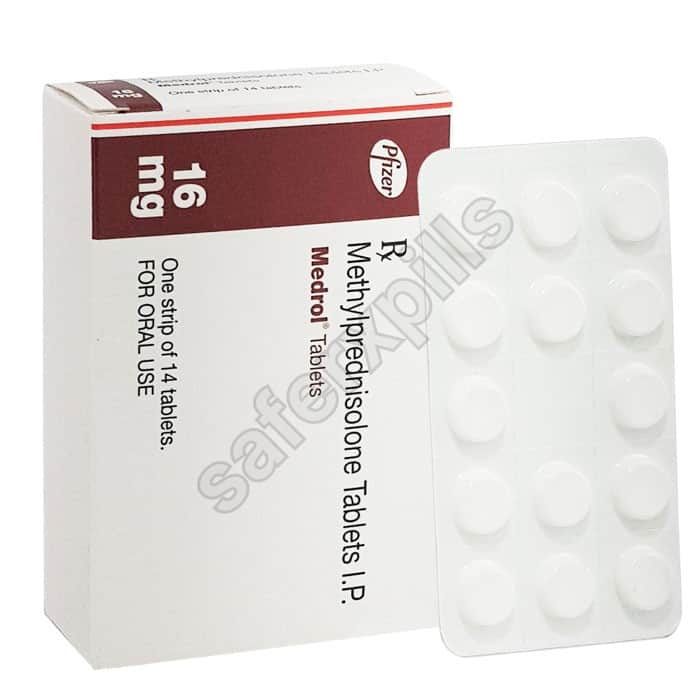
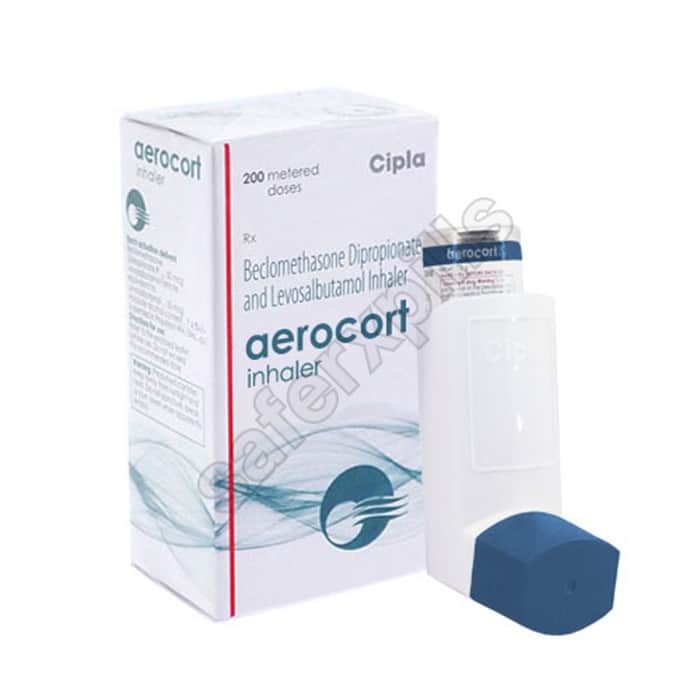
About Solu-Medrol 500mg
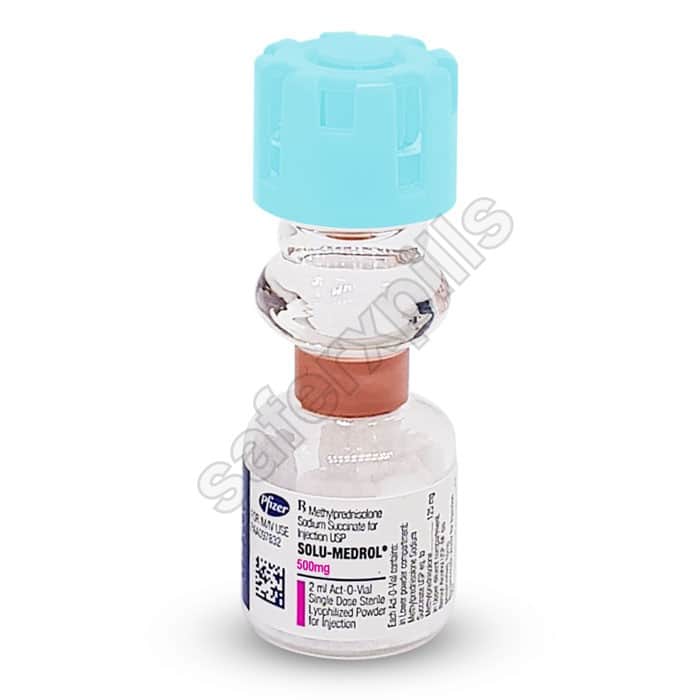
Solu-Medrol 500mg is a single vial of methylprednisolone sodium succinate powder, equal to 500 mg of methylprednisolone, sold in India by Pfizer. Methylprednisolone is a corticosteroid (steroid) medicine. As a dissolved injection it is given into a vein or a muscle when a strong, fast steroid effect is needed and tablets are not suitable, for example as a short course of high doses (often called pulse therapy) for a relapse of multiple sclerosis, a flare of lupus or kidney inflammation, or a transplant rejection episode. We sell it as 1, 3 or 6 vials, from $29.17 a vial in the 6 pack.
Three points first. This is a hospital and clinic medicine, not a home medicine. The US, UK and Australian labels are prescribing information written for doctors and nurses (the UK SmPC says it is "for use by healthcare professionals") and none of them describes self-injection. They say high intravenous doses should be given over at least 30 minutes, and the UK and US labels report heart rhythm problems and cardiac arrest after fast injection of large doses. Second, it is not for emergencies bought by post: a severe asthma attack or a severe allergic reaction needs emergency services now, and the UK label says that in anaphylaxis adrenaline (epinephrine) comes first. Our delivery takes 7 to 14 business days. Third, 500 mg is a high dose. Under the UK label, an adult with severe asthma (status asthmaticus) may be given 40 mg into a vein, repeated as needed, so a 500 mg vial is not an asthma attack product. In our view you should only order this product if the doctor or infusion clinic that will give it has asked you to supply it. This page sets out the doses, warnings and storage rules from the current US, UK and Australian labels, listed at the end.
Solu-Medrol 500mg at a glance
| Active ingredient | Methylprednisolone sodium succinate, equal to 500 mg methylprednisolone, one vial of powder for injection |
| Brand and maker | Solu-Medrol, Pfizer. Truemeds and Apollo name Pfizer Ltd; PharmEasy names Pfizer Product India Private Limited with a Pharmacia & Upjohn (Kalamazoo, USA) address; Truemeds, PharmEasy and Apollo give the United States as country of origin |
| Who gives it | A doctor or nurse, in a hospital or clinic. Apollo says "Do not self-administer" and PharmEasy says "Do not self-inject this medicine" |
| Regulatory status | Methylprednisolone sodium succinate injection is licensed in the US (Solu-Medrol and generics), the UK (as Solu-Medrone), Canada and Australia. This Indian Solu-Medrol pack is not registered with the FDA, MHRA, TGA or Health Canada |
| Usual dose from the labels | No single dose: it depends on the condition. UK and Australian labels: intravenous pulses of 250 mg a day or more for a few days (usually 5 days or fewer); for a multiple sclerosis relapse, 500 mg or 1 g a day for 3 days (UK) or for 3 or 5 days (Australia). US label: 30 mg/kg over at least 30 minutes when high dose therapy is wanted |
| How fast it works | US label: after injection into a vein, effects are evident within one hour; excretion is nearly complete within 12 hours |
| Half-life | About 2.4 to 3.5 hours in healthy adults (UK label 5.2) |
| Storage | Room temperature: 15 to 30 C (Truemeds), 20 to 25 C (Apollo, US label). Protect from light. Not a refrigerated product |
| Packs | 1, 3 and 6 vials |
| Price per vial | $37.00 (1 vial) down to $29.17 (6 vials), before shipping |
| Delivery | 7 to 14 business days to the US, UK, Australia and Canada, without temperature control; $25 shipping under $149, free from $149 |
Price per vial
Prices below are as of October 2026; the pack selector shows the current price.
| Pack | Price | Per vial | Shipping | Per vial with shipping |
|---|---|---|---|---|
| 1 vial | $37 | $37.00 | $25 | $62.00 |
| 3 vials | $91 | $30.33 | $25 | $38.67 |
| 6 vials | $175 | $29.17 | Free | $29.17 |
The larger packs are cheaper per vial before shipping as well, and the 6 pack also clears the $149 free shipping line. In India, Truemeds and PharmEasy show an MRP of Rs 1,198.12 for one vial.
Which pack fits a course? Buy the number of vials the doctor or clinic giving the course has asked for. As a guide from the labels: a multiple sclerosis relapse treated with 500 mg a day for 3 days (UK label) uses 3 vials, and 500 mg a day for 5 days (Australian label) uses 5. A 1 g a day course uses two 500 mg vials a day, or one 1 g vial. The vial counts are our arithmetic from the label doses. Each vial is for one use (see How it is given), so do not plan to keep part of a vial, and check that the expiry date covers the planned treatment dates.
Compared with Solu-Medrol and generics in the US, UK, Canada and Australia
| Solu-Medrol 500mg (ours, Indian pack) | US Solu-Medrol 500 mg | UK Solu-Medrone 500 mg | Canada and Australia | |
|---|---|---|---|---|
| Maker or licence holder | Pfizer (Indian listings) | Pharmacia & Upjohn (Pfizer); generics from Dr. Reddy's, Eugia and Hikma | Pfizer Limited | Pfizer Canada; Pfizer Australia |
| Registered with that country's regulator | No: not registered with the FDA, MHRA, TGA or Health Canada | Yes, FDA (NDA 011856), prescription only | Yes, MHRA (PL 00057/1047), prescription only medicine | Yes: Health Canada (DIN 00030678 and 02367963), prescription; Australia S4 |
| 500 mg forms in the label | Truemeds and Apollo list a 4 mL pack; PharmEasy lists a dry vial. Not confirmed for our stock | A 500 mg multi-dose vial (8 mL when mixed) with no diluent in the pack, and a 500 mg preservative-free single-dose Act-O-Vial (4 mL when mixed) | One vial of powder, mixed with 7.8 mL Sterile Water for Injections | Canada: a vial with diluent, and a preservative-free Act-O-Vial. Australia: a vial with diluent, and plain vials |
| Cost per vial | $29.17 to $37.00 before shipping | No NADAC rate for 500 mg (see below) | Not checked | Not checked |
NADAC is the average price US pharmacies pay to buy a medicine, published by the US Medicaid programme. The NADAC file of 21 October 2026 has no rows for any 500 mg methylprednisolone sodium succinate vial, brand or generic. For smaller vials it lists Solu-Medrol 125 mg at $10.04043 a vial (effective 21 October 2026) and generic methylprednisolone sodium succinate 125 mg at $3.26552 a vial (effective 21 October 2026). So we cannot give a fair US price for the 500 mg vial. In our understanding, and not from a label, high-dose steroid infusions in the US, UK, Canada and Australia are usually given from the hospital's or infusion clinic's own stock, often with no separate charge for the vial to the patient in public systems. If you are in one of these countries, ask the team treating you whether they will supply it before you order.
US generic methylprednisolone sodium succinate injections were approved through abbreviated applications (ANDAs). We have not seen any data comparing the Indian pack with the US, UK, Canadian or Australian products.
Which strength to choose
The strength is chosen by the doctor from the dose, not by the buyer. This table shows where a 500 mg vial fits in the labels.
| Use | Dose in the labels | Does a 500 mg vial fit? |
|---|---|---|
| Severe asthma (status asthmaticus) | UK: adults 40 mg into a vein, repeated as dictated by response; children 1 to 4 mg/kg a day for 1 to 3 days | No. The dose is far below 500 mg; Solu-Medrol also comes as 40 mg and 125 mg vials |
| Other conditions, first dose | US: initial dosage 10 to 40 mg. UK and Australia: initial dosage 10 to 500 mg, depending on the condition | Only at the top of the UK and Australian range |
| Intravenous pulses for flares (rheumatic disorders, lupus, glomerulonephritis, lupus nephritis) | UK and Australia: 250 mg a day or above for a few days (usually 5 days or fewer) | Yes, in hospital or an infusion clinic |
| Multiple sclerosis relapse | UK: 500 mg a day or 1 g daily for 3 days, as an infusion over at least 30 minutes (pulses for 3 or 5 days when unresponsive to standard therapy). Australia: 500 mg a day or 1 g a day for 3 or 5 days. US: 160 mg a day for a week, then 64 mg every other day for 1 month | Yes for the UK and Australian schedules |
| Transplant rejection | UK: up to 1 g a day, 500 mg to 1 g most commonly used for acute rejection, usually not beyond 48 to 72 hours | Yes, in hospital |
| High dose therapy in life threatening conditions | US and Australia: 30 mg/kg over at least 30 minutes, which may be repeated every 4 to 6 hours for 48 hours (US) or up to 48 hours (Australia) | Several vials or a 1 g or 2 g vial: for a 70 kg adult, 30 mg/kg is 2,100 mg (our arithmetic) |
For a 1 g dose, see Solu-Medrol 1000mg. Methylprednisolone tablets, such as Medrol 4mg, Medrol 8mg and Medrol 16mg, are a different product for oral courses. Never swap between strengths or forms without the doctor treating you.
How Solu-Medrol 500mg is given
This section is for you and the professional giving the infusion. It summarises the labels; it is not a guide to injecting yourself.
- Route. The US label says it "may be administered by intravenous injection, by intravenous infusion, or by intramuscular injection, the preferred method for initial emergency use being intravenous injection." The UK label says the same for emergency use. The Australian label says injections into a muscle should be 250 mg or less, given slowly into a large muscle, so in our reading a 500 mg dose is given into a vein.
- Speed of high doses. The UK label says doses up to 250 mg should be given into a vein over at least five minutes, and doses above 250 mg over at least 30 minutes (4.2). The US label gives high dose therapy over at least 30 minutes and reports cardiac arrhythmias and/or cardiac arrest after "rapid administration of large intravenous doses ... (greater than 0.5 gram administered over a period of less than 10 minutes)". Both labels say slow heart rate has been reported with large doses and may be unrelated to the speed or duration of infusion.
- Mixing. UK: mix the vial with 7.8 mL of Sterile Water for Injections, use immediately and discard any remainder (6.3, 6.5). US: use only the diluent supplied, or Bacteriostatic Water for Injection with Benzyl Alcohol, and use within 48 hours after mixing. Australia: use the diluent supplied, or for a plain vial Bacteriostatic Water for Injections with benzyl alcohol or Sterile Water for Injections, and use immediately. For an infusion, all three labels allow 5% dextrose, normal (isotonic) saline, or 5% dextrose in saline.
- Do not mix with other drugs. The US label says it "should not be diluted or mixed with other solutions" because of possible physical incompatibilities, and the UK label recommends giving it separately from other intravenous medicines and lists drugs that are incompatible in solution, such as propofol, calcium gluconate and several muscle relaxants (4.5).
- Look at the solution. All three labels say to inspect the solution for particles and discolouration before use.
- Not into the spine. See Who should not use it: the US label contraindicates intrathecal use, the Australian label contraindicates intrathecal, epidural and local injection, and the UK label says it "is not recommended for intrathecal or epidural use".
- Short courses. The US label says high dose therapy "should be continued only until the patient's condition has stabilized; usually not beyond 48 to 72 hours". The UK label says that after the emergency period a longer acting injection or a tablet should be considered.
- Where. Because the labels report heart rhythm problems with fast large doses and rare anaphylactic reactions (UK 4.4: "Physicians using the drug should be prepared to deal with such a possibility"), it should be given where staff can monitor you and treat a reaction. That is our reading of the labels, not label wording.
Benzyl alcohol, diluents and lactose
- Two US 500 mg forms. The US label lists a 500 mg multi-dose vial whose pack "does not contain diluent", with a recommended diluent (Bacteriostatic Water for Injection) that contains benzyl alcohol, and a 500 mg Act-O-Vial that is preservative-free, with its own diluent in a second chamber. The UK vial is mixed with plain Sterile Water for Injections. In Australia the diluent supplied with the 500 mg vial contains benzyl alcohol.
- Why it matters. The US label says "The formulations containing benzyl alcohol should not be used in neonates" and that they are contraindicated in premature infants. It links benzyl alcohol to the fatal "gasping syndrome" in neonates, says benzyl alcohol is "potentially toxic when administered locally to neural tissue", and says high doses "must take into account the total amount of benzyl alcohol administered". It also says benzyl alcohol can cross the placenta.
- Which form is ours. Truemeds and Apollo list a 4 mL pack, and Apollo gives the United States as country of origin, which matches the US preservative-free 500 mg Act-O-Vial. PharmEasy lists a dry vial. We have not seen the carton of our current stock, so we cannot confirm which form you will get. On the US cartons, the forms are marked either "Act-O-Vial" and "Preservative-Free", or "This Package Does Not Contain Diluent"; the Indian carton may differ. Show the carton to the person giving it.
- Lactose and cow's milk. The US and Australian labels warn that the 40 mg presentation contains lactose made from cow's milk and must not be used in people with a known or suspected cow's milk allergy. That warning is for the 40 mg vial only. The UK 500 mg label lists only sodium phosphate salts as other ingredients, and the US 500 mg formulas list no lactose.
- Sodium. The UK label says each 500 mg vial contains 58.3 mg of sodium.
Lower doses and extra care for some groups
- Older people. The US label says dose selection should be cautious, usually starting at the low end of the range. The UK label says there is no information to suggest a change in dose, but close clinical supervision is required because side effects have more serious consequences in old age (4.2).
- Diabetes. Steroids can raise blood sugar and worsen diabetes, and the UK label says frequent monitoring is necessary (4.4); the US label says antidiabetic doses may need adjusting. Ask the team how often to check your blood sugar during a pulse (our advice).
- Heart, blood pressure and kidneys. The US label says use with caution in congestive heart failure, hypertension or renal insufficiency, and "with great caution" after a recent heart attack (heart wall rupture has been reported). The UK label says systemic steroids should be used "only if strictly necessary" in congestive heart failure (4.4). In systemic sclerosis both labels warn of scleroderma renal crisis.
- Mental health. The UK label says severe psychiatric reactions were estimated in 5% to 6% of adults (4.8) and asks for particular care in people with past severe depression, manic depressive illness or steroid psychosis, including in first degree relatives (4.4).
- Myasthenia gravis and seizures. Both labels warn of an acute muscle weakness (myopathy) with high doses, most often in people with myasthenia gravis or on neuromuscular blocking drugs. The UK label asks for caution and frequent monitoring in epilepsy and myasthenia gravis.
- Thyroid. The UK label warns of thyrotoxic periodic paralysis (sudden muscle weakness from low potassium) in people with an overactive thyroid (4.4).
- Liver. The US label warns that pulsed intravenous methylprednisolone, usually at 1 gram a day for multiple sclerosis, can rarely cause a toxic acute hepatitis, sometimes weeks later, which can lead to liver failure and death. The UK label says "appropriate monitoring is required" (4.4).
- Pregnancy. The US label says corticosteroids should be used in pregnancy "only if the potential benefit justifies the potential risk to the fetus", and that babies should be watched for low adrenal function. The UK label says use only after a careful assessment of the benefit and risk to mother and baby (4.6).
- Breastfeeding. The US label says a decision should be made whether to stop breastfeeding or stop the drug. The UK label says doses up to 40 mg a day are unlikely to affect the baby, but use only after a careful benefit and risk assessment (4.6). A 500 mg dose is far above 40 mg.
- Children. Doses are by weight; the US label says the dose should not be less than 0.5 mg per kg every 24 hours. Avoid benzyl alcohol forms in newborns (see above).
- Other medicines. Strong CYP3A4 inhibitors (for example ketoconazole, itraconazole, clarithromycin, ritonavir, cobicistat) can raise steroid levels; the UK label says co-treatment with CYP3A inhibitors, including cobicistat products, should be avoided unless the benefit outweighs the increased risk of steroid side effects (4.4). Rifampicin, phenytoin, phenobarbital and carbamazepine can lower them. Warfarin effects can go up or down, so clotting tests should be checked. Tell the team about every medicine you take.
Side effects
The labels give no table of side effect rates for this injection, so there is no chart on this page. The UK label lists almost every effect as frequency not known. These are the main effects the labels list; the full lists are longer.
| Effect | What the labels say | Source |
|---|---|---|
| Heart rhythm | Arrhythmias and cardiac arrest after rapid large intravenous doses; slow heart rate with large doses | US Dosage and Administration; UK 4.4 |
| Infection | Higher risk of infection with any germ, masked signs of infection, reactivation of tuberculosis and hepatitis B; chickenpox and measles can be serious or fatal in people who are not immune | US Warnings; UK 4.4 |
| Blood sugar and salts | High blood sugar, fluid and salt retention, low potassium, raised blood pressure | US Warnings; UK 4.4, 4.8 |
| Mood and mind | Euphoria, insomnia, mood swings, depression, psychosis; severe reactions estimated at 5% to 6% in adults | US Precautions; UK 4.8 |
| Allergy | Rare anaphylactic and anaphylactoid reactions, angioedema, hives | US Warnings, Adverse Reactions; UK 4.4, 4.8 |
| Stomach and pancreas | Peptic ulcer with possible perforation and bleeding, pancreatitis with high doses, nausea; a bad taste in the mouth, especially with rapid injection | US Adverse Reactions; UK 4.4, 4.8 |
| Liver | Hepatitis and raised liver enzymes with pulsed intravenous doses | US Warnings; UK 4.4, 4.8 |
| Eyes | Blurred vision (rare), cataract, glaucoma, central serous chorioretinopathy | UK 4.4, 4.8; US Warnings |
| Muscles and bones | Myopathy, osteoporosis, osteonecrosis (bone death, for example of the hip), tendon rupture | US Adverse Reactions; UK 4.8 |
| Injection site and skin | Skin thinning or a dent at the injection site (avoid the deltoid muscle), burning or tingling especially in the perineal area after intravenous injection, flushing | US Warnings, Adverse Reactions |
| Cancer treatment | Tumour lysis syndrome in people with some cancers | US Precautions; UK 4.4 |
Most of these effects depend on dose and length of treatment: the US label says "The rate of infectious complications increases with increasing corticosteroid dosages", and the UK label says the side effects of high-dose therapy should be recognised (4.8).
When to get urgent help
Get emergency help straight away, or tell the staff at once if you are still in the clinic, if any of these happen during or after the infusion:
- Swelling of the lips, tongue, face or throat, hives, or trouble breathing or swallowing.
- Chest pain, a racing, very slow or irregular heartbeat, fainting or collapse.
- Black or bloody stools, vomiting blood, or severe stomach pain (the labels warn that steroids can hide the signs of a perforation).
- Fever, chills or other signs of infection, or contact with chickenpox, shingles or measles if you have not had them. The US label tells patients to "seek medical advice at once" for fever or other signs of infection, and the UK label says to seek urgent medical attention after chickenpox contact.
- Severe low mood, thoughts of suicide, confusion or hallucinations. The UK label says to seek medical advice "especially if depressed mood or suicidal ideation is suspected" (4.4).
- Yellow skin or eyes, dark urine or unusual tiredness in the weeks after a pulse (possible liver injury, US label), or sudden muscle weakness.
- Very high blood sugar readings if you have diabetes.
The order of this list and "straight away" are our general safety advice. Tell the emergency staff that you were given methylprednisolone (Solu-Medrol), how much, when, and over how many days. The UK label says patients should carry a steroid treatment card (4.4).
Who should not use Solu-Medrol 500mg
Contraindicated (never use it if):
- you have a systemic (whole body) fungal infection (US label; UK 4.3 "unless specific anti-infective therapy is employed"; Australian 4.3).
- you are allergic to methylprednisolone or any ingredient of the product (US; UK 4.3; Australian 4.3).
- the plan is to inject it into the space around the spinal cord. The US label says it is contraindicated "for intrathecal administration" because of severe medical events, and its warnings report serious neurologic events, some resulting in death, with epidural corticosteroid injection, which is "not approved". The Australian label says it is "CONTRAINDICATED FOR INTRATHECAL, EPIDURAL OR LOCAL INJECTION, OR ANY OTHER UNSPECIFIED ROUTE OF ADMINISTRATION". The UK label says it "is not recommended for intrathecal or epidural use".
- you have cerebral oedema in malaria (UK 4.3); the US label says to avoid corticosteroids in cerebral malaria.
- it would be given into a muscle for idiopathic thrombocytopenic purpura (ITP): the US label says intramuscular corticosteroids are contraindicated in ITP.
- a benzyl alcohol form would be given to a premature baby (US label).
- you are due a live vaccine while on immunosuppressive doses (US Warnings; UK 4.3; Australian 4.3).
Should not be used, avoid, or only with great care:
- Head injury: high doses "should not be used for the treatment of traumatic brain injury" (US); UK 4.4 says the same, after a study showed higher death rates.
- Sepsis and septic shock: the UK label says it "should not be used in the treatment of septic syndrome or septic shock" (4.4); the US label says a study suggested a higher risk of death in some patients.
- Past liver injury from methylprednisolone: the US label says to "avoid use of high dose intravenous methylprednisolone" in people with a history of toxic hepatitis caused by it.
- Active herpes infection of the eye: corticosteroids "should not be used in active ocular herpes simplex" (US).
- Cushing's disease: glucocorticoids "should be avoided" (UK 4.4).
- Strongyloides (threadworm): use "with great care" because of hyperinfection (US; UK 4.4). The US label also says to rule out amoebiasis in people who have spent time in the tropics or have unexplained diarrhoea.
- Tuberculosis, past or latent: close observation, with preventive treatment during prolonged courses (US; UK 4.4). Screening for hepatitis B is advised before immunosuppressive treatment (US).
- Phaeochromocytoma: only after a risk and benefit assessment (UK 4.4).
Storage
- Temperature. Truemeds lists Solu-Medrol 500 mg as "Store Between 15°C to 30°C"; Apollo lists 20 to 25 C; PharmEasy says room temperature away from sunlight, heat and moisture; GNH India lists ambient. The US label says store the powder at 20 to 25 C and protect from light; the UK label says it does not require any special storage conditions; the Australian label says below 25 C. It does not need a fridge.
- After mixing. UK and Australia: use immediately and discard any unused portion. US: keep the mixed solution at 20 to 25 C and use within 48 hours; a further diluted infusion is stable for 4 hours below 25 C or 24 hours at 2 to 8 C. Mixing is done by the clinic.
- Heat. The US label says the product "is sensitive to heat" (in the context of not autoclaving the vial) and says to store the powder at 20 to 25 C. Our parcels travel for 7 to 14 business days without temperature control and can be exposed to more than 25 C in summer. Keep the vial in its carton, away from light and heat, when it arrives, and let the clinic inspect it before use. That is our advice.
Prescription and legal status
In the US, Solu-Medrol and generic methylprednisolone sodium succinate are prescription medicines ("Rx only"), and the FDA says personal importation of unapproved medicines is illegal in most circumstances. In the UK, Solu-Medrone 500 mg is a prescription only medicine. In Canada, Solu-Medrol 500 mg is a marketed prescription product. In Australia, Solu-Medrol is Schedule 4, prescription only. In India, Truemeds marks it "Prescription required" and Apollo marks it "Prescription drug" and lists it as a Schedule H drug. Whatever the rules where you live, the labels are written for the professionals who give it, and Indian listings say it is given by a doctor or nurse. Check the rules where you live.
Buying genuine Solu-Medrol
The MHRA warns that "Any medicine not authorised for sale in the UK can be unsafe or ineffective and there is no way of knowing what is in them or the negative health effects they can have", and it advises UK buyers to "Only use UK-registered pharmacies, including online pharmacies displaying the official green cross logo". That warning covers this Indian Solu-Medrol pack. When your order arrives, check that the vial and carton say Solu-Medrol, methylprednisolone sodium succinate and 500 mg, with Pfizer, a batch number and an expiry date, and that the seal is intact. These checks cannot prove that an injection is genuine or sterile, because counterfeiters copy packaging. If a batch causes unusual symptoms, seek medical advice and report it to your medicines regulator (the MHRA Yellow Card scheme in the UK, FDA MedWatch in the US, the TGA in Australia or Health Canada) as well as to us.
Delivery
We ship Solu-Medrol 500mg to the US, UK, Australia and Canada in plain packaging with tracking. Standard delivery takes 7 to 14 business days, so this product can never be used for an emergency. Shipping costs a flat $25 on orders under $149 and is free from $149. See our shipping page and refund policy.
Related guides
Sources
- SOLU-MEDROL (methylprednisolone sodium succinate for injection, USP), US prescribing information, Pharmacia & Upjohn Company LLC (Pfizer), DailyMed setid cd99be87-c8d9-48d6-a8e5-e081052e3f19, version 35, effective 2 December 2025 (revised November 2025): Description, Clinical Pharmacology, Indications, Contraindications, Warnings, Precautions, Adverse Reactions, Dosage and Administration, Storage, How Supplied, carton panels. DailyMed
- Solu-Medrone 500 mg for injection, UK SmPC, Pfizer Limited, PL 00057/1047, text revised 09/2026: sections 2, 4.1 to 4.9, 5.1, 5.2, 6.1 to 6.5. emc
- Solu-Medrol, Australian product information, Pfizer Australia, version pfpsolmv10526, revised 7 May 2026: sections 4.2, 4.3, 4.4, 6.4, 6.5, 7. medsinfo
- Health Canada Drug Product Database: Solu-Medrol 500 mg, DIN 00030678 and DIN 02367963, Pfizer Canada ULC, marketed, prescription; searched 23 October 2026. Health Canada
- US Food and Drug Administration, openFDA NDC directory: Solu-Medrol NDA 011856; generic 500 mg vials from Dr. Reddy's (ANDA 212396), Eugia (ANDA 207667) and Hikma (ANDA 202691); searched 23 October 2026.
- Centers for Medicare and Medicaid Services. National Average Drug Acquisition Cost (NADAC) 2026, file of 21 October 2026: no 500 mg methylprednisolone sodium succinate rows; Solu-Medrol 125 mg $10.04043 and generic 125 mg $3.26552 per vial, both effective 21 October 2026. data.medicaid.gov
- Indian listings for Solu-Medrol 500 mg (Truemeds, PharmEasy, Apollo Pharmacy, GNH India), checked 23 October 2026.
- MHRA. 20 million illegal erectile dysfunction pills seized as MHRA warns against risky online buys, 13 February 2026. GOV.UK
- US Food and Drug Administration. Personal Importation. FDA
This page is for information and is not medical advice. Solu-Medrol 500mg is a prescription injection that must be given by a doctor or nurse. It is not for home use and not for emergency treatment of asthma or allergic reactions.
Frequently asked questions
What is Solu-Medrol 500mg?
Solu-Medrol 500mg is one vial of methylprednisolone sodium succinate powder, equal to 500 mg of methylprednisolone, sold in India by Pfizer. Methylprednisolone is a corticosteroid. Once mixed, it is given into a vein (or for smaller doses into a muscle) by a doctor or nurse when a strong, fast steroid effect is needed, for example as high dose pulses for a multiple sclerosis relapse, a lupus or kidney flare, or transplant rejection.
Is it the same as Solu-Medrol in the US or Solu-Medrone in the UK?
The active ingredient is the same, and Indian listings name Pfizer as the maker, with Truemeds, PharmEasy and Apollo giving the United States as country of origin. But this Indian pack is not registered with the FDA, MHRA, TGA or Health Canada, and we have not confirmed which 500 mg form our current stock is: the US label has a preservative-free 4 mL Act-O-Vial and a plain vial whose recommended diluent contains benzyl alcohol, and the UK vial is mixed with plain water for injections. Show the carton to the person giving it.
What does Solu-Medrol 500mg cost per vial?
As of October 2026, $37 for 1 vial, $91 for 3 vials ($30.33 a vial) and $175 for 6 vials ($29.17 a vial), before shipping. Shipping is $25 on orders under $149 and free from $149, so the cost with shipping is $62.00, $38.67 or $29.17 a vial. The pack selector shows the current price. The US NADAC file of 21 October 2026 has no 500 mg rows, so we cannot give a US price comparison.
Can I inject Solu-Medrol 500mg myself at home?
No. The labels are prescribing information for doctors and nurses and do not describe self-injection, and Indian listings say do not self-administer (Apollo) and do not self-inject (PharmEasy). The UK and Australian labels say doses above 250 mg should be given into a vein over at least 30 minutes, the US label gives high dose therapy over at least 30 minutes, and the US and UK labels report heart rhythm problems and cardiac arrest after large doses were injected in under 10 minutes. It should be given where staff can monitor you and treat a reaction.
Can I use it for an asthma attack or a severe allergic reaction?
Not from a parcel. A severe asthma attack or anaphylaxis needs emergency services straight away, and the UK label says adrenaline comes first in anaphylaxis, with intravenous methylprednisolone afterwards, with other accepted procedures. Our delivery takes 7 to 14 business days. The UK adult dose for status asthmaticus is 40 mg into a vein, repeated as needed, so a 500 mg vial is not an asthma attack product. For asthma flare-ups doctors usually prescribe a short course of steroid tablets (our summary of usual practice, not label text).
What dose and how many vials does a course use?
The doctor sets the dose. The UK label gives 500 mg a day or 1 g daily for 3 days for a multiple sclerosis relapse, and the Australian label gives 500 mg a day or 1 g a day for 3 or 5 days. Pulses of 250 mg a day or more for usually 5 days or fewer are used for other flares (UK and Australia). At 500 mg a day that is 3 to 5 vials; a 1 g a day course uses two 500 mg vials a day. The vial counts are our arithmetic. Buy only what the clinic asks for.
Which strength should I choose: 125 mg, 500 mg or 1 g?
The strength follows the dose your doctor prescribes. Smaller doses, such as the 40 mg asthma dose in the UK label or a first dose of 10 to 40 mg in the US label, fit 40 mg or 125 mg vials. The 500 mg vial fits 500 mg pulse doses, and Solu-Medrol 1000mg fits 1 g doses. Methylprednisolone tablets such as Medrol are a different product for oral courses.
What are the main side effects?
The labels give no rate table. They list infections (including serious chickenpox or measles in people who are not immune), high blood sugar, fluid retention, low potassium, raised blood pressure, mood changes and psychosis (the UK label estimates severe psychiatric reactions at 5% to 6% of adults), stomach ulcers and bleeding, pancreatitis, rare allergic reactions, heart rhythm problems with rapid large doses, and rare liver injury after pulsed doses. Most effects depend on dose and length of treatment.
Who should not be given Solu-Medrol 500mg?
The labels contraindicate it in systemic fungal infections and in allergy to methylprednisolone or an ingredient, and with live vaccines at immunosuppressive doses. The US label contraindicates intrathecal use and the Australian label contraindicates intrathecal, epidural or local injection; the UK label says it is not recommended for intrathecal or epidural use. The UK label also lists cerebral oedema in malaria. High doses should not be used for traumatic brain injury (US and UK) or, in the UK label, for sepsis or septic shock. The US label says benzyl alcohol formulations should not be used in newborns.
Do I need a prescription?
Yes in practice. Methylprednisolone sodium succinate injection is prescription only in the US, UK, Canada and Australia (Schedule 4), and Truemeds and Apollo mark this Indian pack as prescription required. The FDA says personal importation of unapproved medicines is illegal in most circumstances. In our view you should only order it if the doctor or infusion clinic that will give it has asked you to supply it.
How is it delivered and stored?
We ship to the US, UK, Australia and Canada in plain packaging with tracking, in 7 to 14 business days, without temperature control. Shipping is $25 under $149 and free from $149. It is not a fridge product: Indian listings say room temperature (15 to 30 C on Truemeds, 20 to 25 C on Apollo), the US label says 20 to 25 C protected from light, and the US label notes it is sensitive to heat (it says the vial should not be autoclaved). Keep the vial in its carton away from light and heat, and let the clinic inspect it before use.
Medical References
Sources: U.S. National Library of Medicine (DailyMed, PubMed), openFDA
Related articles
Brand vs Generic Drug Prices: What US Pharmacies Pay for Viagra, Cialis, Latisse and More (NADAC, October 2026)
CMS NADAC data for the week of 28 October 2026 shows what US pharmacies pay for brand and generic versions of Viagra, Cialis, Propecia, Latisse, Lumigan and Stromectol. Generic ED and hair loss tablets cost under 2% of the brand price, while eye and lash generics cost 42% to 65%. Includes 2026 trends, supplier counts and the full method.
Read article
Buy Amaryl (Glimepiride) Online: Dosing, Hypoglycaemia Risk and What to Verify First
Amaryl is brand name glimepiride, a sulfonylurea that lowers blood sugar effectively and cheaply but carries real hypoglycaemia risk. Dosing, the CAROLINA trial evidence, interactions, and what to verify before ordering online.
Read article
Generic vs Branded Medicines: What You Really Need to Know
Many patients assume branded drugs are superior to generics. The truth, backed by decades of FDA research, is more nuanced.
Read articleCustomer Reviews
No reviews yet. Bought Solu-Medrol 500mg? Tell other buyers how it went.