
Oflox 400mg
Generic: Ofloxacinby Cipla Limited
Similar medicines
View all
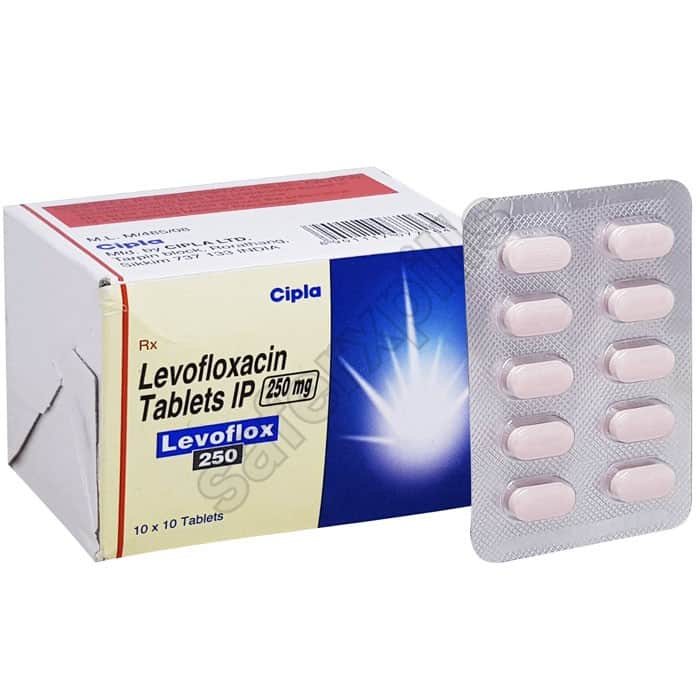
About Oflox 400mg
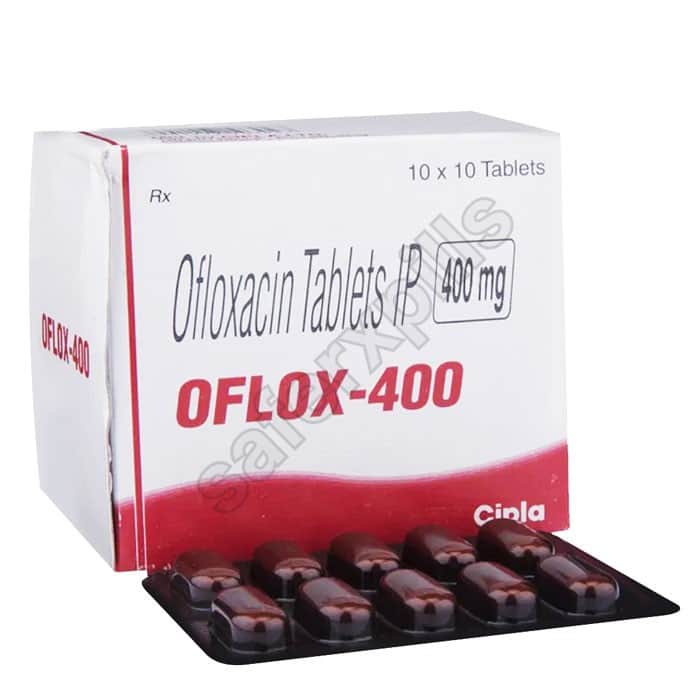
Oflox 400mg is an ofloxacin tablet sold in India by Cipla. Each tablet carries 400 mg of ofloxacin, the same amount as the 400 mg strength of Floxin, the original US brand, which is no longer sold, and of the generic ofloxacin 400 mg tablets still approved in the US. Ofloxacin is a fluoroquinolone antibiotic, in the same family as ciprofloxacin, levofloxacin and norfloxacin. In the US label, 400 mg every 12 hours is the dose for flares of chronic bronchitis, community-acquired pneumonia, uncomplicated skin infections and pelvic inflammatory disease, and a single 400 mg dose is the label dose for gonorrhoea; urinary infections use 200 mg per dose. We sell Oflox 400 in packs of 30, 60 and 90 tablets, from $0.60 a tablet in the largest pack.
Three things before you read further. First, the UK label and the UK regulator (MHRA) say ofloxacin must only be prescribed when other commonly recommended antibiotics are inappropriate, whatever the infection. The US label reserves it for flares of chronic bronchitis and uncomplicated cystitis in people who have no alternative treatment options, the FDA says the same for acute sinusitis, acute bronchitis and uncomplicated urinary infections, and the European Medicines Agency applies similar wording to a list of infections that includes cystitis and pneumonia. The reason is disabling and potentially irreversible side effects; the UK label says their reported frequency is at minimum between 1 in 1,000 and 1 in 10,000, its Rare category. Second, the US Centers for Disease Control and Prevention stopped recommending fluoroquinolones such as ofloxacin for gonorrhoea in 2007, so the single 400 mg gonorrhoea dose in the label is out of date. Third, a chest, skin or pelvic infection cannot wait the 7 to 14 business days our delivery takes. This page sets out the label doses, the warnings and the price per tablet, using the current US ofloxacin tablet label (Cadila Pharmaceuticals, revised October 2024), the UK ofloxacin tablet label (Viatris, revised August 2026) and regulator notices, all listed at the end. We found no published trial of Oflox itself.
Oflox 400mg at a glance
| Active ingredient | Ofloxacin 400 mg per tablet |
| Brand and maker | Oflox, Cipla Ltd, India (Tata 1mg, PharmEasy, Apollo and MediBuddy listings) |
| Drug class | Fluoroquinolone antibiotic |
| Regulatory status | Ofloxacin tablets are FDA approved as generics and licensed in the UK, but this Indian pack is not registered with the FDA, MHRA, TGA or Health Canada. We found no ofloxacin tablet currently marketed in Canada or listed on healthdirect in Australia |
| Usual dose from the label | US: 400 mg every 12 hours for chest, skin and pelvic infections (10 days, or 10 to 14 days for pelvic inflammatory disease); one 400 mg dose for gonorrhoea (no longer recommended by the CDC). UK: 200 to 800 mg a day |
| Half-life | About 4 to 5 hours (plus a minor 20 to 25 hour phase) in younger adults; 6.4 to 7.4 hours in healthy older adults |
| Timing | Peak blood levels 1 to 2 hours after a dose. US label: with or without food. Keep antacids, iron, zinc and multivitamins at least 2 hours away |
| Packs | 30, 60 and 90 tablets (Indian strips hold 10) |
| Price per tablet | $0.667 (30 pack) down to $0.60 (90 pack), before shipping |
| Delivery | 7 to 14 business days to the US, UK, Australia and Canada; $25 shipping under $149, free from $149 |
Price per tablet
Prices below are as of October 2026; the pack selector shows the current price.
| Pack | Price | Per tablet | Shipping | Per tablet with shipping |
|---|---|---|---|---|
| 30 tablets | $20 | $0.667 | $25 | $1.50 |
| 60 tablets | $38 | $0.633 | $25 | $1.05 |
| 90 tablets | $54 | $0.60 | $25 | $0.88 |
How far a pack goes, using the US label doses and one Oflox 400 per 400 mg dose (our arithmetic):
- Flare of chronic bronchitis, community-acquired pneumonia or uncomplicated skin infection: 400 mg every 12 hours for 10 days, 20 tablets.
- Pelvic inflammatory disease (label dose; see the CDC note below): 400 mg every 12 hours for 10 to 14 days, 20 to 28 tablets.
- Gonorrhoea (label dose, no longer recommended by the CDC): one 400 mg dose, 1 tablet.
- Urinary infections and cystitis use 200 mg per dose in the US label, and chlamydia and prostatitis use 300 mg, so Oflox 400 does not fit those doses (see Oflox 200mg for the 200 mg dose).
Our 30 pack covers one of the longer 400 mg courses; the 60 and 90 packs hold two or more courses. Please do not keep leftover tablets to treat yourself next time. Symptoms that feel like a chest infection are not always caused by bacteria, and the label says ofloxacin should be used only for infections that are proven or strongly suspected to be caused by bacteria, because unnecessary use breeds resistant bacteria.
Compared with Floxin and US generics
| Oflox 400mg (our Indian pack) | Floxin 400 mg (US brand) | Generic ofloxacin 400 mg (US) | |
|---|---|---|---|
| Ofloxacin per tablet | 400 mg | 400 mg | 400 mg |
| Maker | Cipla Ltd, India | Janssen (Ortho-McNeil-Janssen) | For example Cadila Pharmaceuticals (sold by Modavar), Teva, Dr. Reddy's, Chartwell |
| Status | Not registered with the FDA | Discontinued; FDA approval withdrawn from 8 July 2011 | FDA approved, prescription only |
| Cost per tablet | $0.60 to $0.667 before shipping | Not sold | No NADAC row found |
NADAC is the US National Average Drug Acquisition Cost: what US pharmacies pay for a medicine, not the cash price at the counter. We found no NADAC row for any ofloxacin tablet. In the week of 21 October 2026, all 39 ofloxacin rows were ear or eye drops, and a search of every yearly NADAC file from 2013 to 2026 found no ofloxacin tablet rows at all, so we cannot quote a US pharmacy cost. Drugs@FDA lists generic ofloxacin 400 mg tablets from Teva, Dr. Reddy's, Cadila and Chartwell as prescription products, while the FDA's drug code directory lists current packs only from Cadila and Modavar. Together with the missing NADAC rows, this suggests to us that few US pharmacies stock ofloxacin tablets. For comparison only, generic ciprofloxacin, a different fluoroquinolone, had a NADAC of $0.08035 per 250 mg tablet and $0.12065 per 500 mg tablet, effective 21 October 2026. If you are in the US and a doctor prescribes an antibiotic, compare US generic cash prices first; a local pharmacy can also supply it the same day.
Floxin tablets (200, 300 and 400 mg) were approved on 28 December 1990. At the holder's request, because the product was no longer marketed, the FDA withdrew approval of the Floxin tablet application from 8 July 2011. In April 2017 the FDA published its determination that Floxin tablets "were not withdrawn from sale for reasons of safety or effectiveness", which lets generic versions stay on the market.
Is Oflox the same as Floxin? It contains the same active ingredient at the same strength, but it is made in India for the Indian market, with its own label. We have not found a published study comparing Oflox with Floxin or with US generic ofloxacin.
Which strength to choose
| Label single dose (US) | Used for | Oflox 200mg | Oflox 400mg |
|---|---|---|---|
| 200 mg every 12 hours | Simple cystitis, complicated urinary infection | One tablet per dose | Not suitable (twice the dose) |
| 300 mg every 12 hours | Chlamydia urethritis or cervicitis, prostatitis due to E. coli | Not suitable: a 300 mg dose needs a 300 mg tablet | Not suitable |
| 400 mg every 12 hours, or once | Chest infections, pneumonia, skin infections, pelvic inflammatory disease, gonorrhoea (single dose) | Two tablets per dose | One tablet per dose |
| Maximum | 800 mg a day in both the US dose table and the UK label | 4 tablets a day | 2 tablets a day |
A 200 mg dose cannot be made from Oflox 400: Indian listings for Oflox 400 (Tata 1mg, Apollo, MediBuddy) say not to break, crush or chew the tablet, so we would not split it. If your prescriber gives you a 200 mg dose, you need a 200 mg tablet. For 400 mg doses, one Oflox 400 costs $0.60 to $0.67 before shipping, against $0.67 to $0.75 for two Oflox 200 (our arithmetic), so the 400 mg tablet is the simpler and slightly cheaper choice. Never take more than 800 mg (two Oflox 400) in a day.
Is ofloxacin the right antibiotic?
For most people with a simple bladder infection or a flare of chronic bronchitis, regulators say it is not the first choice:
- US label (boxed warning): because fluoroquinolones have been linked to serious adverse reactions, "reserve ofloxacin for use in patients who have no alternative treatment options" for acute exacerbation of chronic bronchitis and uncomplicated cystitis. The label adds that for some patients these infections are self-limiting.
- FDA (May 2016): for acute sinusitis, acute bronchitis and uncomplicated urinary infections, "fluoroquinolones should be reserved for those who do not have alternative treatment options."
- UK label (section 4.1): because of the risk of prolonged, disabling and potentially irreversible serious adverse reactions, ofloxacin "must only be prescribed when other antibiotics that are commonly recommended for the infection are inappropriate", which the label defines as resistance to them, a reason you cannot take them, side effects that made you stop them, or a failed course. It also says ofloxacin is not the drug of first choice for pneumonia caused by pneumococci or Mycoplasma.
- UK (MHRA, January 2024): systemic fluoroquinolones "must now only be prescribed when other commonly recommended antibiotics are inappropriate." The notice names ofloxacin.
- European Union (2019): after a review of disabling side effects, the EMA's wording for ofloxacin in uncomplicated cystitis, urethritis, acute sinusitis, community-acquired pneumonia, flares of chronic obstructive pulmonary disease, complicated skin infections and bone and joint infections is that it "should be used only when it is considered inappropriate to use other antibacterial agents that are commonly recommended for the treatment of these infections."
For sexually transmitted infections, the label doses are out of date. In 2007 the CDC stopped recommending fluoroquinolones (it named ciprofloxacin, ofloxacin and levofloxacin) for gonorrhoea and associated conditions such as pelvic inflammatory disease, because resistance was becoming widespread, and the UK label says ofloxacin should not be used for suspected gonorrhoea unless the bacteria have been tested and shown to be susceptible. The CDC's current chlamydia page recommends doxycycline, with azithromycin or levofloxacin as alternatives; it does not list ofloxacin. If you think you have a sexually transmitted infection, get tested, and treat partners as advised. Our doxycycline dosage guide covers the chlamydia dose, and our nitrofurantoin for UTI guide covers one of the usual first choices for cystitis. In our view, fever with shortness of breath, chest pain or confusion, or fever with pelvic pain, needs a doctor promptly; do not wait for a parcel.
How to take Oflox 400mg: label doses by infection
| Infection (US label) | Dose | How often | How long | Oflox 400 tablets per course |
|---|---|---|---|---|
| Flare of chronic bronchitis; community-acquired pneumonia; uncomplicated skin infection | 400 mg | Every 12 hours | 10 days | 20 |
| Acute pelvic inflammatory disease (label dose; see the CDC note above) | 400 mg | Every 12 hours | 10 to 14 days | 20 to 28 |
| Uncomplicated gonorrhoea (label dose, no longer recommended by the CDC) | 400 mg | Single dose | 1 day | 1 |
| Uncomplicated cystitis; complicated urinary infection | 200 mg | Every 12 hours | 3, 7 or 10 days | Not suitable (200 mg dose) |
| Chlamydia urethritis or cervicitis; mixed chlamydia and gonorrhoea; prostatitis due to E. coli | 300 mg | Every 12 hours | 7 days (6 weeks for prostatitis) | Not suitable (300 mg dose) |
The tablet counts are our arithmetic from the label doses. The US label applies these doses to adults with creatinine clearance above 50 mL/min and adds that if anaerobic bacteria may be involved in pelvic inflammatory disease, treatment for them should be added.
The UK label gives different doses. It is the label for a 200 mg tablet (the only ofloxacin tablet we found on the electronic medicines compendium), so in the UK a 400 mg dose would be two 200 mg tablets. Its 400 mg doses are: one 400 mg dose for gonorrhoea caused by susceptible bacteria; 400 mg a day, increasing if necessary to 400 mg twice a day, for kidney and complicated urinary infections, pneumonia and chronic obstructive pulmonary disease flares; and 400 mg a day for non-gonococcal urethritis and cervicitis. For uncomplicated cystitis it gives 200 to 400 mg a day. In the UK label, up to 400 mg may be taken as a single daily dose, preferably in the morning; more than 400 mg a day must be split into two doses, up to a maximum of 800 mg a day given as 400 mg twice a day; and treatment should not go beyond 2 months. Follow the dose and length your prescriber gives you.
- Swallow each tablet whole with water; do not break, crush or chew it (Tata 1mg, Apollo and MediBuddy listings). The US label says ofloxacin can be taken with or without food; the UK label says before or during meals.
- Keep antacids containing calcium, magnesium or aluminium, sucralfate, iron, zinc, mineral supplements, multivitamins and didanosine chewable or buffered tablets away from your dose: the US label says not within 2 hours before or 2 hours after. Some Indian listings (PharmEasy for Oflox 400) also advise avoiding milk and other dairy products with it.
- Drink plenty of fluids during the course.
- If you miss a dose, the US Medication Guide says take it as soon as you remember, do not take two doses at the same time, and do not take more than two doses in one day.
- Know how you react before you drive or use machinery: the labels mention dizziness, lightheadedness, drowsiness and visual disturbances, and the UK label says these effects may be made worse by alcohol.
- Avoid strong sun, sunbeds and sunlamps. The UK label says to keep this up for 48 hours after the last dose.
- Finish the course you were prescribed unless a doctor tells you to stop, or you get one of the serious reactions listed below. If that happens, stop and call your doctor about a different antibiotic.
Lower doses for some groups
Kidney impairment. Ofloxacin leaves the body mainly through the kidneys: 65% to 80% of a dose is passed unchanged in the urine within 48 hours. The US label adjusts the dose below a creatinine clearance of 50 mL/min, after a normal first dose:
| Creatinine clearance | US label | With a 400 mg dose | With a 200 mg urinary dose |
|---|---|---|---|
| 20 to 50 mL/min | The usual single dose every 24 hours | One Oflox 400 once a day | 200 mg once a day, so Oflox 400 is not suitable |
| Below 20 mL/min | Half the usual single dose every 24 hours | 200 mg once a day, so Oflox 400 is not suitable | 100 mg once a day, so Oflox 400 is not suitable |
The UK label gives 100 to 200 mg a day at 20 to 50 mL/min, 100 mg a day below 20 mL/min, and 100 mg a day for people on haemodialysis or peritoneal dialysis, with blood levels monitored in severe kidney impairment and dialysis. Every one of those UK doses is below 400 mg, so under the UK label Oflox 400 is not suitable for anyone with a creatinine clearance of 50 mL/min or less, or on dialysis. Neither dialysis method removes ofloxacin well (US label). Ask your doctor for a kidney blood test result if you are not sure.
Liver disease. In severe liver disease such as cirrhosis, the US label says a maximum of 400 mg a day should not be exceeded, and the UK label recommends the same limit. That means no more than one Oflox 400 a day; the usual 400 mg every 12 hours schedule would go over the limit (our reading). The US label says to use ofloxacin with caution in kidney or liver impairment, with checks before and during treatment.
Older adults. Neither label changes the dose for age alone. In healthy people aged 65 to 81, peak blood levels were 9% to 21% higher than in younger people and the half-life was 6.4 to 7.4 hours; peak levels in older women were 114% (single dose) and 54% (repeated doses) higher than in older men. Older people more often have reduced kidney function, so the kidney rules above often apply. They also have a higher risk of tendon rupture, especially with steroid medicines, and may be more sensitive to effects on heart rhythm (US label).
Side effects
The US label pools oral and intravenous ofloxacin from its phase 2 and 3 trials. Side effects judged to be caused by the drug occurred in 11% of patients, and 4% of patients on repeated doses stopped ofloxacin because of adverse experiences. The label does not split these figures by dose.
| Event (US label) | Judged likely drug related, repeated doses | Reported whatever the cause |
|---|---|---|
| Nausea | 3% | 10% |
| Headache | 1% | 9% |
| Insomnia | 3% | 7% |
| External genital itching in women | 1% | 6% |
| Dizziness | 1% | 5% |
| Vaginitis | 1% | 5% |
| Diarrhoea | 1% | 4% |
| Vomiting | 1% | 4% |
| Rash; itching; altered taste | 1% each | 1% to 3% |
Events reported in 1% to 3% of patients whatever the cause also include abdominal pain and cramps, chest pain, reduced appetite, dry mouth, tiredness, wind, nervousness, sore throat, fever, sleepiness, vaginal discharge, visual disturbances and constipation. In people aged 65 and over, pooled comparative studies found more insomnia (3.9% vs 1.5%) and headache (4.7% vs 1.8%) with ofloxacin than with the comparison drugs; the label says the clinical significance of this pooled comparison is not clear.
Reports from worldwide marketing of quinolones, including ofloxacin, include severe skin reactions (Stevens-Johnson syndrome, toxic epidermal necrolysis), sun sensitivity, hepatitis and liver failure including fatal cases, kidney inflammation and kidney failure, blood disorders, low and high blood sugar, peripheral neuropathy that may be irreversible, psychotic reactions and suicidal thoughts or acts, tendon rupture, muscle breakdown (rhabdomyolysis), worsening of myasthenia gravis, hearing, taste and smell disturbances, double vision, and torsade de pointes, a dangerous heart rhythm. The US label gives no frequency for these reports. Ofloxacin, like other antibiotics, can also cause C. difficile diarrhoea, which can range from mild diarrhoea to fatal colitis and has been reported more than two months after a course. It can also make a urine drug screen falsely positive for opiates (US label); the UK label adds porphyrins.
The boxed warning and other serious warnings
The US label carries a boxed warning: fluoroquinolones, including ofloxacin, "have been associated with disabling and potentially irreversible serious adverse reactions that have occurred together", including:
- Tendinitis and tendon rupture, most often the Achilles tendon, in all ages. It can start within hours or days of the first dose, or as long as several months after the course ends, and can affect both sides. The risk is higher over 60, with corticosteroid (steroid) medicines, and after a kidney, heart or lung transplant; strenuous physical activity, kidney failure and earlier tendon problems such as rheumatoid arthritis may also raise it.
- Peripheral neuropathy: pain, burning, tingling, numbness or weakness, which may be irreversible in some people.
- Central nervous system and psychiatric effects, including seizures, raised pressure inside the skull, hallucinations, anxiety, depression, insomnia, severe headaches, confusion, agitation and delirium.
- Myasthenia gravis: fluoroquinolones may worsen muscle weakness, and deaths and the need for breathing support have been reported. The label says to avoid ofloxacin in anyone with a known history of myasthenia gravis.
The label's instruction is to stop ofloxacin immediately at the first signs of any serious adverse reaction, and to avoid fluoroquinolones in future after one. These reactions have happened in people of any age and without risk factors. The UK label says such reactions can continue for months or years, that no medicine has been shown to treat the long-lasting symptoms, and that their reported frequency is "at minimum between 1/1,000 and 1/10,000 (corresponding to the Rare frequency category)."
Other serious warnings in the labels:
- Aortic aneurysm and dissection. The US label says epidemiologic studies report more aortic aneurysm and dissection within two months of fluoroquinolone use, particularly in older people, and that in people with a known aortic aneurysm or at greater risk, ofloxacin should be reserved for use only when no alternative antibacterial treatment is available. The FDA's December 2018 notice says fluoroquinolones "should not be used in patients at increased risk unless there are no other treatment options available." The UK label also warns about leaking heart valves (aortic and mitral regurgitation) and lists risk groups including a family history of aneurysm, congenital heart valve disease, Marfan or Ehlers-Danlos syndrome, Turner syndrome, Behçet's disease, high blood pressure, rheumatoid arthritis, Takayasu arteritis, giant cell arteritis, atherosclerosis, Sjögren's syndrome and infective endocarditis.
- Low blood sugar. Severe cases resulting in coma or death have been reported, usually in people with diabetes taking a medicine such as glyburide (glibenclamide) or insulin. If low blood sugar happens, stop ofloxacin (US label).
- Heart rhythm. Ofloxacin has been linked to QT prolongation and rare cases of torsade de pointes. The US label says it should be avoided with known QT prolongation, uncorrected low potassium, or class IA or class III heart rhythm medicines.
- Serious allergic reactions, occasionally fatal and often after the first dose.
- Liver injury. Severe liver injury, including acute hepatitis and fatal cases, has been reported (US label); the UK label says mostly in people with existing liver disease.
- Eyes. The UK label says to see an eye specialist immediately if vision becomes impaired or any eye effect occurs.
When to get urgent help
Stop taking Oflox and get medical help straight away if you have:
- Hives, trouble breathing or swallowing, swelling of the lips, tongue or face, throat tightness, hoarseness, a rapid heartbeat or fainting: the US Medication Guide says get emergency medical help right away. Call emergency services (911 in the US and Canada, 999 in the UK, 000 in Australia).
- Sudden chest, stomach or back pain: the US Medication Guide says get emergency medical help right away, and the UK label says go to an emergency department. The UK label also says to get immediate medical attention for sudden breathlessness, new palpitations, or swelling of the abdomen or legs.
- Tendon pain, swelling or inflammation, a snap or pop in a tendon, bruising right after an injury in a tendon area, or being unable to move the area or bear weight. Avoid exercise and using the affected area.
- Pain, burning, tingling, numbness or weakness in the arms, hands, legs or feet.
- A seizure, hallucinations, paranoia, confusion, severe anxiety or restlessness, depression, suicidal thoughts, or a headache that will not go away, with or without blurred vision.
- Worsening muscle weakness or breathing problems, especially if you have myasthenia gravis.
- A fast or irregular heartbeat, or fainting.
- Low blood sugar if you have diabetes: the US Medication Guide says stop ofloxacin right away and call your healthcare provider right away. Check your blood sugar as often as they advise.
- Yellow skin or eyes, dark urine, light coloured stools, loss of appetite, nausea, vomiting, tiredness, itching or tenderness under the right ribs, which can mean liver injury.
- Watery or bloody diarrhoea, with or without stomach cramps or fever, during the course or up to two months or more afterwards.
- A skin rash: the US Medication Guide says stop at the first sign and call your healthcare provider. Blistering, peeling or a severe sunburn-like reaction needs prompt medical advice.
- Any change in your vision, hearing, taste or smell: the MHRA tells patients to stop and contact their doctor immediately.
If you take too much (by our arithmetic, more than two Oflox 400 in a day is above the 800 mg daily maximum in the labels), the US Medication Guide says call your healthcare provider or get medical help immediately. Tell the emergency staff that you took ofloxacin, how much and when. The UK label says overdose can cause confusion, dizziness, impaired consciousness, seizures and QT prolongation, and that heart monitoring (ECG) should be done.
Who should not take Oflox 400mg
Never take it if (US label contraindication):
- you have ever had an allergic reaction to ofloxacin or any other quinolone antibiotic, such as ciprofloxacin, levofloxacin, norfloxacin or moxifloxacin. The US Medication Guide and the UK label also rule it out if you are allergic to any ingredient of the tablet.
The UK label also contraindicates ofloxacin (the US label words these as avoid, use with caution or not established, or does not list them) in:
- people with a history of epilepsy, or a nervous system condition that lowers the seizure threshold
- people with a history of tendon disorders related to fluoroquinolone use
- children and growing adolescents
- pregnancy and breastfeeding
- glucose-6-phosphate dehydrogenase (G6PD) deficiency, because of the risk of red blood cell breakdown
Avoid it (US label wording):
- if you have myasthenia gravis (the UK label says "not recommended")
- if you have a history of tendon disorders, have had peripheral neuropathy, or have had a serious reaction to a fluoroquinolone before
- if you have known QT prolongation or uncorrected low potassium, or take a class IA or class III heart rhythm medicine such as quinidine, procainamide, amiodarone or sotalol
Reserve for when there is no alternative (US label wording): if you have a known aortic aneurysm or are at greater risk of one, the US label says to reserve ofloxacin for use only when there are no alternative antibacterial treatments available, and the FDA (December 2018) says fluoroquinolones "should not be used in patients at increased risk unless there are no other treatment options available."
Pregnancy and breastfeeding: the UK label contraindicates ofloxacin in both, says it "must not be used during pregnancy" and says breastfeeding should be stopped during treatment. The US label says ofloxacin "should be used during pregnancy only if the potential benefit justifies the potential risk to the fetus"; after a single 200 mg dose, levels in breast milk were similar to those in blood, and the US label says to decide whether to stop nursing or stop the drug.
Lactose: the UK label says people with rare hereditary problems of galactose intolerance, total lactase deficiency or glucose-galactose malabsorption should not take its tablets, and the US tablets also contain lactose. The Indian listings we checked do not list Oflox's inactive ingredients, so ask your pharmacist first.
Not suitable at this strength: for the reduced doses that follow a normal first dose, people with a creatinine clearance below 20 mL/min under the US label, or 50 mL/min or less or on dialysis under the UK label (see the kidney section above). In severe liver disease, no more than one tablet a day.
Talk to a doctor first if:
- you have epilepsy or another brain condition that can lower the seizure threshold: the US label says use with caution, and the UK label contraindicates it (see above)
- you have kidney or liver problems (see the dose section above)
- you have diabetes, especially if you take glyburide (glibenclamide) or insulin
- you or your family have a history of a long QT interval, or you have a slow heart rate, heart failure, a past heart attack or recently reduced blood flow to the heart; the UK label adds that older people and women may be more sensitive to medicines that affect the QT interval
- you have high blood pressure, rheumatoid arthritis or a connective tissue disorder (aortic and heart valve risk groups above)
- you have a history of psychotic disorder or other psychiatric disease (UK label: use with caution)
- you are over 60, take corticosteroids, or have had a kidney, heart or lung transplant (higher risk of tendon rupture); the UK label says combined use with corticosteroids should be avoided
Children and teenagers under 18: the US label says safety and effectiveness have not been established, and ofloxacin caused joint damage (arthropathy and osteochondrosis) in young animals. The UK label contraindicates it in children and growing adolescents.
Medicines that interact with ofloxacin
- Antacids, sucralfate, iron, zinc, mineral supplements, multivitamins and didanosine chewable or buffered tablets: they can sharply lower ofloxacin absorption. US label: not within 2 hours before or after a dose. UK label: take ofloxacin 2 hours before them.
- NSAID painkillers such as ibuprofen or naproxen: may increase the risk of nervous system stimulation and seizures.
- Theophylline: the US label says levels may rise and should be closely monitored; the UK label found no pharmacokinetic interaction in a study but warns that seizures become more likely.
- Warfarin and similar blood thinners: clotting tests (prothrombin time or INR) should be closely monitored; the UK label notes bleeding, which may be severe.
- Diabetes medicines (insulin, glyburide or glibenclamide): blood glucose should be carefully monitored.
- Medicines that prolong the QT interval: US label: avoid class IA and III heart rhythm medicines. UK label: caution with these and with tricyclic antidepressants, macrolide antibiotics and antipsychotics.
- Corticosteroids such as prednisolone: raise the risk of tendon rupture. The UK label says combined use should be avoided.
- Probenecid, cimetidine, furosemide and methotrexate: the UK label says probenecid cut ofloxacin clearance by 24% and advises caution with medicines that affect kidney tubule secretion. The US label says the effects of probenecid and cimetidine on ofloxacin have not been studied.
- Cyclosporine: raised levels have been reported with some other quinolones; not studied with ofloxacin (US label).
The US label says no interaction between ofloxacin and caffeine has been detected. Tell your doctor or pharmacist about every medicine and supplement you take before you start.
Using an antibiotic responsibly
The US label says ofloxacin tablets "should be used only to treat or prevent infections that are proven or strongly suspected to be caused by susceptible bacteria", that culture and susceptibility tests should be done before treatment, and that some strains of Pseudomonas aeruginosa may become resistant fairly rapidly during treatment. The UK label asks prescribers to take local E. coli resistance to fluoroquinolones into account for urinary infections, and says ofloxacin is not recommended for known or suspected MRSA unless tests confirm susceptibility. In practice: do not start Oflox on your own for a sore throat, cough, cold or a suspected sexually transmitted infection; see a doctor, sexual health clinic or pharmacist, who may find you need no antibiotic, or a different one. Do not keep tablets for travel or pass leftovers on. Our antibiotic resistance guide explains why unneeded courses matter beyond one person.
Prescription and legal status
Ofloxacin tablets are prescription only wherever we found them on sale. In the US, generic ofloxacin tablets are FDA approved and labelled "Rx only"; Oflox itself is not registered with the FDA, and the FDA says personal importation of unapproved medicines is illegal in most circumstances. In the UK, the one ofloxacin tablet we found on the electronic medicines compendium (Viatris, 200 mg) is a prescription only medicine, and the MHRA restricts all systemic fluoroquinolones to cases where other commonly recommended antibiotics are inappropriate. In Canada, the Health Canada drug database lists every ofloxacin tablet (Floxin, Novo-Ofloxacin and AA Pharma's ofloxacin, including their 400 mg strengths) as cancelled post market, the last in August 2016; only Ocuflox eye drops are marketed. In Australia, healthdirect lists ofloxacin only as Ocuflox eye drops, a Schedule 4 (prescription only) medicine; we found no ofloxacin tablet. Indian pharmacy listings we checked (Tata 1mg, Apollo, MediBuddy) mark Oflox 400 as a prescription medicine. Oflox is not registered with the FDA, the MHRA, the TGA or Health Canada. Antibiotics should be taken only for an infection a clinician has diagnosed, at the dose and for the length of time prescribed. Check the rules where you live.
Buying genuine Oflox
The MHRA warns: "Any medicine not authorised for sale in the UK can be unsafe or ineffective and there is no way of knowing what is in them or the negative health effects they can have." It advises: "Only use UK-registered pharmacies, including online pharmacies displaying the official green cross logo". That warning covers Oflox, which is not authorised in the UK. Be aware that more than one Indian company uses the Oflox name: Tata 1mg lists an Oflox 200 from Altop Healthcare as well as Cipla's. We found no Altop 400 mg listing, but check the maker on the strip all the same. When your order arrives, read the strip: Indian listings describe strips of 10 tablets, and the strip should name Cipla and ofloxacin 400 mg and show a batch number and an expiry date. These checks cannot prove that tablets are genuine, because counterfeiters copy packaging. Store the strips at room temperature, away from moisture and sunlight (Tata 1mg gives below 25 C; Apollo gives 20 to 25 C). If your symptoms have not improved within a few days, or come back soon after the course, see a doctor for a culture rather than taking more tablets. If a batch causes unusual symptoms, seek medical advice and report it to your medicines regulator (the MHRA Yellow Card scheme in the UK, FDA MedWatch in the US, the TGA in Australia or Health Canada) as well as to us.
Delivery
We ship Oflox 400mg to the US, UK, Australia and Canada in plain packaging with tracking. Standard delivery takes 7 to 14 business days to most countries. Shipping costs a flat $25 on orders under $149 and is free from $149. An infection cannot wait two weeks for tablets to arrive, so if you have symptoms now, see a doctor or pharmacist locally. See our shipping page and refund policy.
Related guides
- Doxycycline dosage by indication: from 40 mg to 200 mg a day
- Antibiotic resistance: when antibiotics do not work and what you can do
- Nitrofurantoin for UTI: dosing, and why it fails above the bladder
- Norfloxacin 400 mg: uses, dosage, side effects and why it left US pharmacies
Other strength: Oflox 200mg. Other fluoroquinolones we sell: Ciplox 250mg (ciprofloxacin), Levoflox 500mg (levofloxacin) and Norflox 400mg (norfloxacin).
Sources
- Ofloxacin Tablets USP 200 mg, 300 mg and 400 mg, US prescribing information and Medication Guide, Cadila Pharmaceuticals for Modavar Pharmaceuticals, revised October 2024 (ANDA 091656): boxed warning, clinical pharmacology, indications, contraindications, warnings, precautions (drug interactions, pregnancy, nursing mothers, pediatric and geriatric use), adverse reactions, overdosage, dosage and administration, how supplied. DailyMed
- Ofloxacin 200 mg Tablets, summary of product characteristics, Generics (U.K.) Limited T/A Viatris, PL 04569/0549, revised August 2026: sections 4.1 to 4.9. emc
- US Food and Drug Administration. Determination that FLOXIN (ofloxacin) tablets and other drug products were not withdrawn from sale for reasons of safety or effectiveness. Federal Register, 28 April 2017 (document 2017-08582); and withdrawal of approval of NDA 019735, Federal Register, 8 June 2011 (document 2011-14164), effective 8 July 2011. Federal Register
- Drugs@FDA and FDA National Drug Code directory (openFDA), ofloxacin tablets, checked 21 October 2026.
- FDA Drug Safety Communications: 12 May 2016 (restricting fluoroquinolone use for certain uncomplicated infections), 10 July 2018 (low blood sugar and mental health side effects) and 20 December 2018 (aortic aneurysm and dissection). FDA 2016
- European Medicines Agency. Quinolone and fluoroquinolone Article 31 referral, Annex III (recommended wording for ofloxacin indications), European Commission decision 11 March 2019. EMA
- MHRA Drug Safety Update, 22 January 2024: fluoroquinolone antibiotics must now only be prescribed when other commonly recommended antibiotics are inappropriate. GOV.UK
- Health Canada Drug Product Database, ofloxacin products, checked 21 October 2026; healthdirect Australia, ofloxacin and Ocuflox pages, checked 21 October 2026.
- Centers for Disease Control and Prevention. Update to CDC's sexually transmitted diseases treatment guidelines, 2006: fluoroquinolones no longer recommended for treatment of gonococcal infections. MMWR 2007. PMID 17431378. CDC Sexually Transmitted Infections Treatment Guidelines 2021, chlamydial infections. CDC
- NADAC (National Average Drug Acquisition Cost), data.medicaid.gov, per NDC: no ofloxacin tablet rows in the 2013 to 2026 files (week of 21 October 2026 checked); generic ciprofloxacin 250 mg $0.08035 and 500 mg $0.12065, effective 21 October 2026.
- Indian pharmacy listings for Oflox 400 (Cipla): Tata 1mg, PharmEasy, Apollo Pharmacy and MediBuddy, checked 21 October 2026.
Frequently asked questions
What is Oflox 400mg?
Oflox 400mg is an ofloxacin 400 mg tablet sold in India by Cipla. Ofloxacin is a fluoroquinolone antibiotic. The US label lists infections of the urinary tract, prostate, chest, skin and genital tract, but because of disabling and potentially irreversible side effects, the UK label and the MHRA say it must only be prescribed when other commonly recommended antibiotics are inappropriate, and the US label reserves it for chronic bronchitis flares and uncomplicated cystitis in people with no alternative treatment options.
Is Oflox the same as Floxin?
It contains the same active ingredient at the same strength as Floxin 400 mg, the original US brand. Floxin tablets are no longer sold: the FDA withdrew approval from 8 July 2011 at the holder's request, and in 2017 it determined they were not withdrawn for safety or effectiveness reasons. Oflox is made in India for the Indian market, and we have not found a published study comparing it with Floxin or US generics.
How much does Oflox 400mg cost per tablet?
As of October 2026, $0.667 a tablet in the 30 pack, $0.633 in the 60 pack and $0.60 in the 90 pack, before shipping. Shipping is $25 under $149 and free from $149, so with shipping it is about $0.88 to $1.50 a tablet. We found no NADAC (US pharmacy cost) row for any ofloxacin tablet. The pack selector shows the current price.
How do I take Oflox 400mg?
Take it exactly as prescribed, swallowed whole with water; Indian listings say not to break, crush or chew it. The US label says it can be taken with or without food; the UK label says before or during meals. Keep antacids, iron, zinc, mineral supplements, multivitamins and sucralfate at least 2 hours away from each dose, drink plenty of fluids, and avoid strong sun and sunbeds. If you miss a dose, take it when you remember, but never two doses at once or more than two doses in a day.
Should I choose Oflox 400mg or Oflox 200mg?
In the US label, 400 mg every 12 hours is the dose for chest, skin and pelvic infections, so one Oflox 400 is one dose, and it is slightly cheaper than two Oflox 200. Simple cystitis and complicated urinary infections use 200 mg per dose, and Oflox 400 cannot be split to make it (Indian listings say do not break the tablet), so those doses need Oflox 200. The 300 mg doses (chlamydia, prostatitis) need a 300 mg tablet. Your prescriber decides the dose.
How long is a course of ofloxacin 400 mg?
In the US label: 10 days at 400 mg every 12 hours (20 tablets) for chronic bronchitis flares, community-acquired pneumonia and uncomplicated skin infections, and 10 to 14 days (20 to 28 tablets) for pelvic inflammatory disease. The label's gonorrhoea dose is one 400 mg tablet, but the CDC has not recommended fluoroquinolones for gonorrhoea since 2007. The UK label says treatment should not go beyond 2 months. Do not keep leftovers for self-treatment.
Can I take more than one Oflox 400 a day?
Only as prescribed. The US label uses 400 mg every 12 hours for chest, skin and pelvic infections, and both the US dose table and the UK label stop at 800 mg a day, which is two Oflox 400 tablets. In severe liver disease the limit is 400 mg a day, so one tablet at most, and with reduced kidney function the dose is cut further, often below what one Oflox 400 holds. Do not raise the dose yourself.
What are the side effects of Oflox 400mg?
In US label trials, the most common events were nausea (10%), headache (9%), insomnia (7%), genital itching in women (6%), dizziness (5%), vaginitis (5%), diarrhoea (4%) and vomiting (4%), whatever the cause. Serious reactions listed in the warnings include tendon rupture, nerve damage, seizures and psychiatric effects, worsening myasthenia gravis, aortic aneurysm, low blood sugar, heart rhythm problems, liver injury, severe allergy and C. difficile diarrhoea. Stop and get help at the first sign.
Who should not take Oflox 400mg?
Never take it if you have had an allergic reaction to ofloxacin or any other quinolone. The UK label also rules it out with epilepsy, past fluoroquinolone tendon problems, G6PD deficiency, in children and growing adolescents, and in pregnancy and breastfeeding. The US label says avoid it with myasthenia gravis, past tendon disorders or peripheral neuropathy, known QT prolongation or class IA or III heart rhythm medicines; with a known aortic aneurysm or a higher risk of one, it reserves ofloxacin for when no alternative antibacterial treatment is available. With severe kidney impairment (and, under the UK label, any creatinine clearance of 50 mL/min or less), the reduced daily dose after the first dose is below 400 mg, so the 400 mg tablet is not suitable.
Do I need a prescription for ofloxacin?
Yes, wherever we found it on sale. Generic ofloxacin tablets are prescription only in the US, and the UK ofloxacin tablet is a prescription only medicine. Health Canada lists every ofloxacin tablet as cancelled, and in Australia we found ofloxacin only as prescription eye drops. Indian listings mark Oflox 400 as a prescription medicine. Oflox is not registered with the FDA, MHRA, TGA or Health Canada; the FDA says personal importation of unapproved medicines is illegal in most circumstances.
How long does delivery take?
We ship to the US, UK, Australia and Canada in plain packaging with tracking, usually in 7 to 14 business days. Shipping is $25 on orders under $149 and free from $149. Because an infection cannot wait that long, see a local doctor or pharmacist if you have symptoms now.
Medical References
Sources: U.S. National Library of Medicine (DailyMed, PubMed), openFDA
Related articles
Ofloxacin Eye Drops: Dosage, Side Effects, Eye vs Ear Use and US Cost
Ofloxacin ophthalmic solution 0.3% (Ocuflox) is a prescription fluoroquinolone eye drop for bacterial conjunctivitis and corneal ulcers. This guide gives the exact US label dosing for each, how to use the drops, side effects and warnings, pregnancy and child use, how it compares with ciprofloxacin, moxifloxacin, gatifloxacin and besifloxacin drops, why ofloxacin eye and ear drops are separate US products, when a steroid combination such as Oflox-D is not appropriate, and what a bottle costs US pharmacies.
Read article
Brand vs Generic Drug Prices: What US Pharmacies Pay for Viagra, Cialis, Latisse and More (NADAC, October 2026)
CMS NADAC data for the week of 28 October 2026 shows what US pharmacies pay for brand and generic versions of Viagra, Cialis, Propecia, Latisse, Lumigan and Stromectol. Generic ED and hair loss tablets cost under 2% of the brand price, while eye and lash generics cost 42% to 65%. Includes 2026 trends, supplier counts and the full method.
Read article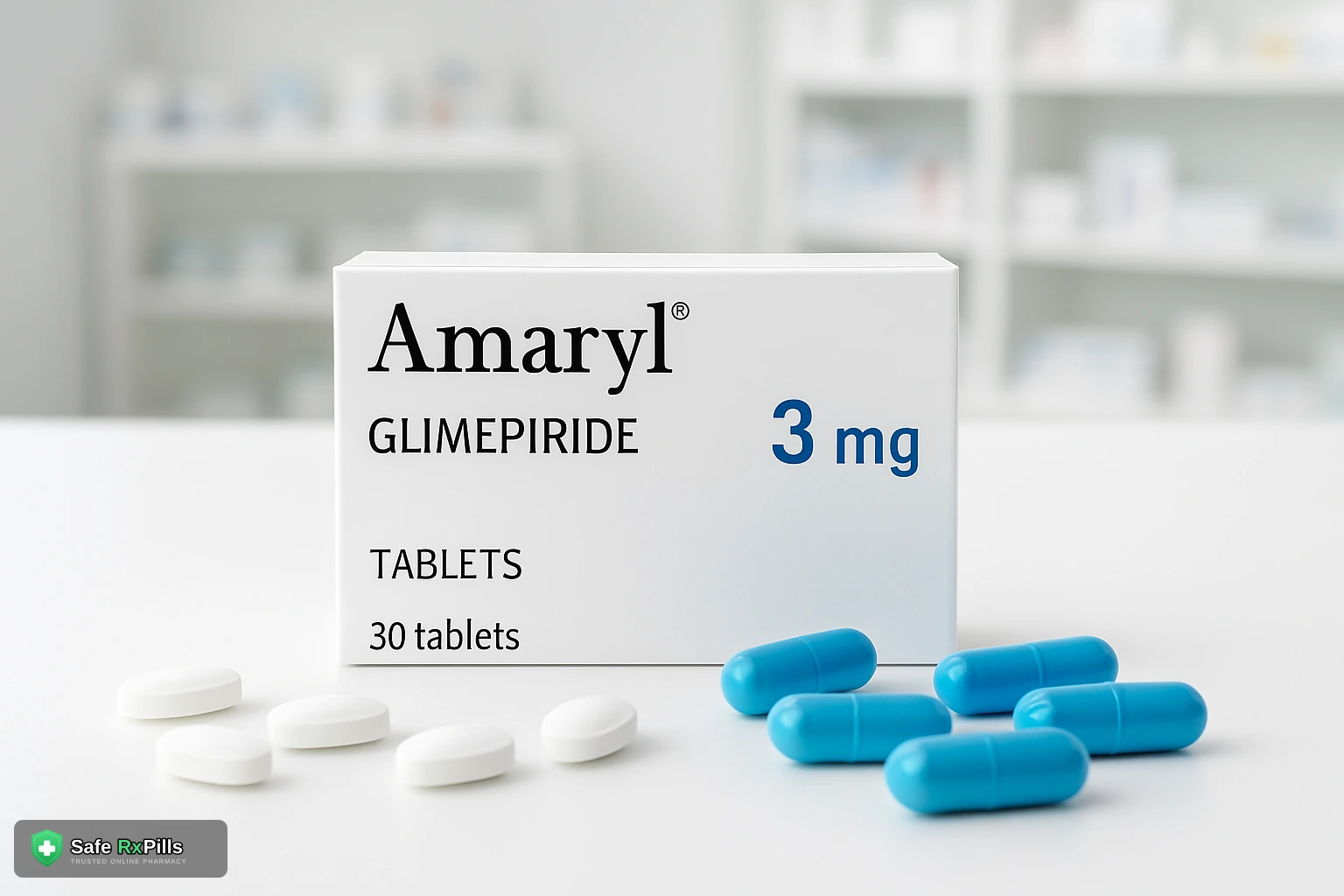
Buy Amaryl (Glimepiride) Online: Dosing, Hypoglycaemia Risk and What to Verify First
Amaryl is brand name glimepiride, a sulfonylurea that lowers blood sugar effectively and cheaply but carries real hypoglycaemia risk. Dosing, the CAROLINA trial evidence, interactions, and what to verify before ordering online.
Read articleCustomer Reviews
No reviews yet. Bought Oflox 400mg? Tell other buyers how it went.