
Eye Care Articles
Evidence-based articles about eye care from certified pharmacists

Are Lash Growth Serums Safe? Bimatoprost, Cosmetic Prostaglandin Serums and What Regulators Found
A reference on eyelash serum safety: what the Latisse (bimatoprost 0.03%) label says about benefits and risks, which cosmetic lash serums contain prostaglandin analogues, what market testing found, and what the FDA, Health Canada, the EU SCCS, ANSES and other regulators have done, with ingredient names to check.
Lumigan vs Careprost: Same Bimatoprost, Different Strengths and What That Means
Lumigan and Careprost share an active ingredient, bimatoprost, but US Lumigan is now 0.01% while Careprost is 0.03%. This guide covers what the strength difference means for eye pressure and redness, how bimatoprost ranks among glaucoma drops, 2026 US pharmacy costs, Medicare, eyelash use and why switching needs an eye doctor.
Latisse vs Bimatoprost Difference: What US Patients Need to Know
Latisse and bimatoprost 0.03% contain the same active ingredient at the same concentration. The latisse vs bimatoprost difference is essentially branding and price. US patients can access generic bimatoprost at significantly lower cost with identical clinical results.
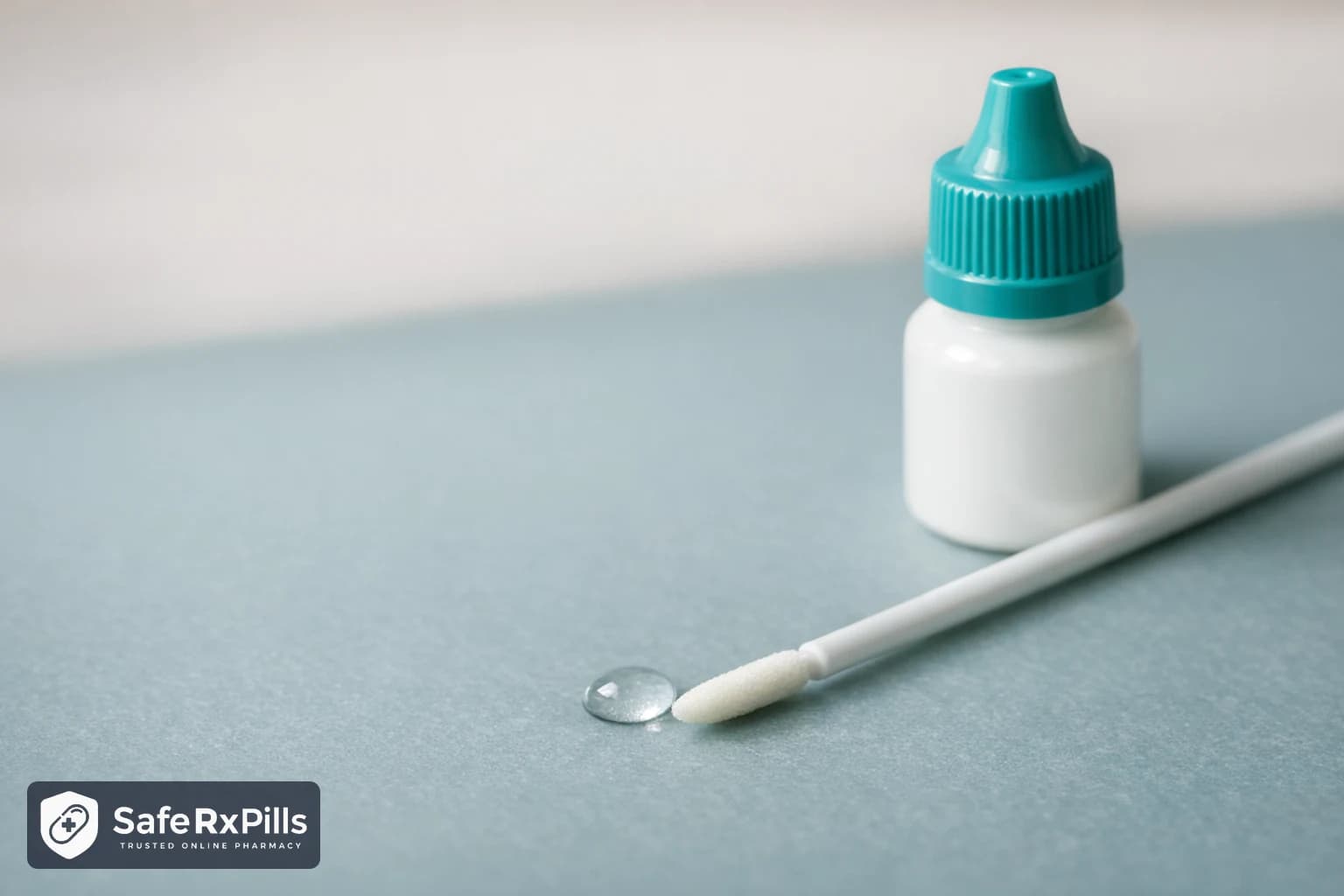
How to Apply Careprost and Latisse to Eyelashes: The Label Method, Step by Step
The Latisse label method for applying bimatoprost 0.03% to the upper lash line, step by step, and what changes when you use a Careprost bottle that comes without applicators: drops, blotting, contact lenses, glaucoma drops, missed nights, when to judge results, side effect rates and prices.

Careprost Eyelash Results Week by Week: What to Realistically Expect
Careprost eyelash results follow a clear week-by-week timeline: subtle length by weeks 3 to 4, visible fullness by weeks 8 to 10, and full results by week 16. This guide breaks down exactly what to expect each stage, how to apply Careprost correctly, and what to do if your results stall.
Showing 11-15 of 16 articles