
Phexin 500mg
Generic: Cephalexinby GlaxoSmithKline Pharmaceuticals Ltd
Similar medicines
View all
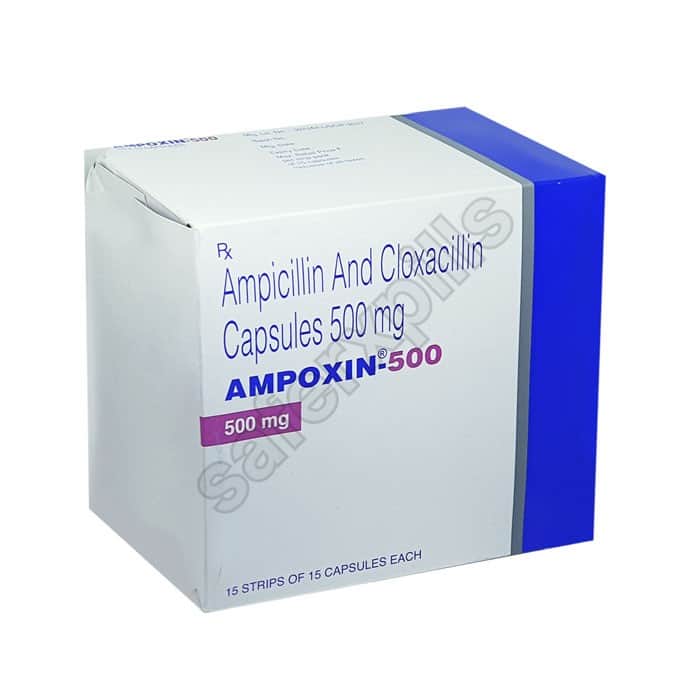
About Phexin 500mg
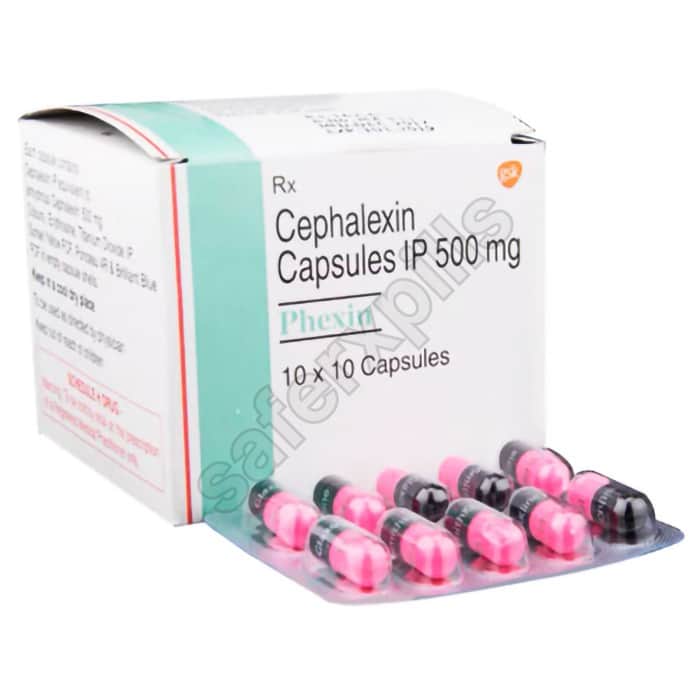
Phexin 500mg is GSK India's cephalexin 500 mg capsule. Each hard gelatin capsule contains cephalexin equivalent to 500 mg of anhydrous cephalexin (GSK India prescribing information), the same amount of cephalexin as a Keflex 500 mg capsule or a US generic cephalexin 500mg capsule. Cephalexin (spelled cefalexin in the UK and Australia) is a first-generation cephalosporin antibiotic. Tata 1mg, PharmEasy and Truemeds all list Phexin 500 as a strip of 10 capsules from GlaxoSmithKline Pharmaceuticals Ltd. We sell it in packs of 30, 60 and 90 capsules, from $0.736 a capsule in the largest pack, before shipping.
Three things before you read further. First, cephalexin is a prescription antibiotic in every country we ship to, and the labels say it should be used only for infections proven or strongly suspected to be caused by bacteria; it does nothing for colds, flu or other viral infections. Second, the US label dose of 500 mg every 12 hours for 7 to 14 days is 14 to 28 capsules, so our 60 and 90 packs hold more than a usual single course needs. Third, a US pharmacy pays about $0.12 for a generic cephalexin 500 mg capsule, and our delivery takes 7 to 14 business days, which is too slow for an infection you have now. This page uses the current US Keflex capsule prescribing information (revised August 2026), a current UK cefalexin 500 mg capsule label (revised 2 June 2025), the Australian Keflex product information (revised 10 May 2024), a Canadian cephalexin product monograph, GSK India's Phexin prescribing information (revised 10 June 2025) and NICE guidance, all listed at the end. We found no published trial of Phexin itself.
Phexin 500mg at a glance
| Active ingredient | Cephalexin (cefalexin) 500 mg per capsule |
| Brand and maker | Phexin 500, GlaxoSmithKline Pharmaceuticals Ltd, India (Tata 1mg, PharmEasy and Truemeds listings; GSK India prescribing information) |
| Form | Hard gelatin capsule, swallowed whole (GSK India prescribing information); not a tablet |
| Drug class | First-generation cephalosporin antibiotic |
| Regulatory status | Cephalexin 500 mg capsules are licensed in the US, UK, Canada and Australia, but this Indian pack is not registered with the FDA, MHRA, TGA or Health Canada. Cephalexin is prescription only in all four countries |
| Usual dose from the label | US Keflex label (adults and children 15 and over): 250 mg every 6 hours, or 500 mg every 12 hours, for 7 to 14 days; up to 4 g a day for more severe infections. UK and GSK India labels: 1 to 4 g a day in divided doses; "most infections will respond to" 500 mg every 8 hours |
| Half-life | About 60 minutes with normal kidney function (UK label); peak blood levels about 1 hour after a dose (US label) |
| Timing | US, UK and Australian labels: "may be given without regard to meals". The Canadian monograph says take it on an empty stomach for the highest peak levels |
| Packs | 30, 60 and 90 capsules (sold in India in strips of 10) |
| Price per capsule | $0.950 (30 pack), $0.750 (60 pack), $0.736 (90 pack), before shipping |
| Delivery | 7 to 14 business days to the US, UK, Australia and Canada; $25 shipping under $149, free from $149 |
Price per capsule
Prices below are as of October 2026; the pack selector shows the current price.
| Pack | Price | Per capsule | Shipping | Per capsule with shipping |
|---|---|---|---|---|
| 30 capsules | $28.50 | $0.950 | $25 | $1.78 |
| 60 capsules | $45.00 | $0.750 | $25 | $1.17 |
| 90 capsules | $66.25 | $0.736 | $25 | $1.01 |
The 60 and 90 packs are cheaper per capsule before shipping as well as after it. All three packs are under $149, so each single pack pays $25 shipping, which nearly doubles the cost of the 30 pack.
How many capsules does a course need? At 500 mg every 12 hours, each day uses 2 capsules; at 500 mg every 8 hours, 3 capsules; at the 4 g a day maximum, 8 capsules. From the label and guideline doses: a 7 to 14 day course at 500 mg every 12 hours (US label) is 14 to 28 capsules; 500 mg every 8 hours, which the UK and GSK India labels say most infections respond to, uses 21 capsules a week; a beta-haemolytic streptococcal infection treated for at least 10 days (Canadian monograph; the US, UK, Australian and GSK India labels give this in their children's dosing) is at least 20 capsules at 500 mg twice a day; NICE's 7 day course for a lower urinary infection in pregnancy (500 mg twice a day) is 14; and NICE's 7 to 10 day course for acute pyelonephritis at 500 mg two or three times a day is 14 to 30. This is our arithmetic from those doses. So the 30 pack covers up to 15 days at 2 capsules a day or 10 days at 3 a day, and the 60 and 90 packs are more than a usual single course needs; they fit only the higher doses a doctor may choose for a severe infection. Please do not keep leftover capsules to treat yourself or someone else next time: a new infection needs a new diagnosis, and the right antibiotic may be a different one. Ask a pharmacist how to dispose of unused capsules.
Compared with Keflex and US generics
| Phexin 500mg (our Indian pack) | Keflex 500 mg capsule (US) | Generic cephalexin 500 mg capsule (US) | |
|---|---|---|---|
| Cephalexin per capsule | 500 mg | 500 mg | 500 mg |
| Maker | GlaxoSmithKline Pharmaceuticals Ltd, India | Made in Austria for Pragma Pharmaceuticals (US label) | Several, for example Teva, Aurobindo and Lupin |
| Status | Not registered with the FDA | Label updated August 2026, but Drugs@FDA lists the capsules as discontinued | FDA approved, prescription only |
| Cost per capsule | $0.736 to $0.950 before shipping | No NADAC row | $0.117 (NADAC) |
NADAC is the US National Average Drug Acquisition Cost: what US pharmacies pay for a medicine, not the cash price at the counter. The generic figure is $0.11681 per cephalexin 500 mg capsule, the rate on all 17 per-NDC capsule rows, effective 21 October 2026 (the latest NADAC week when we checked on 27 October 2026). Cephalexin 500 mg tablets cost US pharmacies more, $1.31008 each on the same date. We found no Keflex row in the 2026 NADAC data. Before shipping, our capsules cost about 6.3 to 8.1 times the generic capsule rate, and a 14 capsule course costs a US pharmacy about $1.64 (our arithmetic). US generic cephalexin is cheap. If you are in the US and a doctor prescribes it, a local generic will almost certainly cost less and you can collect it the same day; compare US generic cash prices first.
Is Phexin the same as Keflex? It contains the same active ingredient at the same strength, but it is made in India for the Indian market, with its own label. We have not found a published study comparing Phexin with Keflex or with US generics.
Which strength to choose
| Product | Cephalexin | How it fits the labels | Price per unit before shipping |
|---|---|---|---|
| Phexin 250mg | 250 mg | US label: the usual adult dose (250 mg every 6 hours) and the reduced doses for severe kidney impairment (250 mg every 8 to 60 hours, depending on kidney function) | $0.417 to $0.600 |
| Phexin 500mg (capsule) | 500 mg | US label: 500 mg every 12 hours as an alternative to 250 mg every 6 hours. UK and GSK India labels: 500 mg every 8 hours for most infections, or 500 mg every 12 hours for skin and soft tissue infections, streptococcal sore throat and mild, uncomplicated urinary infections. NICE: 500 mg twice a day for lower urinary infection in pregnancy, and 500 mg two or three times a day for acute pyelonephritis | $0.736 to $0.950 |
| Phexin BD 375 and 750 (long-acting tablets) | 375 or 750 mg | A different, extended-release tablet in GSK India's label (375 mg or 750 mg twice daily). We found no extended-release cephalexin in the US, UK, Canadian or Australian labels we used. Not reviewed on this page | Not reviewed on this page |
If your prescriber chooses 500 mg per dose, one Phexin 500 capsule ($0.736 to $0.950) costs less than two Phexin 250 capsules ($0.83 to $1.20), before shipping (our arithmetic). Do not open a 500 mg capsule to make a 250 mg dose; GSK India says each capsule should be swallowed whole with water. If you need 250 mg, use a 250 mg capsule.
Is cephalexin the right antibiotic?
The labels list these uses for infections caused by susceptible bacteria:
- US Keflex label: respiratory tract infections (Streptococcus pneumoniae and Streptococcus pyogenes), otitis media, skin and skin structure infections (Staphylococcus aureus and Streptococcus pyogenes), bone infections, and genitourinary tract infections, including acute prostatitis.
- UK label: respiratory tract infections, otitis media, skin and soft tissue infections, bone and joint infections, genito-urinary tract infections including acute prostatitis, and dental infections. GSK India's Phexin label lists a similar set, including dental infections.
- Australian Keflex label: adds bacterial sinusitis, and says that for streptococcal sore throat "Penicillin is the usual drug of choice in the treatment and prevention of streptococcal infections, including the prophylaxis of rheumatic fever."
What cephalexin does not cover matters as much. The US label says methicillin-resistant staphylococci (MRSA) and most enterococci are resistant, it is not active against most Enterobacter, Morganella morganii and Proteus vulgaris, and it has no activity against Pseudomonas or Acinetobacter. The Australian label says its effectiveness in infections of the brain and spinal column has not been established. GSK India's label says severe systemic infections that need injected cephalosporins should not be treated by mouth during the acute stage.
NICE (UK guidance) names cefalexin in three urinary infection guidelines:
- Acute pyelonephritis (NG111, 2018): cefalexin is a first-choice oral antibiotic for non-pregnant adults aged 16 and over and for pregnant women aged 12 and over, at "500 mg twice or three times a day (up to 1 to 1.5 g three or four times a day for severe infections) for 7 to 10 days".
- Lower urinary tract infection (NG109, 2018): cefalexin 500 mg twice a day for 7 days is a second choice for pregnant women aged 12 and over. It is not among NICE's antibiotic choices for lower urinary infection in non-pregnant women or in men.
- Recurrent urinary tract infection (NG112, last updated December 2024): cefalexin is a second-choice preventive antibiotic, 500 mg as a single dose when exposed to a trigger or 125 mg at night, which NICE marks as off-label use.
We found no mention of cefalexin in NICE's cellulitis guideline (NG141). Fever, pain in the side or back, or vomiting with a urinary infection can mean a kidney infection, and a hot, spreading red area of skin can mean cellulitis; both need a doctor promptly (our advice). Our nitrofurantoin for UTI guide covers one of NICE's first choices for bladder infections and its limits.
How to take Phexin 500mg
| Situation (adults) | Dose | How long | Phexin 500 capsules (our arithmetic) |
|---|---|---|---|
| Usual dose, alternative schedule (US label) | 500 mg every 12 hours (or 250 mg every 6 hours) | 7 to 14 days | 14 to 28 |
| Most infections (UK and GSK India labels) | 500 mg every 8 hours | Not stated in these labels | 3 a day (21 a week) |
| Skin and soft tissue, streptococcal sore throat, mild uncomplicated urinary infection (UK and GSK India labels) | 500 mg every 12 hours (or 250 mg every 6 hours) | Beta-haemolytic streptococcal: at least 10 days (Canadian monograph) | 2 a day (at least 20 for streptococcal) |
| More severe infections (US, UK and Australian labels) | Up to 4 g a day in divided doses | As prescribed | Up to 8 a day |
| Acute pyelonephritis (NICE NG111) | 500 mg two or three times a day | 7 to 10 days | 14 to 30 |
| Lower urinary infection in pregnancy, second choice (NICE NG109) | 500 mg twice a day | 7 days | 14 |
The Australian label says "Twice daily dosing is not recommended when doses larger than 1 g daily are administered", and the UK label says injected cephalosporins should be considered if more than 4 g a day is needed. In children, doses are set by weight (US label: 25 to 50 mg/kg a day in divided doses, more for severe infections and otitis media, not above the adult dose), and the US label says the capsules "should only be used in children and adolescents capable of ingesting the capsule". These infections need a doctor's diagnosis, not a capsule bought in advance.
- Swallow each capsule whole with a glass of water (GSK India label). The NHS says do not chew or break capsules.
- Food: the US, UK and Australian labels say cephalexin "may be given without regard to meals", although the UK label adds that absorption is slightly reduced with food, and the Canadian monograph says to take it on an empty stomach for the highest peak levels. Tata 1mg says Phexin may be taken with or without food. Follow your prescriber's instruction.
- Space the doses evenly through the day. The NHS gives first thing in the morning, mid-afternoon and bedtime as an example for three doses a day.
- Keep zinc supplements apart: the NHS says not to take cefalexin at the same time as zinc, and to leave a gap of at least 3 hours before and after a cefalexin dose.
- If you miss a dose, the NHS says take it as soon as you remember unless it is nearly time for the next one; then skip the missed dose. Leave at least 4 hours between doses, and never take 2 doses together.
- Take the full course as prescribed. The US label says skipping doses or not finishing the course may make the treatment less effective and make resistance more likely.
- The NHS says to tell your doctor if you do not start to feel better after 2 to 3 days, or if you feel worse at any time.
- The NHS says you can drink alcohol while taking cefalexin. The UK label says cefalexin is not expected to affect driving ("Not relevant").
Lower doses for some groups
- Kidney problems. The US Keflex label (adults and children 15 and over) gives no dose change at a creatinine clearance of 60 mL/min or more; at 30 to 59 mL/min, no change but "maximum daily dose should not exceed 1 g"; at 15 to 29 mL/min, 250 mg every 8 or 12 hours; at 5 to 14 mL/min (not yet on dialysis), 250 mg every 24 hours; and at 1 to 4 mL/min (not yet on dialysis), 250 mg every 48 or 60 hours. It says there is not enough information to recommend doses for people on haemodialysis. So at 30 to 59 mL/min, one Phexin 500 every 12 hours is the most the US label allows, and below 30 mL/min, where the US doses are 250 mg, Phexin 500 is not suitable (our reading). The UK label says that if dialysis is needed for kidney failure, the daily dose "should not exceed 500mg". Ask your doctor for your kidney blood test result if you are not sure.
- Older people. The US label found no overall differences in safety or effectiveness in 433 people aged 65 and over in published studies, but says care should be taken in dose selection because older people are more likely to have reduced kidney function. The UK label names older people among those at particular risk of neurotoxicity (see below).
- Liver problems. GSK India's label says "There are no relevant data available." The US label lists liver impairment among the risk factors for a prolonged prothrombin time (slower blood clotting).
- Children under 1 year. The US label says safety and effectiveness have not been established.
Side effects
None of the labels we used gives side effect rates against placebo, so this page has no chart. The US label says the most frequent adverse reaction in clinical trials was diarrhoea, and the UK label says diarrhoea was "very rarely severe enough to warrant cessation of therapy". The Australian label describes reported adverse reactions as "very rare (<0.01%)".
| Area | Reported with cephalexin (US Keflex label sections 5 and 6.1 unless stated) |
|---|---|
| Stomach and gut | Diarrhoea (most frequent), nausea and vomiting, indigestion, gastritis, abdominal pain; C. difficile diarrhoea and colitis (see below) |
| Allergy and skin | Rash, hives, angioedema, anaphylaxis, erythema multiforme, Stevens-Johnson syndrome, toxic epidermal necrolysis; acute generalised exanthematous pustulosis (AGEP) (UK and GSK India labels); drug reaction with eosinophilia and systemic symptoms (DRESS) reported with beta-lactam antibiotics (Australian label and Canadian monograph) |
| Genital | Genital and anal itching, genital thrush (candidiasis), vaginitis and vaginal discharge |
| Nervous system and mood | Dizziness, tiredness, headache, agitation, confusion, hallucinations; seizures, which the US label (5.4) says several cephalosporins have triggered, particularly in kidney impairment when the dose was not reduced; encephalopathy and myoclonus (UK and Australian labels) |
| Liver | Transient hepatitis and cholestatic jaundice; slight rises in liver enzymes (AST, ALT) |
| Blood | Eosinophilia, neutropenia, thrombocytopenia, haemolytic anaemia; positive Coombs test; acute intravascular haemolysis (US 5.3); prolonged prothrombin time (US 5.5) |
| Joints and kidneys | Joint pain, arthritis and joint disorder; reversible interstitial nephritis |
Selected from the label lists. The US label adds other reactions reported for the cephalosporin class as a whole, such as fever, colitis, aplastic anaemia, bleeding and kidney problems. Long use can let resistant organisms such as candida overgrow (US 5.6; GSK India 4.8).
C. difficile diarrhoea. The US label says C. difficile-associated diarrhoea "may range in severity from mild diarrhea to fatal colitis" and has been reported more than two months after a course. The Australian label says medicines that slow the gut, such as opiates and diphenoxylate with atropine (Lomotil), "may prolong and/or worsen the condition and should not be used", so do not take an anti-diarrhoea medicine for it without medical advice.
When to get urgent help
Stop taking Phexin and get medical help straight away if you have:
- Swelling of the lips, tongue, face or throat, trouble breathing or swallowing, wheezing, hives or a widespread itchy rash. Call emergency services (911 in the US and Canada, 999 in the UK, 000 in Australia). The US label says serious allergic reactions "require immediate treatment".
- Blistering or peeling skin, mouth sores, a rash with fever or swollen glands, or a red rash covered in small pus-filled spots. These can be signs of Stevens-Johnson syndrome, toxic epidermal necrolysis, DRESS or AGEP; the UK label says AGEP occurred mostly in the first week of treatment.
- Watery or bloody diarrhoea, with or without stomach cramps or fever, during the course or up to two months or more afterwards. The US label says to contact your healthcare provider if severe watery or bloody diarrhoea develops.
- A seizure, new confusion, or jerking of the muscles, especially if you have kidney disease or are older (UK and US labels).
- Unusual tiredness, breathlessness, pale or yellow skin, or dark urine during or after the course (these signs are our list): the US label says anaemia during or after cephalexin should be checked for drug-induced haemolytic anaemia, and cephalexin stopped.
- Unusual bleeding or bruising, especially if you take warfarin or another blood thinner (US 5.5).
- Yellow skin or eyes, which can mean liver inflammation or jaundice (US 6.1).
- Symptoms that get worse, or a high fever, pain in the side or back, or a spreading red area of skin while you take it (our advice: see a doctor the same day).
If you take too much, the US label lists nausea, vomiting, upper stomach discomfort (epigastric distress), diarrhoea and blood in the urine as possible symptoms. The NHS says one extra dose is unlikely to harm, and to speak to a pharmacist or doctor if you take two or more extra doses. If a child swallows capsules, call a poison centre (US 1-800-222-1222; Australia 13 11 26) or your doctor. Tell the medical staff that you took cephalexin, how much and when.
Who should not take Phexin 500mg
Never take it if (label contraindications):
- you have ever had an allergic reaction to cephalexin or any other cephalosporin antibiotic, such as cefadroxil, cefuroxime, cefixime or ceftriaxone (US, UK, Australian, Canadian and GSK India labels), or to any ingredient of the capsule (UK label)
- you have previously had a major allergy to penicillin. This is a contraindication in the Australian Keflex label only; the other labels treat penicillin allergy as a reason for caution (see below)
- you have a severe infection of the whole body that needs injected antibiotics: GSK India's label says such infections "should not be treated orally during the acute stage"
Penicillin allergy. The labels word this differently, so here is each one:
- US Keflex label 5.1: "Cross-hypersensitivity among beta-lactam antibacterial drugs may occur in up to 10% of patients with a history of penicillin allergy." It says to ask about previous reactions to cephalexin, cephalosporins, penicillins or other drugs before starting.
- UK label 4.4: "Cefalexin should be given cautiously to penicillin-sensitive patients. There is some clinical and laboratory evidence of partial cross-allergenicity of the penicillins and cephalosporins. Patients have had severe reactions (including anaphylaxis) to both drugs." GSK India's label uses almost the same words.
- Australian Keflex label: contraindicated after a major penicillin allergy (above), and "should be given cautiously to penicillin-sensitive patients".
- Canadian monograph: "should be given only with caution to penicillin-sensitive patients". It reports that of 12,917 clinical trial patients, 462 had a history of penicillin allergy, and 21 of them (about 4.6%) had possible allergic reactions to cephalexin.
If you have ever reacted to penicillin, amoxicillin or a similar antibiotic, do not start Phexin unless a doctor who knows about the reaction has prescribed it (our advice).
Avoid it (the wording of the label named):
- with probenecid: the US label says the combination "is not recommended", because probenecid stops the kidneys clearing cephalexin
- with bacteriostatic antibiotics: GSK India's label says cephalosporins "should not be combined" with them, because cephalosporins act only on multiplying bacteria
- with medicines that slow the gut for antibiotic-related diarrhoea (Australian label, above)
Talk to a doctor first if:
- you have kidney problems (see the dose section), or you take furosemide or a similar strong diuretic, or an aminoglycoside antibiotic: the UK and GSK India labels say these may increase the risk of kidney damage
- you have epilepsy or another nervous system disorder, or you are older: the UK label names these groups as particularly at risk of neurotoxicity
- you take metformin. In a study of single 500 mg doses, metformin peak levels rose 34% and total exposure 24%. The US label recommends "careful patient monitoring and dose adjustment of metformin"; GSK India's label says the interaction "could result in fatal lactic acidosis"; the UK label says its clinical significance "is unclear" and that no cases of lactic acidosis have been reported with the combination
- you take warfarin or another blood thinner, have liver disease, are poorly nourished or are on a long antibiotic course (US label: risk of prolonged prothrombin time; monitor)
- you have had colitis or other bowel disease: the Australian label says broad-spectrum antibiotics should be prescribed with caution in these people
- you have reacted to food colourings: GSK India's label says Phexin capsules may contain an azo dye (sunset yellow, tartrazine or Ponceau 4R), which may cause allergic-type reactions
- you are having chemotherapy for leukaemia: the UK and GSK India labels describe low potassium in such patients given gentamicin and cephalexin
- you are due a live oral typhoid vaccine: GSK India's label says cephalexin may interfere with the response
- you take the contraceptive pill: GSK India's label says cephalexin "may reduce the effects of oral contraceptives"; the NHS says it does not stop contraception working, but that severe diarrhoea for more than 24 hours may stop the pill protecting you
- you are pregnant: the US label says decades of published data "have not established drug-associated risks of major birth defects, miscarriage, or adverse maternal or fetal outcomes", with methodological limits; the UK label says "caution should be exercised"; Australia classes Keflex as pregnancy category A. NICE uses cefalexin for urinary and kidney infections in pregnancy
- you are breastfeeding: the US label says the infant dose is under 1% of the mother's weight-adjusted dose; the UK label advises caution because of a risk of thrush and nervous system effects in a newborn; the Australian label says alternative feeding arrangements should be considered
Lab tests. Cephalexin can give a false positive urine glucose result with Benedict's or Fehling's solution (US, UK and Australian labels) and a positive Coombs test (US and UK labels). Tell the lab or your diabetes team that you are taking it.
Using an antibiotic responsibly
The US label says Keflex "should be used only to treat infections that are proven or strongly suspected to be caused by susceptible bacteria", and that culture and susceptibility results, or local resistance patterns, should guide the choice. It also warns that prescribing it without a proven or strongly suspected bacterial infection "is unlikely to provide benefit to the patient and increases the risk of the development of drug-resistant bacteria", and that antibiotics "do not treat viral infections (e.g., the common cold)". In practice this means: do not start Phexin on your own for a sore throat, cough, cold, earache or urinary symptoms; see a doctor or pharmacist, who may find you need no antibiotic, or a different one. Do not keep capsules for travel or pass leftovers on. Our antibiotic resistance guide explains why unneeded courses matter beyond one person.
Prescription and legal status
Tata 1mg and Truemeds mark Phexin 500 as prescription required in India, and GSK India's prescribing information is headed "For the use only of Registered Medical Practitioners or a Hospital or a Laboratory". We did not check its Indian drug schedule.
- US: generic cephalexin 500 mg capsules are FDA approved and prescription only. Drugs@FDA lists the Keflex capsule strengths as discontinued (checked 27 October 2026), with a Federal Register determination that this was not for safety or effectiveness reasons, although the FDA approved updated Keflex capsule labelling on 3 August 2026. The FDA says personal importation of medicines not approved in the US is illegal in most circumstances.
- UK: cefalexin 500 mg capsules are licensed (for example Flynn Pharma, PL 13621/0021), and the NHS cefalexin page says: "Cefalexin is only available on prescription."
- Canada: cephalexin 500 mg capsules (for example Teva-Cephalexin, DIN 00342114) and tablets from several makers are marketed as prescription medicines; the Keflex products are listed as dormant (Health Canada Drug Product Database).
- Australia: Keflex 250 mg and 500 mg capsules (Aspen) are Schedule 4 prescription-only medicines (Australian product information).
Phexin itself is not registered with the FDA, the MHRA, the TGA or Health Canada. Antibiotics should be taken only for an infection a clinician has diagnosed, at the dose and for the length of time prescribed. Check the rules where you live.
Buying genuine Phexin
The MHRA warns: "Any medicine not authorised for sale in the UK can be unsafe or ineffective and there is no way of knowing what is in them or the negative health effects they can have." That warning covers this Indian pack, which is not authorised in the UK. The MHRA advises UK buyers to "Only use UK-registered pharmacies, including online pharmacies displaying the official green cross logo". When your order arrives, read the strip: it should say Phexin and cephalexin 500 mg, name GlaxoSmithKline Pharmaceuticals, and show a batch number and an expiry date. Storage wording differs between sources (GSK India label: protected from moisture, not above 30°C; Tata 1mg and PharmEasy: below 25°C; Truemeds: below 30°C, protected from light and moisture), so follow the wording on your strip. These checks cannot prove that capsules are genuine, because counterfeiters copy packaging. If your symptoms have not improved within 2 or 3 days, or come back soon after the course, see a doctor for tests rather than taking more capsules. If a batch causes unusual symptoms, seek medical advice and report it to your medicines regulator (the MHRA Yellow Card scheme in the UK, FDA MedWatch in the US, the TGA in Australia or Health Canada) as well as to us.
Delivery
We ship Phexin 500mg to the US, UK, Australia and Canada in plain packaging with tracking. Standard delivery takes 7 to 14 business days to most countries. Shipping costs a flat $25 on orders under $149 and is free from $149. An infection cannot wait two weeks for capsules to arrive, so if you have symptoms now, see a doctor or pharmacist locally. See our shipping page and refund policy.
Related guides
- Antibiotic resistance: when antibiotics do not work and what you can do
- Nitrofurantoin for UTI: dosing, and why it fails above the bladder
- Amoxicillin and clavulanate dosage: why two 250 mg tablets are not one 500 mg
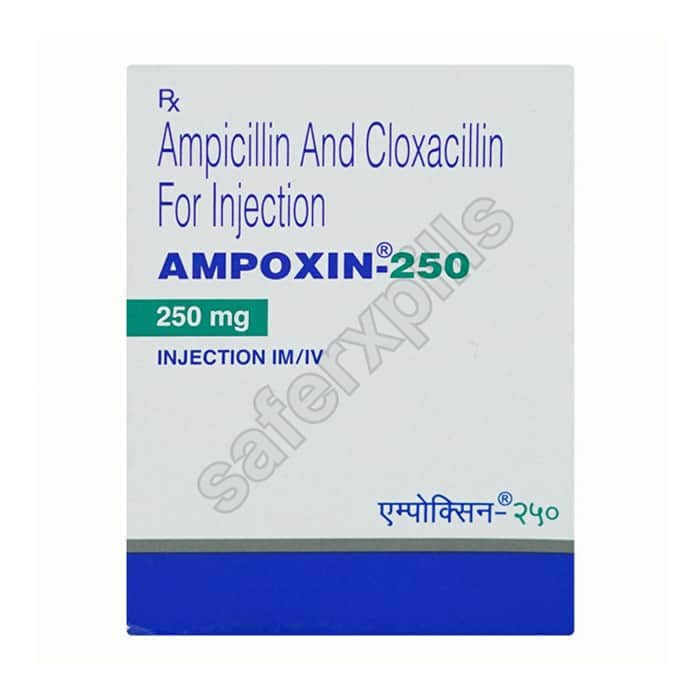
Other antibiotics we sell, each with its own page: Augmentin 625 (amoxicillin with clavulanic acid, a penicillin), Ampoxin 500mg (ampicillin with cloxacillin, penicillins) and Ciplox 500mg (ciprofloxacin, a fluoroquinolone). If you are allergic to penicillin, the first two are not for you.
Sources
- KEFLEX (cephalexin) capsules, US prescribing information, Pragma Pharmaceuticals, NDA 050405, supplement 111, revised 8/2026 (approval letter 3 August 2026): sections 1, 2.1 to 2.3, 3, 4, 5.1 to 5.6, 6.1, 7.1 to 7.3, 8.1, 8.2, 8.4 to 8.6, 10, 12.3, 12.4, 16, 17. FDA label PDF
- Drugs@FDA application NDA 050405 (Keflex capsules, marketing status), via openFDA, checked 27 October 2026. Drugs@FDA
- Cefalexin 500mg Capsules, UK summary of product characteristics, Flynn Pharma Ltd, PL 13621/0021, date of revision 2 June 2025: sections 4.1 to 4.9, 5.2, 6.4, 6.5. emc
- Keflex (cefalexin monohydrate) capsules and powder for oral liquid, Australian product information, Aspen Pharmacare Australia, date of revision 10 May 2024: sections 4.1 to 4.9, 5.2, 6.4, 6.5, 7. TGA
- Lupin-Cephalexin tablets, Canadian product monograph, Lupin Pharma Canada, date of revision 31 December 2024: Indications, Contraindications, Warnings, Dosage and Administration. Health Canada
- Health Canada Drug Product Database, cephalexin products (Teva-Cephalexin DIN 00342114; Keflex DINs 00244392 and 00403628 dormant), checked 27 October 2026. DPD
- PHEXIN oral formulations, prescribing information, GlaxoSmithKline Pharmaceuticals Ltd, India, version PHE/PI/IN/2025/01, date of revision 10 June 2025: sections 2, 4.1 to 4.9, 8.3, 8.4. GSK India
- NICE NG111, Pyelonephritis (acute): antimicrobial prescribing, 31 October 2018, Tables 1 and 2. NICE
- NICE NG109, Urinary tract infection (lower): antimicrobial prescribing, 31 October 2018, Table 2. NICE
- NICE NG112, Urinary tract infection (recurrent): antimicrobial prescribing, last updated 12 December 2024. NICE
- NHS, Cefalexin (about, how and when to take it, other medicines, common questions), last reviewed 5 April 2023. NHS
- NADAC (National Average Drug Acquisition Cost), Centers for Medicare and Medicaid Services, per-NDC rows for cephalexin 500 mg capsules and tablets, effective 21 October 2026, checked 27 October 2026. data.medicaid.gov
- Indian listings for Phexin 500 (maker, strip of 10, prescription status, storage), checked 27 October 2026: Tata 1mg, PharmEasy, Truemeds
- MHRA, warning on buying medicines online, 13 February 2026; FDA, personal importation policy.
Frequently asked questions
What is Phexin 500mg?
Phexin 500mg is GSK India's cephalexin 500 mg capsule. Cephalexin (cefalexin in the UK and Australia) is a first-generation cephalosporin antibiotic. The labels list respiratory tract, ear, skin, bone and urinary infections caused by susceptible bacteria, and the UK label adds dental infections. It does not treat viral infections such as colds or flu, and the US label says MRSA and most enterococci are resistant to it. Tata 1mg, PharmEasy and Truemeds list it as a strip of 10 capsules from GlaxoSmithKline Pharmaceuticals Ltd.
Is Phexin 500 the same as Keflex 500mg or US generic cephalexin 500mg?
It contains the same active ingredient at the same strength: cephalexin equivalent to 500 mg per capsule. It is made in India for the Indian market, with its own label, and it is not registered with the FDA, MHRA, TGA or Health Canada. We have not found a published study comparing Phexin with Keflex or with US generics. Drugs@FDA lists the Keflex capsules as discontinued, although their label was updated in August 2026; US generic cephalexin capsules are widely available.
How much does Phexin 500mg cost per capsule?
As of October 2026, $0.950 a capsule in the 30 pack ($28.50), $0.750 in the 60 pack ($45) and $0.736 in the 90 pack ($66.25), before shipping. Each pack is under $149, so it adds $25 shipping. A US pharmacy pays about $0.117 for a generic cephalexin 500 mg capsule (NADAC, effective 21 October 2026), so if you are in the US with a prescription, a local generic will almost certainly cost less. The pack selector shows the current price.
How do I take Phexin 500mg?
Take it exactly as prescribed. The US Keflex label gives adults 250 mg every 6 hours or 500 mg every 12 hours for 7 to 14 days, and up to 4 g a day for more severe infections; the UK and GSK India labels say most infections respond to 500 mg every 8 hours. Swallow each capsule whole with water. The US label says it can be taken with or without food. Space doses evenly, keep zinc supplements at least 3 hours away (NHS), and finish the course unless a doctor tells you to stop.
Should I choose Phexin 250mg or 500mg?
Your prescriber chooses the dose. The 500 mg capsule fits the 500 mg every 8 or 12 hours doses in the labels and the NICE urinary infection doses. The 250 mg strength fits the US 250 mg every 6 hours dose and the reduced doses for severe kidney impairment: below a creatinine clearance of 30 mL/min the US label uses 250 mg doses, so in our reading Phexin 500 is not suitable there. Do not open a 500 mg capsule to make a 250 mg dose. Phexin BD tablets are a different, long-acting product.
How many capsules does a course need, and why are your packs so large?
At 500 mg every 12 hours, a 7 to 14 day course (US label) is 14 to 28 capsules; at 500 mg every 8 hours it is 21 a week; NICE's 7 to 10 day pyelonephritis course at 500 mg two or three times a day is 14 to 30. This is our arithmetic. So our 30 pack covers most single courses, and the 60 and 90 packs hold more than a usual course needs. Please do not keep leftovers to treat yourself or anyone else later; a new infection needs a new diagnosis.
Can I take Phexin if I am allergic to penicillin?
Only if a doctor who knows about the reaction prescribes it. The US Keflex label says cross-hypersensitivity among beta-lactam antibiotics may occur in up to 10% of patients with a history of penicillin allergy. The UK and GSK India labels say to give it cautiously to penicillin-sensitive patients, citing partial cross-allergenicity, and note that patients have had severe reactions, including anaphylaxis, to both. The Australian Keflex label goes further: it is contraindicated in anyone who has had a major allergy to penicillin. Never take it if you are allergic to any cephalosporin.
What are the side effects of Phexin 500mg?
The US label says diarrhoea was the most frequent adverse reaction; nausea, vomiting, indigestion and stomach pain also occur, as do genital itching or thrush, dizziness, tiredness and headache. Serious reactions reported include allergic reactions and severe skin reactions, C. difficile diarrhoea (which has been reported more than two months after a course), haemolytic anaemia, liver inflammation, and seizures, particularly in kidney impairment when the dose was not reduced. Stop and get urgent help for swelling, trouble breathing, blistering skin or bloody diarrhoea.
Who should not take Phexin 500mg?
Anyone allergic to cephalexin, any other cephalosporin or any ingredient of the capsule; in the Australian label, anyone who has had a major penicillin allergy; and, per GSK India, anyone with a severe whole-body infection that needs injected antibiotics. The US label says probenecid with cephalexin is not recommended. Talk to a doctor first if you have kidney disease, epilepsy, past colitis, take metformin or warfarin, are pregnant or breastfeeding, or have reacted to food colourings (GSK India says the capsules may contain an azo dye).
Do I need a prescription for cephalexin 500mg?
Yes, in every country we ship to. Generic cephalexin is prescription only in the US, cefalexin is a prescription-only medicine in the UK (the NHS says it is only available on prescription), Keflex is Schedule 4 in Australia, and cephalexin is a prescription medicine in Canada. Tata 1mg and Truemeds mark Phexin 500 as prescription required in India. Phexin itself is not registered with the FDA, MHRA, TGA or Health Canada, and the FDA says personal importation of unapproved medicines is illegal in most circumstances.
How long does delivery take?
Standard delivery takes 7 to 14 business days to the US, UK, Australia and Canada, in plain packaging with tracking. Shipping is $25 on orders under $149 and free from $149. That is too slow for an infection you have now: if you have symptoms, see a doctor or pharmacist locally, where a generic cephalexin prescription can usually be filled the same day.
Medical References
Sources: U.S. National Library of Medicine (DailyMed, PubMed), openFDA
Related articles
Brand vs Generic Drug Prices: What US Pharmacies Pay for Viagra, Cialis, Latisse and More (NADAC, October 2026)
CMS NADAC data for the week of 28 October 2026 shows what US pharmacies pay for brand and generic versions of Viagra, Cialis, Propecia, Latisse, Lumigan and Stromectol. Generic ED and hair loss tablets cost under 2% of the brand price, while eye and lash generics cost 42% to 65%. Includes 2026 trends, supplier counts and the full method.
Read article
Buy Amaryl (Glimepiride) Online: Dosing, Hypoglycaemia Risk and What to Verify First
Amaryl is brand name glimepiride, a sulfonylurea that lowers blood sugar effectively and cheaply but carries real hypoglycaemia risk. Dosing, the CAROLINA trial evidence, interactions, and what to verify before ordering online.
Read article
Generic vs Branded Medicines: What You Really Need to Know
Many patients assume branded drugs are superior to generics. The truth, backed by decades of FDA research, is more nuanced.
Read articleCustomer Reviews
No reviews yet. Bought Phexin 500mg? Tell other buyers how it went.